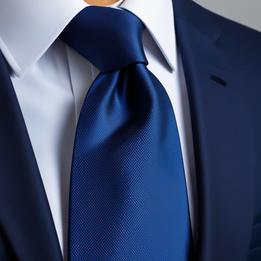
Silk Tie
The silk tie represents sophistication, professionalism, and the aspirations tied to social status and identity.
Silk Tie Dream Meaning
The silk tie represents sophistication, professionalism, and the aspirations tied to social status and identity.
Interpretive Themes
Status
highA silk tie often symbolizes prestige and belonging to a higher social class.
Professionalism
highWearing a silk tie implies readiness for business and social engagements.
Communication
mediumDifferent patterns and colors can express individuality and taste.
Tradition
mediumSilk ties often signify adherence to formal codes of dress.
Assertiveness
mediumA well-chosen silk tie can represent ambition and determination.
Mythological Resonance
The Toga Praetexta
RomanThe purple-bordered toga worn by magistrates and freeborn youth, symbolizing citizenship, status, and public duty.
The Girdle of Guinevere
ArthurianA token of love and fidelity that also became a symbol of courtly constraint and tragic betrayal.
Cultural Lenses
Modern Western Perspective
View Context →Worn traditionally for formal events and business meetings. Part of the dress code in many professions. [American] Associated with corporate America.
East Asian Perspective
View Context →Incorporated into formal business attire reflecting respect. Used in diplomacy and formal gatherings. [Eastern Asian Cultures] Highlights the importance of appearance in professional settings.
Middle Eastern Perspective
View Context →Worn during special occasions and gatherings. Represents prestige and social standing. [Islamic] Silk ties can convey elegance and opulence.
European Perspective
View Context →Traditionally part of formal wear in many cultures. Frequently associated with societal gatherings and politics. A key element of sartorial elegance.
Historical Authorities
Want a deeper analysis?
Get a personalized interpretation of your entire dream including this symbol.
Interpret My DreamThe Oracle's Prediction
Combine multiple symbolsYou will be offered a role requiring greater formal authority or public presentation.
Timeframe
Lunation (~29 Days)
Intensity
Deep
Risk of being judged solely by appearances in a critical situation.
Timeframe
Immediate (Next 48h)
Intensity
Deep
Common Appearances & Contexts
| Context | Emotion | Interpretation |
|---|---|---|
| Context Wearing a silk tie to a job interview | Emotion Nervous | Interpretation Indicates aspirations for success. |
| Context Seeing someone else's silk tie | Emotion Inspired | Interpretation Reflects admiration for professionalism. |
| Context Buying a luxurious silk tie | Emotion Proud | Interpretation Represents investment in self-image. |
| Context Losing a silk tie before an important event | Emotion Anxious | Interpretation Symbolizes fear of not meeting expectations. |
| Context Getting a compliment on a silk tie | Emotion Validated | Interpretation Indicates acceptance in professional circles. |
| Context Wearing a silk tie with casual attire | Emotion Rebellious | Interpretation Represents blending formal and casual personal styles. |
| Context Choosing a tie for a wedding | Emotion Excited | Interpretation Signifies important social commitments. |
| Context Fiddling with a silk tie during a speech | Emotion Nervous | Interpretation Represents anxiety in public performance. |
| Context Finding a vintage silk tie | Emotion Nostalgic | Interpretation Connection to past traditions of dress. |
| Context Wearing a family heirloom silk tie | Emotion Honored | Interpretation Emphasizes heritage and legacy. |
| Context Gift-giving a silk tie | Emotion Generous | Interpretation Displays thoughtfulness and connection with the recipient. |
| Context Dressing down a silk tie | Emotion Defiant | Interpretation Indicates dissatisfaction with formalities. |
| Context Undoing a silk tie at the end of a long day | Emotion Relieved | Interpretation Signifies a release from stress. |
| Context Seeing a variety of silk ties displayed at a store | Emotion Curious | Interpretation Exploration of identity through choices in grooming. |
| Context Watching a character in a film adjusting a silk tie | Emotion Inspired | Interpretation Reflects societal views on success. |
Interpret Your Full Dream
Beyond this symbol, every dream carries a unique story. Share your dream for a personalized AI-powered interpretation.