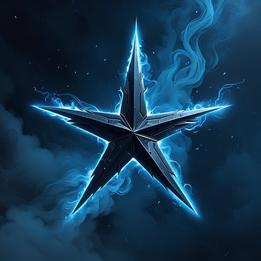
Shuriken
A concealed throwing weapon associated with stealth, precision, and sudden attack. Often symbolizes hidden threats or sharp, focused intentions.
Shuriken Dream Meaning
A concealed throwing weapon associated with stealth, precision, and sudden attack. Often symbolizes hidden threats or sharp, focused intentions.
Interpretive Themes
Cultural Lenses
Jungian Perspective
View Context →May represent a sharp, penetrating aspect of the Shadow—aggressive instincts or a pointed anima/animus. Could symbolize a weaponized thought-form from the collective unconscious, used for psychic defense or attack.
Freudian Perspective
View Context →Likely a phallic symbol representing aggressive, penetrating male sexuality. Its throwing action could symbolize ejaculation or the projection of aggressive desires, possibly with latent castration anxiety.
Gestalt Perspective
View Context →Ask: 'What part of me is the shuriken?' It may represent a sharp, hidden part of the self used to 'cut through' situations or people—a projected aspect of one's own aggression or precision.
Cognitive Perspective
View Context →May symbolize a 'sharp' or sudden intrusive thought, a cognitive 'weapon' used in mental problem-solving (e.g., a cutting insight), or represent schemas related to threat perception and preparedness.
Evolutionary Perspective
View Context →Taps into ancient predator-prey dynamics and tool use. Symbolizes a projectile threat, activating evolved fear responses to sudden attack and the cognitive advantages of concealed weaponry for survival.
East Asian Perspective
View Context →Historically a ninja tool (shinobi) for distraction, escape, or attack, symbolizing cunning, adaptability, and indirect conflict. In modern Japan, it's a pop culture icon of stealth and martial prowess, but also a restricted weapon.
Modern Western Perspective
View Context →Primarily a cinematic and gaming trope denoting a ninja, assassin, or martial artist. Represents exoticized skill, cool lethality, and often a morally ambiguous tool for protagonists or villains in action narratives.
Global/Universal Perspective
View Context →A universal symbol for a small, concealed, thrown weapon. Cross-culturally, it resonates with themes of surprise attack, personal defense with a handheld tool, and the danger of small, sharp objects.
European Perspective
View Context →Historically analogous to thrown knives or caltrops. In a European context, it might be interpreted through chivalric or rogue archetypes—a dishonorable or pragmatic weapon, contrasting with open combat.
North American Perspective
View Context →In contemporary culture, heavily influenced by Japanese media imports. Symbolizes specialized martial arts training, comic book/video game heroism/villainy, and can be a collector's item representing fandom or interest in weaponry.
South Asian Perspective
View Context →May be loosely associated with the chakram (throwing ring) or other thrown blades in regional martial histories. Could connect to concepts of dharma (duty) in conflict—using a tool skillfully versus dishonorably.
Middle Eastern Perspective
View Context →Could be interpreted through the lens of historical thrown weapons like the jarid or certain daggers. Might symbolize a swift, decisive strike in conflict, or a tool of treachery or assassination in folklore.
Want a deeper analysis?
Get a personalized interpretation of your entire dream including this symbol.
Interpret My DreamCommon Appearances & Contexts
| Context | Emotion | Interpretation |
|---|---|---|
| Context Being thrown at | Emotion Fear | Interpretation Feeling targeted or attacked. |
| Context Throwing one | Emotion Determination | Interpretation Taking decisive, aggressive action. |
| Context Finding one hidden | Emotion Suspicion | Interpretation Uncovering a hidden danger. |
| Context Missing a throw | Emotion Frustration | Interpretation Failed precision or effort. |
| Context Collecting many | Emotion Preparation | Interpretation Gathering resources or defenses. |
| Context It is blunt | Emotion Relief | Interpretation A threat is diminished. |
| Context It is glowing | Emotion Awe | Interpretation Danger has mystical significance. |
| Context Giving one away | Emotion Trust | Interpretation Sharing a tool or power. |
| Context It shatters | Emotion Shock | Interpretation A tool or plan fails. |
| Context Polishing one | Emotion Focus | Interpretation Honing a skill or intent. |
| Context Carrying secretly | Emotion Secrecy | Interpretation Hiding capabilities or intentions. |
| Context It is oversized | Emotion Intimidation | Interpretation A threat feels magnified. |
Interpret Your Full Dream
Beyond this symbol, every dream carries a unique story. Share your dream for a personalized AI-powered interpretation.