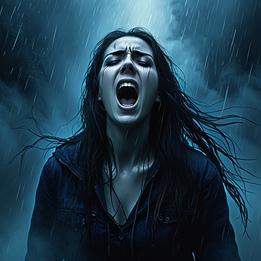
Scream
A primal vocal expression of intense emotion, often representing unprocessed trauma, existential dread, or a desperate need for release.
Scream Dream Meaning
A primal vocal expression of intense emotion, often representing unprocessed trauma, existential dread, or a desperate need for release.
Interpretive Themes
Suppressed Emotion
highOften indicates ignored inner turmoil.
Existential Dread
mediumConnected to feelings of cosmic insignificance.
Warning Signal
highCan signal internal or external threat.
Cathartic Release
mediumMay precede healing or transformation.
Loss of Control
mediumSuggests a breakdown of rational containment.
Cultural Lenses
Jungian Perspective
View Context →The scream represents the eruption of contents from the collective unconscious or shadow. It is a symbolic expression of archetypal terror (e.g., the 'Magna Mater' or devouring mother) or the psyche's attempt to integrate overwhelming, non-egoic material.
Freudian Perspective
View Context →A scream is a discharge of repressed libidinal or aggressive energy. It may symbolize a failure of repression, often linked to childhood trauma, castration anxiety, or the return of a repressed wish in a distorted, alarming form.
Gestalt Perspective
View Context →The scream is an unfinished gestalt—an unmet need or unexpressed emotion demanding completion. The dreamer is asked to become the scream, exploring what part of themselves feels this intense urge for vocal expression and release.
Cognitive Perspective
View Context →The brain processes intense fear or stress during sleep, constructing a scream narrative. This may reflect cognitive rehearsal for threat scenarios, memory consolidation of frightening events, or the mind's attempt to make sense of somatic anxiety signals.
Evolutionary Perspective
View Context →A primal alarm signal hardwired for survival. The dream scream activates ancient neural pathways for warning kin of danger, signaling submission to a threat, or practicing distress vocalizations crucial for social bonding and group protection.
Modern Western Perspective
View Context →Often pathologized as a sign of mental distress (e.g., PTSD, panic attacks) but also celebrated in therapeutic contexts (primal scream therapy) and countercultural art/music as a raw, authentic rebellion against societal repression and conformity.
East Asian Perspective
View Context →In some traditions, a silent internal scream may relate to 'ki' or 'qi' blockage causing emotional/physical disharmony. Historically, ritualized screams were used in certain Shinto practices to purify spaces or in Noh theater to express profound spiritual anguish.
European Perspective
View Context →Deeply tied to Gothic and Romantic art (e.g., Munch's 'The Scream') as a symbol of modern alienation and existential anxiety. In folklore, a banshee's scream foretold death, linking the sound to liminal spaces between worlds and ancestral communication.
African Perspective
View Context →In many traditions, vocalizations like screams are integral to ritual, marking spirit possession, trance states, or communication with ancestors. It can be a powerful sound to ward off evil spirits or to express communal grief during mourning ceremonies.
Middle Eastern Perspective
View Context →Connected to concepts of 'zaar' or exorcism rituals, where screaming releases possessing spirits. In Sufi poetry, the silent scream of the soul separated from the Divine is a metaphor for intense longing (ishq) and spiritual yearning.
Latin American Perspective
View Context →Evident in 'grito' traditions—a celebratory or rebellious shout. In contexts like 'La Llorona' folklore, the scream symbolizes eternal grief and warning. Used in modern protest movements as a collective voice against oppression and for liberation.
Global/Universal Perspective
View Context →A cross-cultural, biologically rooted expression of extreme emotion—fear, pain, rage, or ecstasy. Serves fundamental social functions: signaling distress to summon aid, establishing territorial or personal boundaries, and facilitating emotional contagion within groups.
Want a deeper analysis?
Get a personalized interpretation of your entire dream including this symbol.
Interpret My DreamCommon Appearances & Contexts
| Context | Emotion | Interpretation |
|---|---|---|
| Context Silent scream | Emotion Frustration | Interpretation Voicelessness or inability to communicate. |
| Context Screaming at someone | Emotion Rage | Interpretation Unresolved conflict or boundary violation. |
| Context Being screamed at | Emotion Fear | Interpretation Feeling attacked or criticized. |
| Context Scream into void | Emotion Despair | Interpretation Existential loneliness or futility. |
| Context Scream of joy | Emotion Ecstasy | Interpretation Overwhelming positive release. |
| Context Muffled scream | Emotion Panic | Interpretation Feeling trapped or silenced. |
| Context Primal scream | Emotion Anguish | Interpretation Raw, pre-verbal emotional pain. |
| Context Scream in crowd | Emotion Alienation | Interpretation Unheard despite being surrounded. |
| Context Scream transforms | Emotion Awe | Interpretation Emotional energy becoming something new. |
| Context Echoing scream | Emotion Anxiety | Interpretation Past trauma resurfacing. |
| Context Scream awakens you | Emotion Shock | Interpretation Sudden confrontation with repressed material. |
| Context Scream as music | Emotion Liberation | Interpretation Channeling pain into creative expression. |
Interpret Your Full Dream
Beyond this symbol, every dream carries a unique story. Share your dream for a personalized AI-powered interpretation.