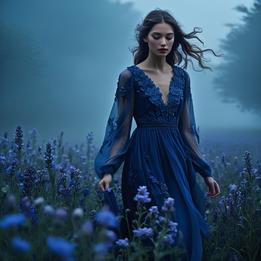
Scented Flower
Scented flowers symbolize beauty, sensuality, and the transient nature of life.
Scented Flower Dream Meaning
Scented flowers symbolize beauty, sensuality, and the transient nature of life.
Interpretive Themes
Cyclical Nature
highScented flowers evoke feelings of attraction, intimacy, and connection.
Impermanence
highScented flowers remind us of the fleeting nature of life and relationships.
Healing
mediumMany cultures use flowers for their calming and therapeutic properties.
Cultural Symbolism
mediumFor example, roses symbolize love, while lotuses symbolize purity in Eastern traditions.
Connection to Nature
highScented flowers often serve as a reminder for mindfulness and appreciation of nature.
Mythological Resonance
Persephone
GreekThe narcissus flower that lured Persephone to the underworld, representing beauty's dangerous allure and life's cyclical nature.
Peony
ChineseThe flower of wealth and honor, associated with feminine beauty and romance in Chinese mythology and art.
Cultural Lenses
African Perspective
View Context →Flowers are often used in rituals and ceremonies to signify unity and beauty. Used in weddings and celebrations to symbolize love and connection. Flowers often hold spiritual meaning and are used to honor ancestors.
East Asian Perspective
View Context →Flowers are offered in rituals to deities, symbolizing purity and devotion. Commonly used in festivals and religious ceremonies. [South Asian] [Hindu] Different flowers have specific meanings depending on the context.
East Asian Perspective
View Context →Sakura (cherry blossoms) symbolize the transient nature of life. Significant during Hanami (cherry blossom viewing) festivals. [Japanese] The fleeting beauty of sakura flowers is a metaphor for human existence.
European Perspective
View Context →Flowers are associated with various myths and legends, representing life cycles. Used in spring festivals to celebrate renewal. [Celtic] Each flower may symbolize different virtues and values in Celtic tales.
European Perspective
View Context →Flowers like the lily symbolize purity and fertility in ancient mythology. Commonly found in rites of passage and celebrations. [Greek] Greek mythology often weaves the significance of flowers into stories of gods and humans.
Historical Authorities
Want a deeper analysis?
Get a personalized interpretation of your entire dream including this symbol.
Interpret My DreamThe Oracle's Prediction
Combine multiple symbolsA new romantic connection or deepening of existing intimacy.
Timeframe
Seasonal (~3 Months)
Intensity
Deep
A moment of profound beauty that reveals life's deeper meaning.
Timeframe
Immediate (Next 48h)
Intensity
Deep
Common Appearances & Contexts
| Context | Emotion | Interpretation |
|---|---|---|
| Context Walking through a garden filled with blooming flowers | Emotion Contentment | Interpretation This indicates a period of personal growth and fulfillment. |
| Context Receiving a bouquet of fragrant flowers | Emotion Joy | Interpretation Represents feelings of love, appreciation, and gratitude toward relationships. |
| Context Noticing a wilting scented flower | Emotion Sadness | Interpretation May symbolize the loss of beauty or a relationship coming to an end. |
| Context Choosing a flower to give to someone | Emotion Nostalgia | Interpretation Reflects personal connections and the importance of gestures in relationships. |
| Context Exploring a field of various scented flowers | Emotion Curiosity | Interpretation Represents exploration of emotions or new experiences. |
| Context Smelling a flower and feeling overwhelmed by emotions | Emotion Overwhelmed | Interpretation Suggests repressed feelings that need to be acknowledged. |
| Context Seeing flowers bloom in an unusual season | Emotion Surprise | Interpretation Indicates unexpected changes or new beginnings in life. |
| Context Dancing among a field of flowers | Emotion Ecstasy | Interpretation Symbolizes freedom, joy, and celebrating life. |
| Context A flower petal falling to the ground | Emotion Melancholy | Interpretation May represent loss or letting go of something cherished. |
| Context Creating a bouquet from wildflowers | Emotion Creative | Interpretation Highlights personal expression and the beauty found in imperfection. |
Interpret Your Full Dream
Beyond this symbol, every dream carries a unique story. Share your dream for a personalized AI-powered interpretation.