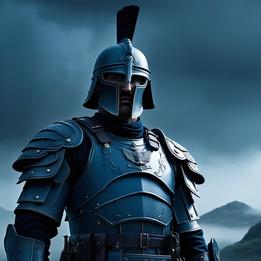
Roman Legionnaire
The Roman legionnaire symbolizes discipline, strength, and the collective power of an organized military force.
Roman Legionnaire Dream Meaning
The Roman legionnaire symbolizes discipline, strength, and the collective power of an organized military force.
Interpretive Themes
Cosmic Order
highLegionnaires were known for their strict adherence to orders and regulations.
Camaraderie
mediumShared hardships often lead to strong emotional ties.
Courage
highFacing the chaos of battle requires immense bravery.
Growth
mediumReflects desires for personal achievement or broader ambitions.
Cultural Heritage
highRoman principles influence many modern societies and governance.
Mythological Resonance
Mars
RomanGod of war, representing not just blind aggression but also the disciplined, strategic, and civic aspect of martial power necessary for the state's survival.
The Spartans at Thermopylae
GreekThe ultimate symbol of disciplined military sacrifice and holding the line against overwhelming odds for a greater ideal.
Cultural Lenses
European Perspective
View Context →Legionnaires were central to the Roman military system, showcasing Rome's power. Celebrations often honored victorious legions, reflecting the glory of military achievements. [Roman] The legacy of the legionnaire encourages bravery in modern interpretations.
Modern Western Perspective
View Context →The concepts of discipline and unity from Roman legions have influenced modern military training. Military parades often mirror the organized displays of Roman legions. [American] Patriotism often draws parallels to the honor of the ancient soldier.
European Perspective
View Context →Contrast between Celtic warriors and Roman legionnaires highlights differing cultural ideals of warfare. Celtic mythology often depicts legendary battles against invading forces, representing resilience. [Celtic] The Roman presence in Celtic lands gave rise to tales of valor and defiance.
Historical Authorities
Want a deeper analysis?
Get a personalized interpretation of your entire dream including this symbol.
Interpret My DreamThe Oracle's Prediction
Combine multiple symbolsYou will be tested or called to demonstrate significant discipline and resilience, leading to a consolidation of your authority or position.
Timeframe
Lunation (~29 Days)
Intensity
Deep
Common Appearances & Contexts
| Context | Emotion | Interpretation |
|---|---|---|
| Context Marching with a legion | Emotion Empowered | Interpretation Feeling part of something larger can evoke feelings of strength and belonging. |
| Context In battle against overwhelming odds | Emotion Fear | Interpretation Confronting insurmountable challenges while feeling isolated. |
| Context Receiving accolades for valor | Emotion Pride | Interpretation Recognition fosters a strong sense of accomplishment. |
| Context Witnessing the fall of a legion | Emotion Despair | Interpretation Embodies feelings of loss and the fragility of strength. |
| Context Planning a strategic military maneuver | Emotion Anxiety | Interpretation The pressure to succeed can be overwhelming when strategies are at stake. |
| Context Exploring Roman ruins | Emotion Nostalgia | Interpretation Connection with the past evokes deep reflections on history and legacy. |
| Context Fighting alongside comrades | Emotion Camaraderie | Interpretation The bond formed in unity can invoke a sense of family. |
| Context Training as a recruit | Emotion Intimidation | Interpretation New experiences can be daunting, especially under stringent training. |
| Context Standing guard at a provincial outpost | Emotion Vigilance | Interpretation A sense of duty can lead to heightened awareness and focus. |
| Context Encounters with enemy forces | Emotion Terror | Interpretation Experiencing the fear of confrontation can lead to deeper self-exploration. |
Interpret Your Full Dream
Beyond this symbol, every dream carries a unique story. Share your dream for a personalized AI-powered interpretation.