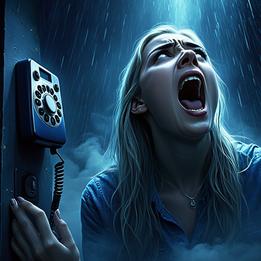
Piercing Shriek
A sudden, high-pitched scream representing extreme emotional release, primal fear, or a desperate warning signal.
Piercing Shriek Dream Meaning
A sudden, high-pitched scream representing extreme emotional release, primal fear, or a desperate warning signal.
Interpretive Themes
Mythological Resonance
The Furies (Erinyes)
GreekAncient goddesses of vengeance who pursued those who shed kindred blood, their shrieks driving transgressors to madness, representing the inescapable cry of violated conscience and primal justice.
The Banshee
CelticA female spirit whose piercing wail, heard in the night, foretells an imminent death in the family, embodying the raw, prophetic sound of grief and fate.
Cultural Lenses
Jungian Perspective
View Context →Shadow material erupting from collective unconscious; warning of psychic danger or call to integrate repressed aspects. Represents anima/animus in distress.
Freudian Perspective
View Context →Repressed sexual trauma or childhood fear resurfacing; oral fixation manifesting as vocal release. Symbolizes superego conflict with id impulses.
Gestalt Perspective
View Context →Unexpressed part of self demanding attention; projection of inner conflict needing integration. The shriek represents what you refuse to say awake.
Cognitive Perspective
View Context →Brain processing threat signals during REM sleep; memory consolidation of frightening experiences. Neural alarm system misfiring or rehearsing responses.
Evolutionary Perspective
View Context →Ancient warning cry hardwired for survival; group alert system against predators. Vestigial response to perceived threats in safe environments.
Global/Universal Perspective
View Context →Cross-cultural alarm signal recognized worldwide; primal communication preceding language. Universal response to extreme danger or sudden pain.
East Asian Perspective
View Context →In Chinese tradition, may indicate disturbed ancestral spirits or qi imbalance. In Japan, associated with yūrei (ghosts) warnings or kitsune transformations.
South Asian Perspective
View Context →In Hindu dream interpretation, could be apsara warning or rakshasa presence. In Ayurveda, indicates vata dosha imbalance affecting nervous system.
Middle Eastern Perspective
View Context →In Islamic dream interpretation, may represent jinn disturbance or divine warning. In Persian tradition, associated with Simurgh's cry heralding transformation.
European Perspective
View Context →Celtic banshee omen of death; Norse valkyrie call to battle. Medieval Christian interpretation as demonic temptation or saintly warning.
African Perspective
View Context →In many traditions, ancestral spirits communicating danger; in West Africa, associated with Mami Wata's warnings or orisha messages.
Modern Western Perspective
View Context →Trauma response in PTSD dreams; digital age anxiety about notifications. Often interpreted as need for therapeutic emotional release.
Historical Authorities
Want a deeper analysis?
Get a personalized interpretation of your entire dream including this symbol.
Interpret My DreamThe Oracle's Prediction
Combine multiple symbolsA situation you have been ignoring or minimizing will erupt, demanding your full and immediate attention.
Timeframe
Immediate (Next 48h)
Intensity
Deep
Common Appearances & Contexts
| Context | Emotion | Interpretation |
|---|---|---|
| Context Being chased | Emotion Terror | Interpretation Primal survival instinct |
| Context Witnessing accident | Emotion Horror | Interpretation Shock response |
| Context Alone in darkness | Emotion Panic | Interpretation Existential fear |
| Context Seeing loved one | Emotion Desperation | Interpretation Warning cry |
| Context Falling endlessly | Emotion Dread | Interpretation Loss of control |
| Context Mirror reflection | Emotion Shock | Interpretation Self-confrontation |
| Context Silent crowd | Emotion Isolation | Interpretation Unheard voice |
| Context Child screaming | Emotion Protectiveness | Interpretation Parental instinct |
| Context Animal attack | Emotion Fear | Interpretation Primitive defense |
| Context Phone ringing | Emotion Anxiety | Interpretation Bad news anticipation |
| Context Door opening | Emotion Apprehension | Interpretation Boundary breach |
| Context Water rising | Emotion Despair | Interpretation Overwhelming emotion |
Interpret Your Full Dream
Beyond this symbol, every dream carries a unique story. Share your dream for a personalized AI-powered interpretation.