Pajamas
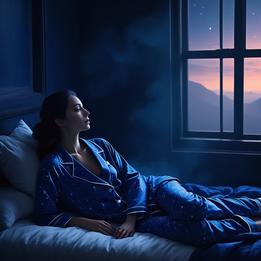
Pajamas often symbolize comfort, rest, and a retreat from the external world, suggesting a time for introspection and personal care.
Pajamas Dream Meaning
Pajamas often symbolize comfort, rest, and a retreat from the external world, suggesting a time for introspection and personal care.
Interpretive Themes
Comfort
highPajamas evoke feelings of being at home and safe.
Identity
mediumWearing pajamas can indicate vulnerability and authenticity.
Relaxation
highPajamas represent a break from societal expectations.
Dreams
highSleeping in pajamas underscores the relationship with dreams.
Childhood
mediumPajamas can evoke memories of safety and family.
Mythological Resonance
Hypnos
GreekThe personification of sleep, Hypnos dwells in a dark, quiet cave, bringing forgetfulness and rest to gods and mortals alike, representing the essential, restorative retreat from waking consciousness.
The Solve Stage
AlchemicalThe first stage of the alchemical process, 'solve' (to dissolve), where solid matter is broken down into its primal, fluid state, mirroring the dissolution of the waking ego in sleep to allow for psychic recombination.
Cultural Lenses
Modern Western Perspective
View Context →Pajamas were popularized in the early 20th century as Western nightwear. Often worn during family activities like movie nights. [American] Symbolizes modern relaxation in American culture.
East Asian Perspective
View Context →Variants like kimono-style sleepwear emphasize comfort and beauty. Used during traditional family gatherings. [Asian Cultures] Emphasizes cultural aesthetics in sleepwear.
European Perspective
View Context →Sleepwear varies greatly across regions, emphasizing local customs. Encouragement of family bonding during nighttime rituals. Varies from region to region with deep cultural significance.
Historical Authorities
Want a deeper analysis?
Get a personalized interpretation of your entire dream including this symbol.
Interpret My DreamThe Oracle's Prediction
Combine multiple symbolsA period of potent dream activity offering guidance or revealing hidden emotions.
Timeframe
Immediate (Next 48h)
Intensity
Deep
An opportunity for deep physical and emotional restoration.
Timeframe
Lunation (~29 Days)
Intensity
Deep
Common Appearances & Contexts
| Context | Emotion | Interpretation |
|---|---|---|
| Context Waking up in an unfamiliar place wearing pajamas | Emotion Confused | Interpretation Indicates feelings of vulnerability and questioning one's direction in life. |
| Context Wearing pajamas at a formal event | Emotion Embarrassed | Interpretation May signify fears of inadequacy or being out of place. |
| Context Changing into comfortable pajamas | Emotion Relieved | Interpretation Represents a transition to a more relaxed phase of life. |
| Context Children playing in pajamas | Emotion Joyful | Interpretation Suggests a return to innocence and carefree nature. |
| Context Seeing someone in pajamas in inappropriate settings | Emotion Surprised | Interpretation Reflects societal expectations breaking down. |
| Context Sharing pajamas with someone special | Emotion Connected | Interpretation Indicates intimacy and comfort in relationships. |
| Context Buying new pajamas | Emotion Excited | Interpretation Suggests personal growth and self-care. |
| Context Wearing mismatched pajamas | Emotion Creative | Interpretation Expresses individuality and the acceptance of imperfections. |
| Context Pajamas catching fire | Emotion Anxious | Interpretation Represents fears about security and protection. |
| Context Feeling heavy in pajamas | Emotion Burdened | Interpretation Represents emotional weight and resistance to change. |
| Context Having a sleepover in pajamas | Emotion Playful | Interpretation Symbolizes friendship and communal experiences. |
| Context Choosing pajamas for a vacation | Emotion Excited | Interpretation Reflects anticipation for relaxation and escape. |
| Context Waking up in pajamas after a long sleep | Emotion Rested | Interpretation Suggests rejuvenation and reflection. |
| Context Finding a lost pair of pajamas | Emotion Nostalgic | Interpretation May indicate a desire to reconnect with childhood or simpler times. |
| Context A stack of pajamas representing different stages of life | Emotion Reflective | Interpretation Demonstrates personal growth or change over time. |
Interpret Your Full Dream
Beyond this symbol, every dream carries a unique story. Share your dream for a personalized AI-powered interpretation.