Overtone
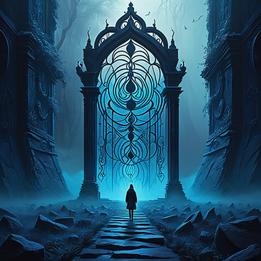
A harmonic frequency above a fundamental pitch, representing subtle layers of meaning, hidden dimensions, or the interplay between surface and depth in perception.
Overtone Dream Meaning
A harmonic frequency above a fundamental pitch, representing subtle layers of meaning, hidden dimensions, or the interplay between surface and depth in perception.
Interpretive Themes
Mythological Resonance
Orpheus
GreekWhose lyre could charm all of nature through harmonics that revealed the hidden music of creation.
Nada Brahma
HinduThe concept that the universe is sound vibration, with overtones representing the subtle layers of divine manifestation.
Cultural Lenses
Jungian Perspective
View Context →Represents the collective unconscious's harmonic patterns—archetypal frequencies resonating beyond individual psyche, connecting to universal symbols and synchronicities as expressions of deeper psychic unity.
Freudian Perspective
View Context →Symbolizes latent content beneath manifest dream thoughts—repressed desires or childhood memories vibrating as subtle psychic frequencies, often related to auditory or sensory sublimation of unconscious conflicts.
Gestalt Perspective
View Context →The figure-ground relationship in perception—the overtone as the subtle background shaping the whole experience, emphasizing how unnoticed elements complete the holistic field of awareness.
Cognitive Perspective
View Context →Mental schemas processing subtle sensory data—brain interpreting harmonic frequencies as patterns, linked to memory consolidation or problem-solving where background information influences conscious thought.
Evolutionary Perspective
View Context →Adaptive advantage in detecting subtle environmental sounds—overtones as survival cues for predator/prey or social bonding through musical harmony, enhancing group cohesion and communication.
East Asian Perspective
View Context →In Taoist and Buddhist traditions, overtones reflect the subtle energy (qi or prana) and cosmic harmony (yin-yang balance), used in meditation bells and temple music to align with universal vibrations.
South Asian Perspective
View Context →Linked to nada yoga and Vedic chant—overtones as spiritual frequencies (nada brahman) that purify consciousness, with ragas using harmonics to evoke specific emotions and divine connection.
Middle Eastern Perspective
View Context →In Sufi mysticism, overtones symbolize the hidden divine presence (batin) behind apparent reality, with whirling dervishes and qawwali music using harmonics to induce ecstatic trance states.
European Perspective
View Context →Historically tied to Gregorian chant and cathedral acoustics—overtones as divine resonance, later explored in Renaissance polyphony and Romantic era as emotional depth in classical music.
African Perspective
View Context →In many traditions, overtones are integral to drumming, thumb pianos, and vocal harmonics—used in rituals to communicate with ancestors, mark community events, and maintain cosmic balance.
North American Perspective
View Context →Indigenous cultures use overtone singing in healing ceremonies and nature connection, while modern contexts include sound therapy and ambient music for stress reduction and mindfulness practices.
Latin American Perspective
View Context →In Andean and Amazonian traditions, overtones in panpipes and shamanic icaros connect to Pachamama (Earth Mother), with modern use in folk music expressing cultural resilience and spiritual syncretism.
Historical Authorities
Want a deeper analysis?
Get a personalized interpretation of your entire dream including this symbol.
Interpret My DreamThe Oracle's Prediction
Combine multiple symbolsA hidden truth will be revealed through subtle observation.
Timeframe
Lunation (~29 Days)
Intensity
Deep
Common Appearances & Contexts
| Context | Emotion | Interpretation |
|---|---|---|
| Context Singing alone | Emotion Joy | Interpretation Inner harmony expressed. |
| Context Hearing bells | Emotion Peace | Interpretation Spiritual resonance present. |
| Context Broken instrument | Emotion Anxiety | Interpretation Disharmony in life. |
| Context Choir singing | Emotion Unity | Interpretation Collective harmony achieved. |
| Context Silent vibration | Emotion Awe | Interpretation Unseen forces active. |
| Context Tuning fork | Emotion Focus | Interpretation Seeking alignment or truth. |
| Context Echo in cave | Emotion Mystery | Interpretation Hidden depths revealed. |
| Context Out-of-tune | Emotion Frustration | Interpretation Life misalignment felt. |
| Context Perfect chord | Emotion Bliss | Interpretation Harmonic balance achieved. |
| Context Whispering voices | Emotion Curiosity | Interpretation Subtle messages incoming. |
| Context Glass shattering | Emotion Shock | Interpretation Harmony violently broken. |
| Context Humming vibration | Emotion Calm | Interpretation Internal resonance steady. |
Interpret Your Full Dream
Beyond this symbol, every dream carries a unique story. Share your dream for a personalized AI-powered interpretation.