Nook
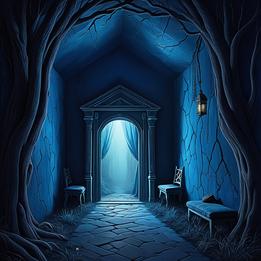
A small, secluded corner or recess in architecture, representing intimate space, hidden aspects of self, and personal retreat from the world.
Nook Dream Meaning
A small, secluded corner or recess in architecture, representing intimate space, hidden aspects of self, and personal retreat from the world.
Interpretive Themes
Cultural Lenses
Jungian Perspective
View Context →Represents the personal unconscious—a hidden space where shadow aspects, memories, and archetypes reside. The nook symbolizes the need to explore and integrate these concealed parts of self for individuation.
Freudian Perspective
View Context →Symbolizes the womb or maternal protection, representing regression to childhood security. May indicate sexual symbolism as a sheltered, intimate space connected to early developmental stages and hidden desires.
Gestalt Perspective
View Context →Represents parts of self that feel incomplete or hidden. The nook is an aspect of personality needing integration—what feels secluded in the dreamer's awareness that requires acknowledgment and wholeness.
Cognitive Perspective
View Context →Reflects mental schemas for privacy and security processing. The nook represents cognitive frameworks for managing personal space, memory storage, and emotional regulation through environmental metaphors.
Evolutionary Perspective
View Context →Rooted in ancestral need for sheltered spaces for safety and rest. The nook represents adaptive behaviors for finding protected environments, crucial for survival, reproduction, and social bonding throughout human evolution.
East Asian Perspective
View Context →In traditional Chinese and Japanese architecture, tokonoma alcoves hold sacred scrolls and art, representing spiritual focus. Modern interpretations see nooks as spaces for meditation, study, and harmony with nature.
European Perspective
View Context →Medieval inglenooks by fireplaces were family gathering spaces. Victorian era created cozy corners for reading and conversation, representing domestic comfort, privacy, and class-based leisure activities.
Middle Eastern Perspective
View Context →Mashrabiya window seats and courtyard niches provide private viewing spaces while maintaining modesty. Represents the balance between community observation and personal seclusion in Islamic architecture and social norms.
African Perspective
View Context →Compound architecture creates intimate spaces within communal living. Nooks represent ancestral connection points, storage for ritual objects, and spaces for storytelling that preserve oral traditions and community wisdom.
Modern Western Perspective
View Context →Hygge-inspired cozy corners and home office nooks represent self-care culture. Digital nooks in social media profiles symbolize curated personal identities and the need for controlled self-presentation in connected societies.
Latin American Perspective
View Context →Patio rincones and altar niches blend indigenous, African, and Catholic traditions. These spaces hold religious icons, family photos, and offerings, representing spiritual protection, ancestral memory, and domestic sacredness.
Global/Universal Perspective
View Context →Cross-culturally, nooks represent the human need for personal space within communal structures. From cave shelters to modern reading corners, they symbolize safety, introspection, and the balance between social connection and individual privacy.
Want a deeper analysis?
Get a personalized interpretation of your entire dream including this symbol.
Interpret My DreamCommon Appearances & Contexts
| Context | Emotion | Interpretation |
|---|---|---|
| Context Finding hidden nook | Emotion Curious | Interpretation Discovering inner resources. |
| Context Being trapped in | Emotion Anxious | Interpretation Feeling restricted. |
| Context Creating cozy nook | Emotion Content | Interpretation Building personal space. |
| Context Sharing nook | Emotion Intimate | Interpretation Vulnerability with others. |
| Context Abandoned nook | Emotion Melancholy | Interpretation Lost connections. |
| Context Secret nook | Emotion Guilty | Interpretation Hidden activities. |
| Context Childhood nook | Emotion Nostalgic | Interpretation Return to innocence. |
| Context Work nook | Emotion Focused | Interpretation Productive isolation. |
| Context Dangerous nook | Emotion Fearful | Interpretation Hidden threats. |
| Context Expanding nook | Emotion Hopeful | Interpretation Growing personal space. |
| Context Sacred nook | Emotion Reverent | Interpretation Spiritual retreat. |
| Context Crowded nook | Emotion Claustrophobic | Interpretation Invaded privacy. |
Interpret Your Full Dream
Beyond this symbol, every dream carries a unique story. Share your dream for a personalized AI-powered interpretation.