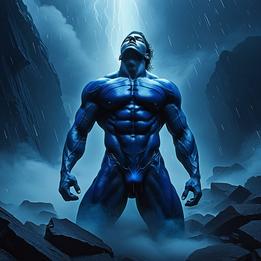
Muscle
Represents personal strength, effort, and vitality. Often symbolizes willpower, resilience, or areas of tension in one's life.
Muscle Dream Meaning
Represents personal strength, effort, and vitality. Often symbolizes willpower, resilience, or areas of tension in one's life.
Interpretive Themes
Cultural Lenses
Jungian Perspective
View Context →Represents the animus or masculine energy within the psyche. Muscles symbolize the will to action and the capacity for transformation through conscious effort and discipline.
Freudian Perspective
View Context →Often represents phallic energy and libido. Muscle tension may symbolize repressed sexual desires or aggression seeking expression through physical metaphors.
Gestalt Perspective
View Context →The muscle represents an aspect of self that needs attention. Each muscle part symbolizes different life roles - what is this tension trying to communicate about current experience?
Cognitive Perspective
View Context →Muscles in dreams reflect waking concerns about capability and performance. They represent schemas related to strength, competence, and bodily awareness during problem-solving.
Evolutionary Perspective
View Context →Rooted in survival mechanisms - muscles represent physical fitness for hunting, defense, and mate selection. Modern dreams translate this to social and professional competitiveness.
Global/Universal Perspective
View Context →Across cultures, muscles universally symbolize strength, vitality, and life force. They represent the bridge between intention and action in human experience.
East Asian Perspective
View Context →In Taoist and Buddhist traditions, muscles represent qi flow and balance. Tension indicates blocked energy, while strength shows harmonious yin-yang integration in body-mind connection.
South Asian Perspective
View Context →In Ayurvedic and yogic traditions, muscles relate to prana and physical discipline. They symbolize the vehicle for spiritual practice and karmic action through bodily engagement.
Middle Eastern Perspective
View Context →In Islamic and pre-Islamic traditions, muscles represent both physical jihad (struggle) and inner strength. They symbolize the capacity for righteous action and endurance through trials.
European Perspective
View Context →From Greek athletic ideals to medieval chivalry, muscles symbolize virtue through discipline. They represent the classical ideal of mens sana in corpore sano (healthy mind in healthy body).
African Perspective
View Context →In many African traditions, muscles represent ancestral strength and communal vitality. They symbolize the physical manifestation of life force connecting individual to community and ancestors.
Modern Western Perspective
View Context →Muscles symbolize both empowerment and pressure in individualistic society. They represent personal achievement, body image concerns, and the commodification of physical perfection in consumer culture.
Want a deeper analysis?
Get a personalized interpretation of your entire dream including this symbol.
Interpret My DreamCommon Appearances & Contexts
| Context | Emotion | Interpretation |
|---|---|---|
| Context Lifting heavy weight | Emotion Pride | Interpretation Overcoming life challenges. |
| Context Muscle atrophy | Emotion Fear | Interpretation Loss of personal power. |
| Context Muscle cramps | Emotion Frustration | Interpretation Emotional tension manifesting. |
| Context Flexing muscles | Emotion Confidence | Interpretation Showing inner strength. |
| Context Muscle injury | Emotion Vulnerability | Interpretation Feeling weakened emotionally. |
| Context Building muscle | Emotion Determination | Interpretation Personal growth effort. |
| Context Muscle tension | Emotion Anxiety | Interpretation Stress holding body. |
| Context Muscle memory | Emotion Nostalgia | Interpretation Past habits returning. |
| Context Muscle fatigue | Emotion Exhaustion | Interpretation Life draining energy. |
| Context Muscle definition | Emotion Satisfaction | Interpretation Visible personal progress. |
| Context Muscle spasms | Emotion Surprise | Interpretation Uncontrolled reactions emerging. |
| Context Muscle soreness | Emotion Accomplishment | Interpretation Growth through discomfort. |
Interpret Your Full Dream
Beyond this symbol, every dream carries a unique story. Share your dream for a personalized AI-powered interpretation.