Molt Dream Meaning
The shedding of skin, feathers, or exoskeleton by an animal to allow for growth, renewal, or transformation.
Common Appearances & Contexts
| Context | Emotion | Interpretation |
|---|---|---|
| Snake shedding skin | Anxious | Fear of exposure. |
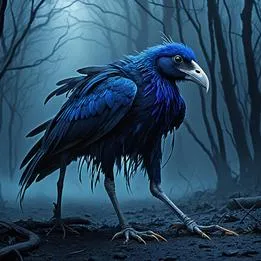
| Bird losing feathers | Liberated | Shedding burdens. |
| Crab leaving shell | Vulnerable | Feeling unprotected. |
| Insect molting exoskeleton | Hopeful | Anticipating growth. |
| Lizard discarding tail | Relieved | Letting go. |
| Spider weaving new web | Purposeful | Rebuilding identity. |
| Finding shed skin | Nostalgic | Reflecting on past. |
| Witnessing molt | Awed | Observing transformation. |
| Being unable to molt | Trapped | Stifled growth. |
| Molting painfully | Agonized | Difficult transition. |
| Molting repeatedly | Exhausted | Constant change. |
| New form emerges | Triumphant | Successful renewal. |
Interpretive Themes
Cultural Lenses
Jungian Perspective
View Context →Symbolizes the process of individuation—shedding the persona (old skin) to reveal the more authentic Self. Represents necessary vulnerability during psychic transformation and integration of shadow aspects.
Freudian Perspective
View Context →May represent castration anxiety or fear of losing a protective layer (ego defenses). The new skin could symbolize wish-fulfillment for renewed youth, potency, or a fresh start unburdened by past.
Gestalt Perspective
View Context →The dreamer is the molting creature. What part of yourself are you shedding or outgrowing? The process highlights the tension between holding on (old form) and letting go for growth.
Cognitive Perspective
View Context →The mind using a familiar biological process (molting) to metaphorically process life transitions, cognitive restructuring, or updating self-schemas. It helps conceptualize change as natural and cyclical.
Evolutionary Perspective
View Context →Taps into deep-seated recognition of growth cycles and survival strategies. Dreaming of molting may prime the mind to adapt to new life stages, signaling the need to discard outdated behaviors for fitness.
East Asian Perspective
View Context →In Chinese and Japanese lore, the cicada's molt symbolizes resurrection, immortality, and purity, as it leaves its earthly shell behind. It's a potent metaphor for scholarly advancement and spiritual rebirth.
South Asian Perspective
View Context →In Hinduism, shedding skin aligns with the concept of samsara—the cycle of death and rebirth. The snake (naga) molting can represent the shedding of karma or illusion (maya) to attain liberation (moksha).
Middle Eastern Perspective
View Context →In ancient Mesopotamian and Persian symbolism, molting (especially of serpents) was associated with healing, wisdom, and eternal life. It reflected the divine cycle of decay and renewal in nature.
African Perspective
View Context →In many traditions, the snake's shed skin is used in rituals for protection, transition, and healing. It symbolizes the ancestor's ability to renew and the community's cyclical relationship with the spirit world.
North American Perspective
View Context →In various Native American beliefs, molting animals like snakes or eagles signify personal transformation, healing, and gaining new perspectives. The shed item is often considered a powerful talisman or medicine.
Latin American Perspective
View Context →In Mesoamerican cultures, the serpent's molt was linked to Quetzalcoatl, symbolizing renewal of the earth and the soul. In modern context, it can represent overcoming past struggles in diaspora identity.
Modern Western Perspective
View Context →Commonly metaphors for personal development, career change, or recovery from trauma. Viewed as a positive, albeit challenging, process of discarding an old identity or belief system to embrace a new one.
Interpret Your Full Dream
Beyond this symbol, every dream carries a unique story. Share your dream for a personalized AI-powered interpretation.