Maul Dream Meaning
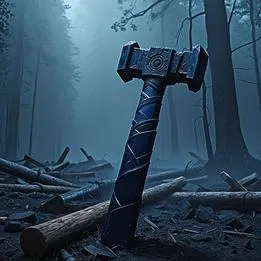
A heavy hammer-like tool for splitting wood or driving stakes, symbolizing forceful impact, destruction, or primal power.
Common Appearances & Contexts
| Context | Emotion | Interpretation |
|---|---|---|
| Splitting wood | Determination | Preparing for challenges. |
| Attacking someone | Rage | Uncontrolled anger. |
| Building shelter | Purpose | Creating security. |
| Dropping maul | Anxiety | Fear of failure. |
| Maul breaks | Frustration | Tools failing. |
| Gifted maul | Pride | Receiving responsibility. |
| Stolen maul | Betrayal | Loss of power. |
| Ancient battlefield | Fear | Historical violence. |
| Ritual ceremony | Awe | Symbolic power. |
| Forest alone | Isolation | Self-reliance test. |
| Teaching use | Confidence | Passing knowledge. |
| Maul too heavy | Overwhelm | Burden too great. |
Interpretive Themes
Cultural Lenses
Jungian Perspective
View Context →Represents the shadow archetype—unconscious aggression or primal instincts needing integration. Symbolizes the transformative power of the psyche to break down old patterns for renewal.
Freudian Perspective
View Context →Phallic symbol representing repressed sexual aggression or masculine power. May indicate sublimated violent urges or unresolved conflicts with authority figures.
Gestalt Perspective
View Context →Projects the dreamer's own forceful aspects—how they 'hammer' through problems or relationships. Represents unfinished business requiring direct action or confrontation.
Cognitive Perspective
View Context →Mental schema for problem-solving through force. May reflect cognitive processing of conflict resolution, decision-making under pressure, or memory of physical tasks.
Evolutionary Perspective
View Context →Ancient tool-use memory triggering survival instincts. Activates neural pathways for resource acquisition, territory defense, or social hierarchy through physical dominance displays.
European Perspective
View Context →Medieval weapon and peasant tool symbolizing class struggle. Historically associated with blacksmiths, executioners, and Viking warfare, now romanticized in fantasy literature.
North American Perspective
View Context →Pioneer symbol of frontier self-sufficiency and homesteading. Represents Manifest Destiny's forceful expansion, lumber industry history, and modern survivalist movements.
East Asian Perspective
View Context →Daoist symbol of balanced force—like water splitting rock through persistence. In martial arts, represents internal power (neijin) rather than brute strength.
African Perspective
View Context →Ritual tool in some cultures for ceremonial wood carving or initiation rites. Symbolizes ancestral craftsmanship and the transformative power of shaping natural materials.
Modern Western Perspective
View Context →Nostalgic symbol of manual competence versus digital age. Associated with DIY culture, historical reenactment, and therapeutic physical labor for stress relief.
Global/Universal Perspective
View Context →Cross-cultural tool for transformation through force. Appears in creation myths as divine instrument, in folk tales as hero's weapon, and universally as survival implement.
Latin American Perspective
View Context →Symbol of mestizo identity blending indigenous stone tools with Spanish ironworking. Represents both colonial oppression and revolutionary tools for liberation movements.
Interpret Your Full Dream
Beyond this symbol, every dream carries a unique story. Share your dream for a personalized AI-powered interpretation.