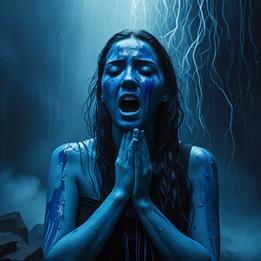
Interjection
A sudden vocal expression interrupting flow, conveying raw emotion or emphasis in artistic performance.
Interjection Dream Meaning
A sudden vocal expression interrupting flow, conveying raw emotion or emphasis in artistic performance.
Interpretive Themes
Mythological Resonance
Pan
GreekThe god whose sudden shout (panikos) could cause irrational terror, representing the disruptive power of primal, unexpected sound.
Balaam's Donkey
BiblicalThe donkey who suddenly spoke to protest mistreatment, interrupting Balaam's journey with divine truth from an unexpected source.
Cultural Lenses
Jungian Perspective
View Context →Archetypal expression of the Shadow or Anima/Animus breaking through conscious control. Represents collective unconscious impulses manifesting audibly in artistic contexts.
Freudian Perspective
View Context →Sublimated expression of repressed desires or traumatic memories. The Id bypassing ego defenses through artistic performance, often with sexual or aggressive undertones.
Gestalt Perspective
View Context →Foreground figure emerging from background artistic context. Represents unmet needs demanding immediate attention through vocal interruption of established patterns.
Cognitive Perspective
View Context →Automatic emotional processing interrupting controlled artistic execution. Brain's threat/ reward system triggering vocal response before conscious artistic decisions.
Evolutionary Perspective
View Context →Primate alarm calls or mating displays adapted to artistic contexts. Survival signaling through sudden vocalizations that command attention and convey emotional states.
East Asian Perspective
View Context →In traditional theater like Noh or Peking Opera, controlled interjections mark emotional peaks. Modern K-pop uses spontaneous exclamations for authenticity, balancing tradition with contemporary expression.
European Perspective
View Context →From Greek tragedy's exclamations to Romantic era's emotional outbursts in music. Baroque opera used interjections for divine intervention signals, evolving into modernist artistic interruptions.
African Perspective
View Context →Call-and-response traditions where interjections maintain communal rhythm. In storytelling and musical rituals, spontaneous vocalizations connect performers with ancestral spirits and audience.
Middle Eastern Perspective
View Context →In Sufi music and poetry, ecstatic interjections (like 'Allah') express divine connection. Traditional storytelling uses formulaic exclamations that modern artists subvert for personal expression.
Latin American Perspective
View Context →Carnival and festival traditions encourage collective interjections breaking daily norms. Telenovelas and music use dramatic exclamations blending indigenous, African, and European vocal traditions.
Modern Western Perspective
View Context →Reality TV and social media normalize emotional outbursts as authentic performance. Podcasts and streaming content use interjections for engagement, blurring art and spontaneous reaction.
Global/Universal Perspective
View Context →Cross-cultural vocal expressions of surprise, pain, or joy in artistic contexts. From ancient rituals to digital media, sudden vocal interruptions serve emotional communication and attention command.
Historical Authorities
Want a deeper analysis?
Get a personalized interpretation of your entire dream including this symbol.
Interpret My DreamThe Oracle's Prediction
Combine multiple symbolsA sudden opportunity or revelation will disrupt your current path, requiring immediate response.
Timeframe
Immediate (Next 48h)
Intensity
Deep
An unexpected emotional outburst or conflict may surface in close relationships.
Timeframe
Immediate (Next 48h)
Intensity
Deep
Common Appearances & Contexts
| Context | Emotion | Interpretation |
|---|---|---|
| Context Musical performance | Emotion Ecstatic | Interpretation Spontaneous emotional peak. |
| Context Theater rehearsal | Emotion Frustrated | Interpretation Breaking character tension. |
| Context Poetry reading | Emotion Passionate | Interpretation Emphasis on key line. |
| Context Dance interruption | Emotion Shocked | Interpretation Unexpected vocal break. |
| Context Silent meditation | Emotion Angry | Interpretation Involuntary emotional leak. |
| Context Orchestral concert | Emotion Joyful | Interpretation Audience collective outburst. |
| Context Art gallery | Emotion Awestruck | Interpretation Visceral art reaction. |
| Context Film screening | Emotion Terrified | Interpretation Jump scare response. |
| Context Writing session | Emotion Inspired | Interpretation Creative breakthrough exclamation. |
| Context Choir practice | Emotion Confused | Interpretation Wrong note reaction. |
| Context Stand-up comedy | Emotion Amused | Interpretation Punchline enhancement. |
| Context Sculpting workshop | Emotion Painful | Interpretation Accidental injury cry. |
Interpret Your Full Dream
Beyond this symbol, every dream carries a unique story. Share your dream for a personalized AI-powered interpretation.