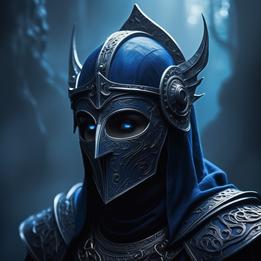
Helm of Darkness
The Helm of Darkness, often associated with invisibility and protection, symbolizes the hidden depths of the psyche and the unseen aspects of one's character.
Helm of Darkness Dream Meaning
The Helm of Darkness, often associated with invisibility and protection, symbolizes the hidden depths of the psyche and the unseen aspects of one's character.
Interpretive Themes
Protection
highRepresents a desire to shield oneself from external dangers.
Inner Darkness
highEncapsulates the complexities of the human experience and psyche.
Identity
mediumReflects upon the duality of public versus private self.
Power
mediumSymbolizes the strength found within one's hidden potentials.
Mystery
mediumEncourages questioning and curiosity about what lies beneath.
Mythological Resonance
Hades
GreekThe Helm of Darkness was worn by Hades to become invisible, symbolizing his dominion over the unseen underworld and hidden aspects of existence.
Tarnhelm
NorseA magical helmet from Wagner's Ring Cycle that grants invisibility and shape-shifting, representing the transformative power of illusion.
Cultural Lenses
European Perspective
View Context →The helm is rooted in mythology, particularly associated with Hades and invisibility. Symbolizes protection in battles and contests. [Greek] Integrates into hero stories and quests.
Jungian Perspective
View Context →Reflects the shadow self and hidden aspects of personality. Used to symbolize parts of self that are often repressed. Encourages integration of the shadow self.
Middle Eastern Perspective
View Context →Mirrored in folklore as a tool for gaining insight and protection. Used in legends of heroes to symbolize bravery. [Persian] Highlights the role of protective symbols in culture.
Historical Authorities
Want a deeper analysis?
Get a personalized interpretation of your entire dream including this symbol.
Interpret My DreamThe Oracle's Prediction
Combine multiple symbolsA profound insight into your hidden motivations will surface.
Timeframe
Lunation (~29 Days)
Intensity
Deep
A situation where truth is being concealed from you may emerge.
Timeframe
Seasonal (~3 Months)
Intensity
Deep
Common Appearances & Contexts
| Context | Emotion | Interpretation |
|---|---|---|
| Context Wearing the Helm of Darkness to escape danger | Emotion Empowerment | Interpretation Indicates a sense of control over challenging situations. |
| Context Searching for the helm in a dark cave | Emotion Intrigue | Interpretation Reflects a quest for understanding hidden aspects of oneself. |
| Context Feeling isolated while wearing the helm | Emotion Loneliness | Interpretation Represents a struggle with personal identity and connection. |
| Context Using the helm to observe others without being seen | Emotion Fear | Interpretation Suggests anxiety over being judged by others. |
| Context Gaining confidence while using the helm during a confrontation | Emotion Confidence | Interpretation Indicates overcoming fears and asserting oneself. |
| Context Seeing one’s reflection change when wearing the helm | Emotion Confusion | Interpretation Represents conflicting perceptions of identity. |
| Context Sharing the helm with others as protection | Emotion Solidarity | Interpretation Highlights connections with trusted individuals. |
| Context Discovering the helm serves a dual purpose of protection and concealment | Emotion Ambivalence | Interpretation Emphasizes the complexity of one's hidden traits. |
| Context Wishing to return the helm after a challenging journey | Emotion Relief | Interpretation Indicates the desire to shed layers of protection. |
| Context Using the helm during a celebration and feeling detached | Emotion Sadness | Interpretation Represents feelings of exclusion despite being present. |
Interpret Your Full Dream
Beyond this symbol, every dream carries a unique story. Share your dream for a personalized AI-powered interpretation.