Animals & Creatures

Grub Dream Meaning

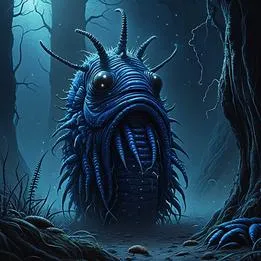
A larval insect symbolizing potential, transformation, and the raw, hidden aspects of life before emergence.

Common Appearances & Contexts

Context Emotion Interpretation
Digging in soil Curiosity Uncovering hidden potential.
Eating grubs Disgust Resistance to nourishment.
Watching transformation Awe Witnessing personal change.
Many grubs swarming Anxiety Overwhelming hidden issues.
Protecting a grub Care Nurturing developing self.
Grub in house Irritation Unwanted personal growth.
Golden grub Wonder Valuable hidden potential.
Grub becoming butterfly Hope Positive transformation coming.
Stepping on grub Guilt Destroying potential prematurely.
Grub in food Revulsion Contaminated nourishment source.
Talking to grub Connection Communicating with inner self.
Giant grub Fear Overwhelming latent issues.

Interpretive Themes

Cultural Lenses

Jungian Perspective

View Context →

Represents the larval stage of the Self, the undeveloped psyche in transformation. Symbolizes potential awaiting conscious integration, often appearing during periods of personal growth or before significant life changes.

Freudian Perspective

View Context →

May symbolize oral fixation, primitive desires, or anal stage regression. Could represent repressed childhood memories, basic biological drives, or anxiety about bodily functions and contamination.

Gestalt Perspective

View Context →

The dreamer's disowned potential or aspects of self perceived as 'ugly' or undeveloped. What part of yourself feels larval? What transformation are you resisting or anticipating?

Cognitive Perspective

View Context →

Mental representation of transformation processes, problem-solving in developmental stages, or schema about growth and change. May reflect cognitive processing of life transitions or learning stages.

Evolutionary Perspective

View Context →

Primordial response to potential food source versus contamination threat. Represents ancient survival concerns about nourishment, metamorphosis in nature, and instinctual recognition of life cycle stages.

Global/Universal Perspective

View Context →

Cross-cultural symbol of transformation, potential, and the life-death-rebirth cycle. Appears in creation myths worldwide as primordial matter from which life emerges.

East Asian Perspective

View Context →

In Chinese tradition, associated with silkworms symbolizing industry, transformation, and rebirth. In Japanese folklore, sometimes represents spirits of the earth or ancestral connections to soil.

South Asian Perspective

View Context →

In Hindu and Buddhist contexts, represents samsara (cycle of rebirth), impermanence, and the potential for enlightenment. The grub's transformation mirrors spiritual metamorphosis.

Middle Eastern Perspective

View Context →

In ancient Mesopotamian and Egyptian traditions, associated with scarab beetles symbolizing resurrection and solar cycles. In Islamic contexts, sometimes represents humility and God's creation.

European Perspective

View Context →

In Celtic and Norse traditions, associated with earth spirits and fertility. In medieval Christian symbolism, sometimes represented sin or corruption needing transformation.

African Perspective

View Context →

In many traditions, represents ancestors in transitional states, earth wisdom, and communal nourishment. Mopane worms are culturally significant as food and symbol of resilience.

Modern Western Perspective

View Context →

Increasingly viewed through ecological lens as vital decomposers and sustainable protein source. Still carries cultural baggage as 'gross' or undesirable in mainstream contexts.

AI-Powered

Interpret Your Full Dream

Beyond this symbol, every dream carries a unique story. Share your dream for a personalized AI-powered interpretation.