Spiritual & Myth

Goblin Dream Meaning

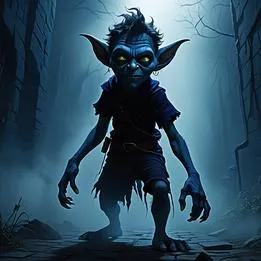
A trickster figure representing repressed fears, mischief, and the shadow self, often embodying chaotic or disruptive energies.

Common Appearances & Contexts

Context Emotion Interpretation
Chasing you Terror Avoiding inner demons.
Stealing objects Frustration Loss of control.
Making deals Temptation Moral compromise.
Hiding in shadows Paranoia Hidden threats.
Laughing at you Humiliation Self-criticism manifest.
Transforming shape Confusion Unstable identity.
Guarding treasure Greed Hoarding resources.
Breaking things Anger Destructive impulses.
Whispering secrets Curiosity Forbidden knowledge.
Playing tricks Amusement Lighthearted chaos.
Being captured Relief Conquering fears.
Leading you Trust Following intuition.

Interpretive Themes

Cultural Lenses

Jungian Perspective

View Context →

Represents the shadow archetype—repressed aspects of personality that cause mischief when ignored. Integration leads to wholeness, while rejection creates psychological disruption.

Freudian Perspective

View Context →

Symbolizes repressed id impulses, particularly aggressive or sexual drives manifesting as disruptive forces. The goblin's mischief represents unconscious desires breaking through repression.

Gestalt Perspective

View Context →

An aspect of self that feels 'goblin-like'—mischievous, disruptive, or hidden. The dreamer is asked to become the goblin to understand what part of themselves it represents.

Cognitive Perspective

View Context →

A cognitive schema representing threat detection or social deception. The brain processes real-world anxieties through this mythical framework during sleep state processing.

Evolutionary Perspective

View Context →

An evolved threat-detection mechanism personifying unpredictable dangers. The goblin represents ancestral fears of nocturnal predators or deceptive social competitors.

European Perspective

View Context →

In European folklore, goblins are household spirits causing mischief, representing the unpredictable nature of domestic life and hidden household tensions.

East Asian Perspective

View Context →

In Japanese folklore (like tengu), goblin-like beings represent mountain spirits that test spiritual seekers, blending Buddhist concepts of temptation with Shinto nature spirits.

Middle Eastern Perspective

View Context →

Jinn in Islamic tradition share goblin traits—invisible beings that can be mischievous or harmful, representing unseen forces and the importance of spiritual protection.

African Perspective

View Context →

Trickster figures like Anansi manifest goblin qualities, teaching moral lessons through mischief. They represent the necessary chaos that maintains cosmic balance.

Modern Western Perspective

View Context →

Fantasy media goblins (D&D, Harry Potter) commercialize the archetype as greedy antagonists, reflecting capitalist anxieties about accumulation and social competition.

Global/Universal Perspective

View Context →

Cross-cultural trickster figure representing the human need to personify unpredictable misfortune, hidden fears, and the disruptive forces that challenge social order.

Latin American Perspective

View Context →

Duendes in Latin folklore are goblin-like beings protecting nature, punishing disrespect. They represent indigenous resistance to colonization and environmental guardianship.

AI-Powered

Interpret Your Full Dream

Beyond this symbol, every dream carries a unique story. Share your dream for a personalized AI-powered interpretation.