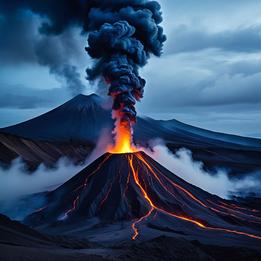
Fumarole
A volcanic vent emitting steam and gases, symbolizing hidden pressure, transformation, and the release of primal forces from beneath the surface.
Fumarole Dream Meaning
A volcanic vent emitting steam and gases, symbolizing hidden pressure, transformation, and the release of primal forces from beneath the surface.
Interpretive Themes
Mythological Resonance
Hephaestus
GreekThe god of fire and forge, whose volcanic workshops beneath mountains channel divine creative and destructive forces.
Pele
HawaiianGoddess of volcanoes, whose breath (steam) and eruptions shape land, symbolizing both creation and wrathful transformation.
Cultural Lenses
Jungian Perspective
View Context →Represents the collective unconscious erupting into consciousness—primal archetypal energies (like the Shadow or Anima/Animus) seeking integration through symbolic steam and gases from deep psychological layers.
Freudian Perspective
View Context →Symbolizes repressed libidinal or aggressive drives (the Id) forcing release through sublimated channels; the steam may represent sexual energy or unresolved childhood conflicts venting indirectly.
Gestalt Perspective
View Context →Seen as an expression of unfinished emotional business—the dreamer's own 'pressure' projected onto the landscape, urging acknowledgment and integration of suppressed feelings for wholeness.
Cognitive Perspective
View Context →Reflects mental schemas of threat or change; the brain processes real-world anxieties about instability or transformation through this vivid metaphor, aiding in problem-solving or emotional regulation.
Evolutionary Perspective
View Context →Taps into ancestral fears of geological hazards, signaling adaptive vigilance for environmental dangers, while also representing innate drives for energy release and survival through transformative processes.
Global/Universal Perspective
View Context →Across cultures, symbolizes Earth's life force—often revered in volcanic regions as divine breath or spiritual portals, representing creation, destruction, and the cyclical nature of existence.
East Asian Perspective
View Context →In Taoist and Shinto traditions, seen as qi or kami (spirit) manifestations—balancing yin-yang energies; historically, geothermal vents were sacred sites for purification rituals and meditation on impermanence.
South Asian Perspective
View Context →Linked to Hindu cosmology as tapas (austerity heat) or Agni's (fire god) breath, symbolizing spiritual purification; in modern yoga, it metaphorically represents kundalini energy rising through chakras.
Middle Eastern Perspective
View Context →Historically viewed in Zoroastrian and Islamic contexts as signs of divine wrath or judgment (like hellfire), but also as natural wonders reflecting Allah's power; modern interpretations stress environmental respect.
European Perspective
View Context →In Greco-Roman myth, associated with Hephaestus/Vulcan's forges or underworld gates; medieval lore saw them as devil's breath. Today, they symbolize geothermal innovation and ecological awareness.
African Perspective
View Context →In some traditions, represents ancestral spirits communicating through Earth; volcanic vents are often ritual sites for offerings. Modern views blend this spirituality with concerns about climate and land use.
North American Perspective
View Context →Indigenous cultures like the Klamath see them as spiritual warnings or healing sites; contemporary interpretations focus on environmental activism and metaphors for social 'pressure' erupting in movements.
Historical Authorities
Want a deeper analysis?
Get a personalized interpretation of your entire dream including this symbol.
Interpret My DreamThe Oracle's Prediction
Combine multiple symbolsA hidden emotional or psychic pressure will surface, leading to a transformative insight.
Timeframe
Lunation (~29 Days)
Intensity
Deep
An overlooked issue may erupt suddenly, causing temporary disruption.
Timeframe
Immediate (Next 48h)
Intensity
Deep
Common Appearances & Contexts
| Context | Emotion | Interpretation |
|---|---|---|
| Context Observing from afar | Emotion Awe | Interpretation Respect for powerful forces. |
| Context Standing near vent | Emotion Fear | Interpretation Anxiety about instability. |
| Context Touching the steam | Emotion Curiosity | Interpretation Exploring hidden aspects. |
| Context Fumarole erupting | Emotion Panic | Interpretation Sudden emotional outburst. |
| Context Multiple fumaroles | Emotion Overwhelm | Interpretation Multiple pressures building. |
| Context Fumarole in city | Emotion Alarm | Interpretation Disruption in daily life. |
| Context Fumarole cooling | Emotion Relief | Interpretation Release of tension. |
| Context Fumarole at night | Emotion Mystery | Interpretation Hidden subconscious activity. |
| Context Fumarole in water | Emotion Unease | Interpretation Emotions surfacing unexpectedly. |
| Context Fumarole changing color | Emotion Fascination | Interpretation Transformation in progress. |
| Context Fumarole sounds | Emotion Anxiety | Interpretation Inner turmoil audible. |
| Context Fumarole healing | Emotion Hope | Interpretation Positive transformation possible. |
Interpret Your Full Dream
Beyond this symbol, every dream carries a unique story. Share your dream for a personalized AI-powered interpretation.