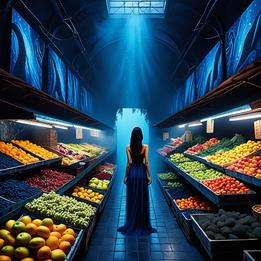
Fruity
Represents sensory pleasure, natural abundance, and life's sweetness, often tied to desire, fertility, or temptation.
Fruity Dream Meaning
Represents sensory pleasure, natural abundance, and life's sweetness, often tied to desire, fertility, or temptation.
Interpretive Themes
Mythological Resonance
Persephone
GreekHer eating of pomegranate seeds in the underworld bound her to cycles of life, death, and rebirth, symbolizing desire's transformative power.
Eve
BiblicalTempted by the forbidden fruit in Eden, she gained knowledge but also exile, representing the duality of desire and consequence.
Cultural Lenses
Jungian Perspective
View Context →Archetypal symbol of the Self's wholeness and individuation; ripe fruit represents psychic integration, while rotten fruit may shadow aspects needing attention. Connects to the Great Mother archetype of nourishment.
Freudian Perspective
View Context →Primarily sexual symbolism; fruit represents genitalia, with round fruits like apples or peaches symbolizing breasts or buttocks, and elongated fruits like bananas representing phallic imagery. Eating fruit signifies oral fixation or consummation.
Gestalt Perspective
View Context →Projection of the dreamer's relationship with pleasure and reward; the fruit's condition reflects self-perception—rotten fruit may indicate neglected aspects of self, while ripe fruit shows readiness to enjoy life's offerings.
Cognitive Perspective
View Context →Memory consolidation of sensory experiences; fruity dreams may process recent eating habits, health concerns, or marketing exposure. The brain rehearses decision-making about nourishment or indulgence.
Evolutionary Perspective
View Context →Ancient survival mechanism; dreaming of fruit activates primal foraging instincts, evaluating ripeness (safety) and abundance (resource security). Sweetness signals high-calorie reward, driving motivation.
East Asian Perspective
View Context →Symbol of longevity and prosperity; peaches represent immortality in Chinese Taoism, while persimmons signify joy. Fruit offerings in rituals honor ancestors, connecting earthly abundance to spiritual blessings.
South Asian Perspective
View Context →Sacred in Hinduism and Buddhism; mangoes symbolize love and fertility, often used in puja rituals. The forbidden fruit in some texts represents maya (illusion), teaching detachment from sensory pleasure.
Middle Eastern Perspective
View Context →Deeply rooted in Abrahamic traditions; the forbidden fruit in Eden represents disobedience and knowledge. Dates and pomegranates are ritual foods in Ramadan and Judaism, symbolizing divine bounty and wisdom.
European Perspective
View Context →Classical mythology ties fruit to gods—apples to Norse Idunn's youth, grapes to Dionysian ecstasy. Medieval Christian art used fruit in vanitas paintings to warn of life's fleeting pleasures and moral decay.
African Perspective
View Context →Communal symbol in many traditions; baobab fruit represents resilience, while coconuts are used in cleansing rituals. Fruit-sharing ceremonies reinforce social bonds and gratitude to earth spirits for harvest.
Latin American Perspective
View Context →Aztec and Maya cultures saw fruits like avocado as fertility symbols; modern Día de Muertos uses fruit offerings to honor ancestors. Tropical fruits like papaya represent vitality and sensual life force.
Modern Western Perspective
View Context →Commercialized through 'fruity' flavors in processed foods, often divorced from natural origins. Health movements reclaim fruit as 'superfood,' while ethical concerns arise about labor practices in fruit industries.
Historical Authorities
Want a deeper analysis?
Get a personalized interpretation of your entire dream including this symbol.
Interpret My DreamThe Oracle's Prediction
Combine multiple symbolsA new romantic or deeply affectionate connection will blossom.
Timeframe
Seasonal (~3 Months)
Intensity
Deep
A period of increased vitality and sensory well-being is approaching.
Timeframe
Lunation (~29 Days)
Intensity
Deep
Common Appearances & Contexts
| Context | Emotion | Interpretation |
|---|---|---|
| Context Eating ripe fruit | Emotion Joy | Interpretation Satisfaction and fulfillment. |
| Context Rotten fruit | Emotion Disgust | Interpretation Decay or missed opportunity. |
| Context Offering fruit | Emotion Generosity | Interpretation Sharing abundance. |
| Context Forbidden fruit | Emotion Guilt | Interpretation Moral conflict. |
| Context Fruit tree | Emotion Hope | Interpretation Potential and growth. |
| Context Artificial fruit | Emotion Confusion | Interpretation Deception or illusion. |
| Context Harvesting fruit | Emotion Pride | Interpretation Reward for effort. |
| Context Fruit market | Emotion Overwhelm | Interpretation Abundance of choices. |
| Context Juicy fruit | Emotion Desire | Interpretation Sensual craving. |
| Context Fruit in desert | Emotion Relief | Interpretation Unexpected sustenance. |
| Context Fruit as gift | Emotion Gratitude | Interpretation Received blessing. |
| Context Fruit falling | Emotion Anxiety | Interpretation Loss of opportunity. |
Interpret Your Full Dream
Beyond this symbol, every dream carries a unique story. Share your dream for a personalized AI-powered interpretation.