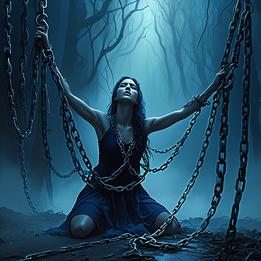
Eradicating
A forceful, complete removal or destruction of something, often representing a desire for profound change, elimination of obstacles, or confronting deep-seated issues.
Eradicating Dream Meaning
A forceful, complete removal or destruction of something, often representing a desire for profound change, elimination of obstacles, or confronting deep-seated issues.
Interpretive Themes
Cultural Lenses
Jungian Perspective
View Context →Shadow work: confronting and integrating repressed aspects of the psyche. The act of eradicating represents the ego's attempt to purge unacceptable traits, often leading to individuation through acknowledgment rather than destruction.
Freudian Perspective
View Context →Gestalt Perspective
View Context →The dreamer is all parts of the dream. 'Eradicating' represents an internal conflict where one aspect of the self is trying to violently reject or silence another. Integration is key.
Cognitive Perspective
View Context →Mental schema adjustment. The brain is simulating the removal of a cognitive 'bug' or faulty belief pattern. It's a problem-solving rehearsal for eliminating a source of stress or dissonance.
Evolutionary Perspective
View Context →An ancient threat-response mechanism. Simulating the elimination of a pathogen, rival, or danger to ensure survival and resource security. Reflects deep-seated drives for territory and safety.
Global/Universal Perspective
View Context →A fundamental human motif of renewal through destruction, seen in myths of floods or fires that cleanse the world. Represents the cyclical nature of death and rebirth across cultures.
East Asian Perspective
View Context →Often viewed through Daoist/Buddhist lens of non-attachment. Forceful eradication may indicate resistance to natural flow (wu wei). Ideal is gentle transformation, not violent removal.
South Asian Perspective
View Context →In Hindu context, can relate to destroying illusion (maya) or negative karma. The god Shiva as destroyer paves way for recreation. A spiritual purification ritual.
Middle Eastern Perspective
View Context →Themes of divine judgment and purification (e.g., Sodom). Can reflect a desire for moral or social cleansing, rooting out corruption or evil as commanded in Abrahamic traditions.
European Perspective
View Context →Historical context of witch hunts, heresy eradication, and ethnic cleansing projects. In modern interpretation, warns against scapegoating and the danger of purity ideologies.
African Perspective
View Context →Often tied to rituals of cleansing communities from spiritual pollution (e.g., 'witch' finding). Removing a curse or negative energy to restore communal balance and health.
Modern Western Perspective
View Context →Heavily medicalized (eradication of disease) or technologized (deleting data, cancel culture). Reflects a societal focus on definitive solutions, control, and sometimes, punitive exclusion.
Want a deeper analysis?
Get a personalized interpretation of your entire dream including this symbol.
Interpret My DreamCommon Appearances & Contexts
| Context | Emotion | Interpretation |
|---|---|---|
| Context Weeds in garden | Emotion Frustration | Interpretation Removing persistent problems. |
| Context Burning old letters | Emotion Relief | Interpretation Letting go of past. |
| Context Killing insects | Emotion Disgust | Interpretation Eliminating irritants. |
| Context Deleting files | Emotion Anxiety | Interpretation Fear of loss. |
| Context Clearing clutter | Emotion Overwhelm | Interpretation Mental chaos reduction. |
| Context Exterminating pests | Emotion Determination | Interpretation Taking decisive action. |
| Context Wiping a slate | Emotion Hope | Interpretation Fresh start desire. |
| Context Cutting out cancer | Emotion Fear | Interpretation Removing deep threat. |
| Context Erasing memories | Emotion Sadness | Interpretation Painful past avoidance. |
| Context Pulling out roots | Emotion Anger | Interpretation Uprooting deep issues. |
| Context Scrubbing stains | Emotion Shame | Interpretation Cleansing guilt. |
| Context Breaking chains | Emotion Liberation | Interpretation Freedom from bondage. |
Interpret Your Full Dream
Beyond this symbol, every dream carries a unique story. Share your dream for a personalized AI-powered interpretation.