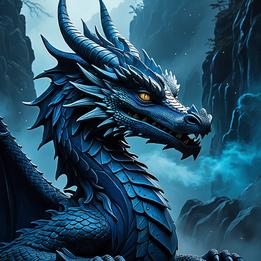
Dragon Statue
A carved representation of a dragon, symbolizing ancient power, wisdom, and the tension between chaos and order in nature.
Dragon Statue Dream Meaning
A carved representation of a dragon, symbolizing ancient power, wisdom, and the tension between chaos and order in nature.
Interpretive Themes
Ancient Power
highStatue implies contained or memorialized power.
Guardianship
mediumStatues often mark boundaries or sacred sites.
Wisdom & Longevity
highDragons are ancient, knowing creatures.
Tamed Chaos
mediumStatue form controls the dragon's nature.
Cultural Heritage
highEmbodies myths passed through generations.
Mythological Resonance
Azure Dragon
ChineseA celestial guardian of the east, symbolizing spring, renewal, and imperial authority, often depicted in statues as a bringer of rain and protector.
Fafnir
EuropeanA dwarf transformed into a dragon by greed, hoarding cursed treasure in Norse mythology, representing the corrupting power of shadow desires.
Cultural Lenses
Jungian Perspective
View Context →Archetype of the primal Self or untamed psychic energy. The statue represents this powerful force made conscious, integrated, and contained within the psyche.
Freudian Perspective
View Context →Symbol of repressed, powerful instinctual drives (often id-related, like aggression or libido). The statue form signifies these drives being sublimated or controlled.
Gestalt Perspective
View Context →A projection of the dreamer's own powerful, possibly feared, aspects. The statue asks, 'What part of me is this ancient, powerful, and carved in stone?'
Cognitive Perspective
View Context →A mental schema representing 'overwhelming power' or 'ancient authority.' The dream processes memories or concepts related to control, tradition, and formidable challenges.
Evolutionary Perspective
View Context →A cognitive relic representing apex predators or immense natural forces. The statue signifies a safe, symbolic engagement with primordial threats, allowing for threat assessment without danger.
East Asian Perspective
View Context →A benevolent symbol of celestial power, wisdom, and good fortune. Historically imperial and rain-bringing; modernly a cultural icon of strength and prosperity in art and festivals.
European Perspective
View Context →A chaotic, greedy, hoarding force to be slain by heroes. Historically a Christian symbol of Satan; modernly a fantasy antagonist representing a ultimate challenge or evil.
Middle Eastern Perspective
View Context →Ancient chaos monsters (e.g., Tiamat, Leviathan) representing primordial disorder overcome by gods of order. Modern views blend these myths with global fantasy tropes.
South Asian Perspective
View Context →Nagas, serpentine dragon-like beings, are protectors of treasures and waters, associated with fertility and wisdom. Statues guard temples, symbolizing spiritual knowledge and earthly power.
Global/Universal Perspective
View Context →A near-universal mythic creature representing the ultimate power of nature—both creative and destructive. The statue form captures humanity's awe and attempt to master this concept.
Modern Western Perspective
View Context →Predominantly a fantasy genre staple, symbolizing ultimate challenge, rare power, or a bondable companion. Also a popular tattoo and decorative motif representing personal strength.
African Perspective
View Context →Varied by region; often serpentine water spirits (like Mami Wata) or rain-controlling beings. Statues may represent venerated ancestral spirits or natural forces central to community well-being.
Historical Authorities
Want a deeper analysis?
Get a personalized interpretation of your entire dream including this symbol.
Interpret My DreamThe Oracle's Prediction
Combine multiple symbolsA hidden conflict over resources, authority, or legacy matters may surface, requiring careful navigation.
Timeframe
Immediate (Next 48h)
Intensity
Deep
You will unlock a latent personal power or ancestral wisdom that has been dormant.
Timeframe
Lunation (~29 Days)
Intensity
Deep
Common Appearances & Contexts
| Context | Emotion | Interpretation |
|---|---|---|
| Context Finding a dragon statue in a forest | Emotion wonder | Interpretation Discovering hidden, ancient natural wisdom. |
| Context A dragon statue crumbling to dust | Emotion loss | Interpretation Fear of losing protective traditions or power. |
| Context Polishing or cleaning a dragon statue | Emotion reverence | Interpretation Honoring and maintaining one's inner strength. |
| Context A dragon statue coming to life | Emotion terror | Interpretation Unleashing repressed primal instincts or anger. |
| Context Receiving a dragon statue as a gift | Emotion pride | Interpretation Acceptance of a legacy or great responsibility. |
| Context A dragon statue with missing parts | Emotion unease | Interpretation Feeling one's power or protection is incomplete. |
| Context Multiple dragon statues in a row | Emotion awe | Interpretation Confronting a lineage or series of challenges. |
| Context A dragon statue in a modern office | Emotion confusion | Interpretation Integrating ancient wisdom into daily, mundane life. |
| Context A dragon statue watching you | Emotion paranoia | Interpretation Feeling judged by ancestral expectations or rules. |
| Context Building or carving a dragon statue | Emotion determination | Interpretation Consciously shaping your own inner power. |
| Context A dragon statue as a centerpiece | Emotion satisfaction | Interpretation Your core strength is recognized and valued. |
| Context A dragon statue being stolen | Emotion violation | Interpretation Fear of having your power or heritage taken. |
Interpret Your Full Dream
Beyond this symbol, every dream carries a unique story. Share your dream for a personalized AI-powered interpretation.