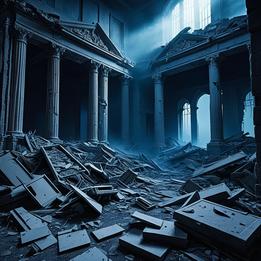
Debris
Fragments of what was once whole, representing destruction, aftermath, and the remnants of past structures or experiences.
Debris Dream Meaning
Fragments of what was once whole, representing destruction, aftermath, and the remnants of past structures or experiences.
Interpretive Themes
Destruction & Aftermath
highSignals unresolved trauma or endings.
Memory & History
mediumPast experiences shaping present.
Transformation Potential
mediumOpportunity within apparent chaos.
Clutter & Overload
highNeed for simplification or clearing.
Fragmentation
highDisintegration of self or systems.
Cultural Lenses
Jungian Perspective
View Context →Represents the shadow material of the psyche - repressed memories, trauma, and unresolved conflicts that must be integrated for wholeness. Debris symbolizes the collective unconscious's fragmented archetypes.
Freudian Perspective
View Context →Symbolizes repressed childhood memories, particularly toilet training and anal stage conflicts. Debris represents psychological waste that the ego cannot properly process or eliminate.
Gestalt Perspective
View Context →Represents unfinished business and incomplete experiences that clutter the present moment. Each fragment demands attention to complete the gestalt and achieve psychological closure.
Cognitive Perspective
View Context →Manifests as mental clutter - overwhelming thoughts, fragmented memories, or cognitive overload that interferes with processing efficiency and decision-making capabilities.
Evolutionary Perspective
View Context →Triggers ancient survival responses to environmental destruction or resource scarcity. Debris activates threat detection systems related to shelter loss and territory violation.
East Asian Perspective
View Context →In Zen Buddhism, represents impermanence (anicca) and the necessity of clearing mental attachments. In Shinto, debris may indicate spiritual pollution (kegare) requiring purification rituals.
South Asian Perspective
View Context →In Hinduism, symbolizes samsara's cyclical destruction (pralaya) and the remnants of karma. Debris represents maya's illusionary fragments that obscure Brahman's unity.
Middle Eastern Perspective
View Context →In Islamic dream interpretation, debris often signifies wasted opportunities or neglected religious duties. In ancient Mesopotamian tradition, represents temple ruins requiring restoration.
European Perspective
View Context →In Celtic tradition, represents fairy forts or ancient settlement remains holding ancestral wisdom. In Greek mythology, symbolizes the aftermath of divine conflicts or hubris.
African Perspective
View Context →In many traditions, represents ancestral presence through material fragments. Debris may indicate disrupted community harmony requiring ritual cleansing and restoration ceremonies.
Latin American Perspective
View Context →In Mesoamerican traditions, represents cyclical world destruction and rebirth. In contemporary contexts, often connects to political upheaval, migration, and cultural preservation struggles.
Modern Western Perspective
View Context →Frequently appears in post-apocalyptic narratives and climate anxiety dreams. Symbolizes digital clutter, information overload, and the psychological impact of consumer waste culture.
Want a deeper analysis?
Get a personalized interpretation of your entire dream including this symbol.
Interpret My DreamCommon Appearances & Contexts
| Context | Emotion | Interpretation |
|---|---|---|
| Context Walking through debris | Emotion anxiety | Interpretation Navigating life's aftermath. |
| Context Clearing debris | Emotion determination | Interpretation Active processing of past. |
| Context Buried in debris | Emotion panic | Interpretation Feeling overwhelmed by past. |
| Context Finding treasure in debris | Emotion hope | Interpretation Discovering value in ruins. |
| Context Creating art from debris | Emotion creativity | Interpretation Transforming pain into beauty. |
| Context Debris falling from sky | Emotion fear | Interpretation Sudden collapse or crisis. |
| Context Sorting through debris | Emotion contemplation | Interpretation Analyzing past experiences. |
| Context Debris blocking path | Emotion frustration | Interpretation Obstacles from past events. |
| Context Debris in childhood home | Emotion nostalgia | Interpretation Remnants of early life. |
| Context Debris transforming | Emotion awe | Interpretation Change emerging from ruin. |
| Context Debris in workplace | Emotion stress | Interpretation Career or project collapse. |
| Context Debris floating in water | Emotion melancholy | Interpretation Emotional residue surfacing. |
Interpret Your Full Dream
Beyond this symbol, every dream carries a unique story. Share your dream for a personalized AI-powered interpretation.