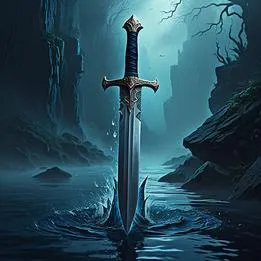
Dagger Dream Meaning
A sharp, double-edged blade symbolizing aggression, betrayal, or decisive action. It represents both danger and the power to cut through obstacles.
Common Appearances & Contexts
| Context | Emotion | Interpretation |
|---|---|---|
| Holding a dagger | powerful | Feeling in control. |
| Being stabbed | terrified | Fear of betrayal. |
| Finding a dagger | curious | Discovering hidden threats. |
| Dropping a dagger | relieved | Letting go of aggression. |
| Sharpening a dagger | focused | Preparing for conflict. |
| Giving a dagger | anxious | Transferring responsibility. |
| Rusty dagger | sad | Neglected anger. |
| Shiny dagger | alert | Immediate danger. |
| Broken dagger | defeated | Loss of power. |
| Multiple daggers | overwhelmed | Many threats. |
| Dagger in water | confused | Emotional conflict. |
| Dagger as gift | suspicious | Deceptive offering. |
Interpretive Themes
Cultural Lenses
Jungian Perspective
View Context →Represents the shadow archetype—unconscious aggression or repressed instincts. Historically, daggers were ritual tools for sacrifice; in modern analysis, they symbolize the need to confront inner darkness.
Freudian Perspective
View Context →A phallic symbol denoting sexual aggression or castration anxiety. In historical contexts, daggers were linked to power dynamics; modernly, they may reflect repressed desires or conflicts.
Gestalt Perspective
View Context →Symbolizes a part of the self that feels sharp or dangerous. Historically, daggers were personal tools; in modern therapy, they represent projections of inner conflict or unresolved issues.
Cognitive Perspective
View Context →A mental schema for threat or decision-making. Historically, daggers were survival tools; in modern psychology, they trigger fear responses or problem-solving thoughts.
Evolutionary Perspective
View Context →Rooted in survival instincts for defense or hunting. Historically essential for protection; in modern dreams, they activate primal fear or aggression responses.
Global/Universal Perspective
View Context →A cross-cultural symbol of violence, protection, and ritual. Historically used in ceremonies and warfare; modernly, it signifies danger or decisive action globally.
East Asian Perspective
View Context →In cultures like Japan, daggers (tantō) symbolize honor, seppuku rituals, and samurai loyalty. Modernly, they represent discipline or hidden strength in personal conflicts.
South Asian Perspective
View Context →Associated with deities like Kali, symbolizing destruction of evil. Historically used in rituals; modernly, it may denote spiritual cleansing or fierce protection.
Middle Eastern Perspective
View Context →Linked to historical trade and combat, like the jambiya dagger. Symbolizes honor and social status; modernly, it can indicate cultural pride or conflict.
European Perspective
View Context →Tied to medieval chivalry, betrayal (e.g., Julius Caesar), and folklore. Historically a tool of knights; modernly, it evokes themes of treachery or heritage.
African Perspective
View Context →Used in rituals and as status symbols, like the Maasai simi. Historically signifies bravery; modernly, it may represent ancestral strength or community disputes.
North American Perspective
View Context →In Indigenous cultures, daggers were ceremonial; colonially, they symbolized frontier violence. Modernly, they often appear in media as icons of danger or rebellion.
Interpret Your Full Dream
Beyond this symbol, every dream carries a unique story. Share your dream for a personalized AI-powered interpretation.