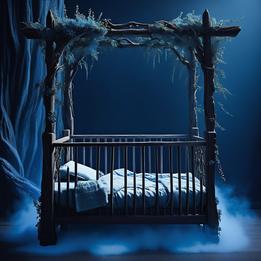
Crib
A crib symbolizes safety, nurturing, and the beginnings of life, often connected to childhood and parental care.
Crib Dream Meaning
A crib symbolizes safety, nurturing, and the beginnings of life, often connected to childhood and parental care.
Interpretive Themes
Protection
highIndicates a search for or feeling of security in one's life.
New Beginnings
highReflects transitions, whether in personal or professional realms.
Dependency
mediumMay indicate feelings of vulnerability or the need to seek help.
Nurturing and Care
mediumCalls attention to relationships and emotional bonds.
Innocence
mediumLinks to feelings of nostalgia for childhood and simplicity.
Mythological Resonance
Dionysus
GreekThe god was placed in a crib woven from ivy after his birth from Zeus's thigh, symbolizing how divine potential begins in protected vulnerability before erupting into wild creativity.
Moses
BiblicalPlaced in a reed basket-crib on the Nile River, his vulnerability became his salvation and destiny, showing how protection can come through surrender to larger forces.
Cultural Lenses
Modern Western Perspective
View Context →Widely used as a symbol of childhood, care, and safety. Newborn rituals and celebrations around family growth. [American] Cribs are considered essential in American parenting practices.
East Asian Perspective
View Context →Represented in rituals for the birth of a child, symbolizing safe space. Ceremonies around childbirth and nurturing. [South Asian] [Hindu] Cribs are often adorned with cultural significance, incorporating traditional designs.
African Perspective
View Context →Symbol of family and community in raising children. Traditions surrounding blessings and nurturing youth. [African American] Cribs can reflect community involvement during child upbringing.
Historical Authorities
Want a deeper analysis?
Get a personalized interpretation of your entire dream including this symbol.
Interpret My DreamThe Oracle's Prediction
Combine multiple symbolsThe beginning of a healing process or recovery period that requires rest and protection.
Timeframe
Seasonal (~3 Months)
Intensity
Deep
The emergence of a new aspect of your identity or spiritual understanding.
Timeframe
Lunation (~29 Days)
Intensity
Deep
Common Appearances & Contexts
| Context | Emotion | Interpretation |
|---|---|---|
| Context Sitting beside a crib | Emotion Peaceful | Interpretation Reflects feelings of contentment and connection to family. |
| Context A crib that is abandoned | Emotion Sad | Interpretation Indicates loss or unfulfilled nurturing aspects in life. |
| Context Rocking a baby in a crib | Emotion Joyful | Interpretation Symbolizes fulfillment in family life or nurturing roles. |
| Context Decorating a crib | Emotion Excited | Interpretation Represents new beginnings, such as a project or phase in life. |
| Context Peering into an empty crib | Emotion Anxious | Interpretation May suggest fears about current responsibilities or care roles. |
| Context Crib having high walls | Emotion Secure | Interpretation Indicates a sense of safety and being safeguarded from harm. |
| Context Sleeping in a crib as an adult | Emotion Vulnerable | Interpretation Reflects feelings of regression or a desire for comfort. |
| Context A colorful and cheerful crib | Emotion Happy | Interpretation Suggests positivity and hope for the future. |
| Context Caring for multiple babies in cribs | Emotion Overwhelmed | Interpretation Represents feeling overloaded by responsibilities. |
| Context Seeing an ornate crib in a store | Emotion Longing | Interpretation Indicates desires for family and nurturing environments. |
Interpret Your Full Dream
Beyond this symbol, every dream carries a unique story. Share your dream for a personalized AI-powered interpretation.