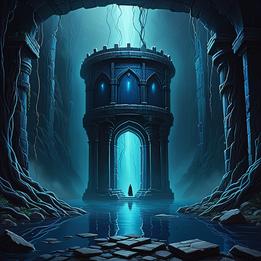
Cistern
A reservoir for collecting and storing water, often underground. Symbolizes containment, hidden resources, and emotional reserves.
Cistern Dream Meaning
A reservoir for collecting and storing water, often underground. Symbolizes containment, hidden resources, and emotional reserves.
Interpretive Themes
Cultural Lenses
Jungian Perspective
View Context →Represents the collective unconscious—a deep reservoir of archetypal patterns and ancestral wisdom. The cistern's contents symbolize psychic energy that can nourish or overwhelm the conscious mind.
Freudian Perspective
View Context →Symbolizes repressed sexual energy or memories stored in the unconscious. The cistern's structure may represent womb imagery, with water symbolizing amniotic fluid or libidinal forces.
Gestalt Perspective
View Context →Represents unfinished emotional business or stored experiences needing integration. The dreamer may project parts of themselves onto the cistern as a container for avoided feelings.
Cognitive Perspective
View Context →Metaphor for memory storage and information processing. The cistern represents schemas or emotional memories that influence waking thought patterns and decision-making.
Evolutionary Perspective
View Context →Taps into ancestral survival concerns about water security and resource management. May activate primal anxieties about scarcity or instincts for preparation and preservation.
Middle Eastern Perspective
View Context →Historically vital for survival in arid regions, cisterns symbolize divine provision and community resilience. In Islamic tradition, they represent spiritual purification and the well of Zamzam.
European Perspective
View Context →Medieval cisterns in castles represent siege preparedness and self-sufficiency. In folklore, they're often sites of hidden treasure, drowned secrets, or supernatural encounters with water spirits.
East Asian Perspective
View Context →In Chinese symbolism, water represents wealth and emotion, so cisterns signify accumulated fortune or controlled feelings. Japanese gardens use cisterns for ritual purification and aesthetic contemplation.
African Perspective
View Context →In many traditions, cisterns are communal resources representing ancestral blessings. They may be sacred sites for rituals, with water symbolizing life force, healing, and connection to spirits.
Latin American Perspective
View Context →Pre-Columbian civilizations like the Maya built elaborate cisterns (chultuns) for water storage, representing technological ingenuity. In modern contexts, they symbolize resource inequality and community resilience.
South Asian Perspective
View Context →In Hindu symbolism, water represents purity and consciousness. Cisterns (kunds) in temple architecture are for ritual bathing, symbolizing the containment of divine energy and spiritual preparation.
Modern Western Perspective
View Context →Often associated with sustainable living, historical preservation, or emergency preparedness. May symbolize emotional self-sufficiency, digital data storage metaphors, or environmental consciousness.
Want a deeper analysis?
Get a personalized interpretation of your entire dream including this symbol.
Interpret My DreamCommon Appearances & Contexts
| Context | Emotion | Interpretation |
|---|---|---|
| Context Empty cistern | Emotion Despair | Interpretation Emotional depletion. |
| Context Overflowing cistern | Emotion Overwhelm | Interpretation Emotional flood. |
| Context Cleaning cistern | Emotion Hope | Interpretation Emotional purification. |
| Context Falling into cistern | Emotion Fear | Interpretation Losing control. |
| Context Drinking from cistern | Emotion Satisfaction | Interpretation Self-nourishment. |
| Context Cistern leaking | Emotion Anxiety | Interpretation Emotional leakage. |
| Context Cistern in desert | Emotion Relief | Interpretation Finding sustenance. |
| Context Ancient cistern | Emotion Awe | Interpretation Connecting to past. |
| Context Cistern with fish | Emotion Curiosity | Interpretation Hidden life within. |
| Context Building a cistern | Emotion Determination | Interpretation Creating reserves. |
| Context Cistern cracking | Emotion Dread | Interpretation Foundation failing. |
| Context Cistern as home | Emotion Security | Interpretation Self-contained safety. |
Interpret Your Full Dream
Beyond this symbol, every dream carries a unique story. Share your dream for a personalized AI-powered interpretation.