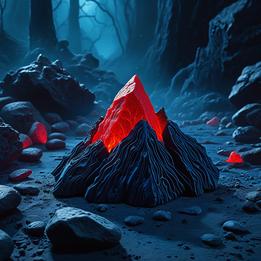
Cinnabar
A vibrant red mineral historically used in alchemy and spiritual practices, symbolizing transformation, immortality, and potent energy.
Cinnabar Dream Meaning
A vibrant red mineral historically used in alchemy and spiritual practices, symbolizing transformation, immortality, and potent energy.
Interpretive Themes
Alchemical Transformation
highSymbolizes turning base self into gold.
Hidden Toxicity
highExternal allure masks internal harm.
Vital Energy
mediumRed color represents blood and chi.
Immortality Quest
mediumLinked to elixirs and longevity practices.
Sacred Material
lowUsed in ceremonies and burials.
Mythological Resonance
The Red Stone
ChineseIn Taoist alchemy, cinnabar represented the crucial ingredient for creating the elixir of immortality.
The Phoenix
GreekThe mythical bird that dies in flames and is reborn from its own ashes, representing dangerous transformation.
Cultural Lenses
Jungian Perspective
View Context →Represents the prima materia—the chaotic raw material of the psyche awaiting transformation through individuation. Its red color connects to life force and the dangerous process of confronting the shadow.
Freudian Perspective
View Context →Symbolizes repressed desires or passions (red) that are socially toxic or forbidden. May represent a wish for potent, transformative experience or fear of being poisoned by one's own impulses.
Gestalt Perspective
View Context →What part of you is both vibrantly attractive and potentially poisonous? The dream asks you to own this contradiction as a whole, integrating your alluring and dangerous aspects.
Cognitive Perspective
View Context →A memory tag for 'paradox' or 'warning.' The brain uses this vivid symbol to flag situations or personal traits that are simultaneously valuable and hazardous, prompting careful evaluation.
Evolutionary Perspective
View Context →Taps into innate caution toward brightly colored substances in nature (aposematism), signaling toxicity. Also connects to the primal value of red ochre for ritual, representing social status and group identity.
East Asian Perspective
View Context →In Chinese alchemy (waidan), cinnabar (dan) was the key ingredient for elixirs of immortality. It symbolized the ultimate yang energy, purity, and the transformative power of the Dao, though its toxicity was later recognized.
South Asian Perspective
View Context →Associated with the mineral sindoor, a sacred red vermilion powder used in Hindu rituals and by married women. Symbolizes marital bliss, fertility, and the goddess Parvati, representing auspiciousness and power.
European Perspective
View Context →Historically used as the pigment vermilion in Renaissance art, symbolizing wealth, power, and the sacred (e.g., cardinals' robes). In alchemy, it represented the philosopher's stone and the union of sulfur (soul) and mercury (spirit).
Middle Eastern Perspective
View Context →Used in ancient Persian and Mesopotamian art and seals. Symbolized royalty, divine authority, and protection. Its durability made it a metaphor for eternal covenants or truths, despite its physical fragility.
Latin American Perspective
View Context →Used by pre-Columbian cultures like the Maya and Inca in burials and art, symbolizing blood, life, and the afterlife. The vibrant red connected to solar deities, sacrifice, and regeneration of the cosmos.
Modern Western Perspective
View Context →Primarily seen as a toxic curiosity—a beautiful but dangerous mineral. Represents the tension between ancient wisdom and modern science, or a metaphor for attractive yet harmful habits, relationships, or ideologies.
Global/Universal Perspective
View Context →A near-universal symbol of paradox: vibrant life (red) containing death (mercury). Represents the human quest for transformation and immortality, the allure of the forbidden, and the fine line between medicine and poison.
Historical Authorities
Want a deeper analysis?
Get a personalized interpretation of your entire dream including this symbol.
Interpret My DreamThe Oracle's Prediction
Combine multiple symbolsA situation that appears beneficial contains hidden dangers.
Timeframe
Immediate (Next 48h)
Intensity
Deep
A profound inner transformation through confronting shadow elements.
Timeframe
Lunation (~29 Days)
Intensity
Deep
Common Appearances & Contexts
| Context | Emotion | Interpretation |
|---|---|---|
| Context Mining cinnabar | Emotion Determination | Interpretation Seeking hidden truth. |
| Context Drinking cinnabar elixir | Emotion Hope | Interpretation Desiring transformation. |
| Context Cinnabar cracking open | Emotion Fear | Interpretation Revealing inner poison. |
| Context Painting with cinnabar | Emotion Creativity | Interpretation Expressing vibrant energy. |
| Context Gifting cinnabar | Emotion Reverence | Interpretation Offering sacred power. |
| Context Cinnabar turning black | Emotion Disappointment | Interpretation Failed transformation. |
| Context Avoiding cinnabar | Emotion Wisdom | Interpretation Recognizing danger. |
| Context Cinnabar in lab | Emotion Curiosity | Interpretation Analyzing hidden aspects. |
| Context Cinnabar altar piece | Emotion Awe | Interpretation Connecting to divine. |
| Context Cinnabar dust spreading | Emotion Anxiety | Interpretation Contamination fears. |
| Context Polishing cinnabar | Emotion Patience | Interpretation Refining the self. |
| Context Cinnabar melting | Emotion Release | Interpretation Letting go form. |
Interpret Your Full Dream
Beyond this symbol, every dream carries a unique story. Share your dream for a personalized AI-powered interpretation.