Spiritual & Myth

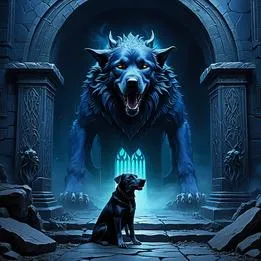
Cerberus Dream Meaning

The three-headed hound guarding the underworld's entrance, symbolizing boundaries, protection, and the unconscious mind's threshold.

Common Appearances & Contexts

Context Emotion Interpretation
Guarding a door Anxiety Blocked from progress.
Petting Cerberus Courage Mastering inner fears.
Fleeing from Cerberus Terror Avoiding confrontation.
Cerberus sleeping Relief Temporary reprieve.
Feeding Cerberus Control Managing the obstacle.
Cerberus wounded Pity Guardian weakened.
Cerberus barking Alarm Warning of danger.
Cerberus chained Security Contained threat.
Cerberus transforming Confusion Changing nature.
Cerberus leading Trust Following guardian.
Cerberus ignoring Neglect Unheeded warnings.
Cerberus multiplying Overwhelm Escalating challenges.

Interpretive Themes

Cultural Lenses

Jungian Perspective

View Context →

Archetypal shadow guardian of the unconscious threshold. Represents the multi-faceted nature of repressed material that must be integrated for psychological wholeness and individuation.

Freudian Perspective

View Context →

Symbol of repressed instincts and forbidden desires guarded by the superego. The three heads represent conflicting drives (id, ego, superego) or sexual/aggressive impulses kept from consciousness.

Gestalt Perspective

View Context →

Projection of the dreamer's own protective or obstructive aspects. Each head represents different parts of self in conflict or collaboration, asking 'What part of me is Cerberus?'

Cognitive Perspective

View Context →

Mental representation of overwhelming cognitive load or decision paralysis. The three heads symbolize competing thoughts, options, or problem-solving approaches requiring integration.

Evolutionary Perspective

View Context →

Adaptive fear response to boundary threats. Represents ancestral memory of territorial guardians, danger assessment systems, and survival mechanisms for navigating liminal spaces.

European Perspective

View Context →

Greek/Roman underworld guardian from Hesiod and Virgil. Historically symbolizes death's threshold, heroic trials (Heracles), and medieval allegories of hell's gatekeeper in Christian tradition.

Modern Western Perspective

View Context →

Pop culture symbol of formidable obstacles in games/literature. Represents complex systems, bureaucratic gatekeeping, or multi-faceted challenges requiring strategic navigation in contemporary life.

East Asian Perspective

View Context →

Parallels to komainu temple guardians and multi-headed Buddhist protectors. In modern context, represents disciplined protection of sacred spaces or overwhelming responsibilities in work/life.

Middle Eastern Perspective

View Context →

Echoes ancient Mesopotamian guardian figures like lamassu. Symbolizes divine protection of thresholds, with modern interpretations as cultural guardians preserving traditions against external influences.

African Perspective

View Context →

Similar to multi-headed guardian spirits in Yoruba/Dogon traditions. Represents ancestral protection of community boundaries, with modern context as defender of cultural identity and collective memory.

South Asian Perspective

View Context →

Resonates with multi-headed deities like Brahma or guardian yakshas. Symbolizes divine omniscience protecting dharma's boundaries, with contemporary meaning as conscience guarding moral thresholds.

Global/Universal Perspective

View Context →

Cross-cultural threshold guardian archetype. Historically appears in underworld myths worldwide; modern universal symbol for psychological, spiritual, or literal boundaries requiring respect or negotiation.

AI-Powered

Interpret Your Full Dream

Beyond this symbol, every dream carries a unique story. Share your dream for a personalized AI-powered interpretation.