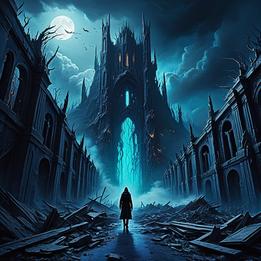
Cataclysm
A sudden, violent upheaval or disaster of immense scale, often representing profound transformation, destruction, or the collapse of existing structures.
Cataclysm Dream Meaning
A sudden, violent upheaval or disaster of immense scale, often representing profound transformation, destruction, or the collapse of existing structures.
Interpretive Themes
Cultural Lenses
Jungian Perspective
View Context →Represents eruption of unconscious contents, collective shadow material, or archetypal forces overwhelming the ego. Signals necessary psychic reorganization and confrontation with the Self's transformative power.
Freudian Perspective
View Context →Symbolizes repressed aggressive or sexual impulses breaking through ego defenses. May represent fear of punishment for taboo desires or the destructive power of unexpressed drives.
Gestalt Perspective
View Context →Represents disowned aspects of self demanding integration. The cataclysm is the dreamer's own fragmented parts creating chaos to force awareness and wholeness.
Cognitive Perspective
View Context →Manifests catastrophic thinking patterns, anxiety about worst-case scenarios, or brain processing overwhelming stressors through exaggerated metaphorical imagery.
Evolutionary Perspective
View Context →Activates ancient survival circuits for threat detection. Prepares psyche for rapid adaptation to environmental changes or social upheavals through vivid rehearsal scenarios.
Global/Universal Perspective
View Context →Cross-cultural symbol of divine wrath, cosmic balance restoration, or inevitable cycles of creation/destruction. Appears in flood myths, apocalypse narratives, and renewal rituals worldwide.
East Asian Perspective
View Context →Often represents imbalance in yin-yang forces or disruption of cosmic harmony (Dao). In Buddhist contexts, symbolizes impermanence (anicca) and the necessity of detachment from worldly forms.
South Asian Perspective
View Context →Connected to Hindu concepts of pralaya (cosmic dissolution) between kalpas. Represents Shiva's destructive aspect clearing space for Brahma's creation, and karmic reckoning.
Middle Eastern Perspective
View Context →Evokes Abrahamic flood narratives and eschatological traditions. Symbolizes divine judgment, purification of corruption, and testing of faith through overwhelming trials.
European Perspective
View Context →Draws from Norse Ragnarök, Greek titanomachia, and medieval plague imagery. Represents civilizational collapse, heroic testing grounds, and romantic sublime encounters with nature's power.
African Perspective
View Context →Often appears in initiation rituals as symbolic death/rebirth. Represents ancestral forces reshaping community structures or nature spirits expressing displeasure with human actions.
Modern Western Perspective
View Context →Frequently manifests as climate anxiety, economic collapse fears, or technological singularity concerns. Reflects postmodern fragmentation and loss of meta-narratives providing stability.
Want a deeper analysis?
Get a personalized interpretation of your entire dream including this symbol.
Interpret My DreamCommon Appearances & Contexts
| Context | Emotion | Interpretation |
|---|---|---|
| Context Natural disaster approaching | Emotion Dread | Interpretation Impending life change |
| Context Surviving aftermath | Emotion Resilience | Interpretation Inner strength revealed |
| Context Watching destruction unfold | Emotion Detachment | Interpretation Observing personal collapse |
| Context Causing cataclysm | Emotion Guilt | Interpretation Unconscious destructive power |
| Context Escaping destruction | Emotion Relief | Interpretation Avoiding necessary change |
| Context Rebuilding after | Emotion Hope | Interpretation Constructing new foundations |
| Context Warning others | Emotion Urgency | Interpretation Unheeded inner wisdom |
| Context Being consumed | Emotion Acceptance | Interpretation Surrendering to transformation |
| Context Divine punishment | Emotion Shame | Interpretation Moral reckoning fears |
| Context Cosmic event | Emotion Awe | Interpretation Transcendent perspective shift |
| Context Historical repetition | Emotion Fatalism | Interpretation Cyclical life patterns |
| Context Technological collapse | Emotion Anxiety | Interpretation Modern dependency fears |
Interpret Your Full Dream
Beyond this symbol, every dream carries a unique story. Share your dream for a personalized AI-powered interpretation.