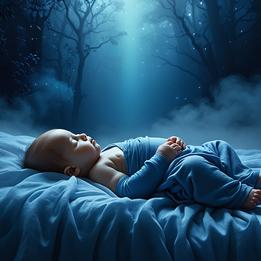
Calm
A state of tranquility, peace, and stillness, often representing inner harmony, resolution of conflict, or a pause in life's journey.
Calm Dream Meaning
A state of tranquility, peace, and stillness, often representing inner harmony, resolution of conflict, or a pause in life's journey.
Interpretive Themes
Mythological Resonance
Avalokiteshvara
BuddhistBodhisattva of compassion who hears the cries of the world yet remains in perfect calm, embodying serene action.
Hypnos
GreekGod of sleep whose tranquil domain offers respite from turmoil, symbolizing the restorative power of stillness.
Cultural Lenses
Jungian Perspective
View Context →Represents the Self's equilibrium, integration of anima/animus, or a mandala state. Historically, it signifies individuation progress. Modernly, it's the psyche's self-regulating balance.
Freudian Perspective
View Context →May indicate the id's desires being temporarily satisfied by the ego, or repression creating a false peace. Historically, calm often followed catharsis. Modernly, it can signal sublimation.
Gestalt Perspective
View Context →The dreamer is the calm, representing wholeness or closure of a gestalt. Historically, it completes a psychological figure. Modernly, it's awareness of present-moment integration.
Cognitive Perspective
View Context →Reflects reduced cognitive load, problem-solving success, or schema consolidation. Historically, it aided memory processing. Modernly, it indicates effective coping or mental rest.
Evolutionary Perspective
View Context →Signals safety, lack of threat, or conservation of energy. Historically, calm allowed for social bonding and planning. Modernly, it's a stress-response deactivation.
East Asian Perspective
View Context →In Daoism, it's wu wei (effortless action) and harmony with the Tao. Historically, calm was cultivated in meditation. Modernly, it's valued in practices like qigong and mindfulness.
South Asian Perspective
View Context →In Hinduism and Buddhism, it represents shanti (peace), samadhi (absorption), or nirvana. Historically, it was a spiritual goal. Modernly, it's sought in yoga and meditation.
Middle Eastern Perspective
View Context →In Islamic tradition, it's sakina (divine tranquility) or itmi'nan (heart's contentment). Historically, it came from prayer. Modernly, it's associated with spiritual fulfillment.
European Perspective
View Context →In Stoicism, it's ataraxia (freedom from disturbance). Historically, it was a philosophical ideal. Modernly, it's linked to emotional resilience and rationality.
African Perspective
View Context →Often represents communal harmony, ancestral blessing, or balance with nature. Historically, it followed rituals. Modernly, it's seen in Ubuntu philosophy and collective well-being.
North American Perspective
View Context →In Indigenous traditions, it's connection to land and spirit. Historically, it came from ceremonies. Modernly, it's part of holistic health and environmental mindfulness.
Latin American Perspective
View Context →In traditions like Curanderismo, it's balance of hot/cold energies or limpieza (cleansing). Historically, it restored health. Modernly, it's integrated into wellness practices.
Historical Authorities
Want a deeper analysis?
Get a personalized interpretation of your entire dream including this symbol.
Interpret My DreamThe Oracle's Prediction
Combine multiple symbolsA resolution to a lingering stress or anxiety, leading to improved well-being.
Timeframe
Immediate (Next 48h)
Intensity
Deep
A conflict will find peaceful resolution, restoring harmony.
Timeframe
Lunation (~29 Days)
Intensity
Deep
Common Appearances & Contexts
| Context | Emotion | Interpretation |
|---|---|---|
| Context After a storm | Emotion Relieved | Interpretation Conflict has passed. |
| Context Meditating alone | Emotion Centered | Interpretation Inner focus achieved. |
| Context Calm before storm | Emotion Apprehensive | Interpretation Anticipation of change. |
| Context Smooth sailing | Emotion Confident | Interpretation Journey going well. |
| Context Still waters | Emotion Reflective | Interpretation Deep contemplation phase. |
| Context Silent library | Emotion Focused | Interpretation Mental clarity present. |
| Context Empty room | Emotion Lonely | Interpretation Isolation or solitude. |
| Context Sleeping baby | Emotion Protective | Interpretation Innocence and vulnerability. |
| Context Frozen lake | Emotion Cautious | Interpretation Surface stability, depth hidden. |
| Context Finished task | Emotion Satisfied | Interpretation Accomplishment and closure. |
| Context Gentle breeze | Emotion Refreshed | Interpretation Renewal and lightness. |
| Context Holding breath | Emotion Anxious | Interpretation Temporary forced stillness. |
Interpret Your Full Dream
Beyond this symbol, every dream carries a unique story. Share your dream for a personalized AI-powered interpretation.