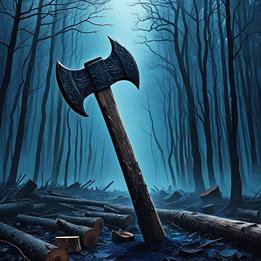
Axe
A tool for cutting or chopping, symbolizing decisive action, separation, or destruction. It represents power, transformation, and the ability to clear obstacles.
Axe Dream Meaning
A tool for cutting or chopping, symbolizing decisive action, separation, or destruction. It represents power, transformation, and the ability to clear obstacles.
Interpretive Themes
Cultural Lenses
Jungian Perspective
View Context →Represents the archetype of the warrior or destroyer. Symbolizes shadow integration, cutting through illusions, or masculine energy (animus). Historically linked to Thor's hammer Mjölnir as divine power.
Freudian Perspective
View Context →Phallic symbol representing masculine aggression, sexual power, or castration anxiety. The act of chopping may symbolize separation from mother or repressed violent impulses.
Gestalt Perspective
View Context →Part of self that cuts away what's unnecessary. The dreamer might be the axe, the wielder, or what's being cut. Represents decisive action or fragmentation of personality.
Cognitive Perspective
View Context →Mental tool for problem-solving. Represents cognitive schemas related to division, decision-making, or threat assessment. May reflect real-life experiences with tools or violence.
Evolutionary Perspective
View Context →Ancient survival tool triggering primal fight-or-flight responses. Symbolizes resource acquisition, territory defense, or social hierarchy. Connects to early human tool use for survival.
Global/Universal Perspective
View Context →Universal symbol of separation and power. Found in creation myths (separating earth/sky), rituals (sacrifice), and daily life (tool). Represents human ability to shape environment.
East Asian Perspective
View Context →In Chinese culture, associated with execution and justice (executioner's axe). In Japan, the ono (axe) appears in Shinto rituals for purification and in samurai symbolism as disciplined power.
South Asian Perspective
View Context →In Hindu mythology, Parashurama's axe represents divine destruction of corrupt rulers. In Buddhism, symbolizes cutting through ignorance. Ritual axes used in some tribal ceremonies.
Middle Eastern Perspective
View Context →Ancient Mesopotamian symbol of authority (royal axes). In Islamic tradition, appears in stories of prophets. Bedouin cultures view axes as essential survival tools in desert life.
European Perspective
View Context →Norse mythology: Thor's hammer-axe hybrid Mjölnir. Celtic cultures: ritual axes in druidic ceremonies. Medieval Europe: execution tool and peasant rebellion symbol (Peasants' Revolt).
African Perspective
View Context →Ceremonial axes in West African kingdoms (Benin, Ashanti) symbolize royal authority. In some cultures, used in initiation rituals. Also practical tool for agriculture and construction.
North American Perspective
View Context →Native American cultures: stone axes as tools and weapons, sometimes ceremonial. Colonial period: symbol of frontier life and deforestation. Modern: survivalist and lumberjack symbolism.
Want a deeper analysis?
Get a personalized interpretation of your entire dream including this symbol.
Interpret My DreamCommon Appearances & Contexts
| Context | Emotion | Interpretation |
|---|---|---|
| Context Chopping wood | Emotion Determination | Interpretation Preparing for challenges. |
| Context Attacking someone | Emotion Rage | Interpretation Uncontrolled aggression. |
| Context Ritual sacrifice | Emotion Fear | Interpretation Ancient ceremonial power. |
| Context Breaking chains | Emotion Liberation | Interpretation Freedom from constraints. |
| Context Felling tree | Emotion Sadness | Interpretation Ending growth phases. |
| Context Weapon in battle | Emotion Courage | Interpretation Facing conflicts directly. |
| Context Tool in workshop | Emotion Focus | Interpretation Crafting or creating. |
| Context Buried in ground | Emotion Anxiety | Interpretation Hidden potential threats. |
| Context Gifted axe | Emotion Pride | Interpretation Receiving authority. |
| Context Rusted axe | Emotion Nostalgia | Interpretation Unused power. |
| Context Splitting rock | Emotion Frustration | Interpretation Overcoming hardness. |
| Context Axe handle breaks | Emotion Shock | Interpretation Loss of control. |
Interpret Your Full Dream
Beyond this symbol, every dream carries a unique story. Share your dream for a personalized AI-powered interpretation.