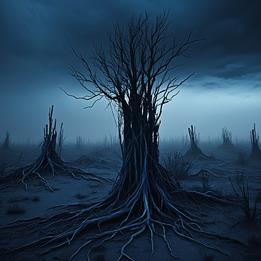
Aridity
Aridity symbolizes emotional or spiritual barrenness, a lack of nourishment, and a state of profound dryness or emptiness.
Aridity Dream Meaning
Aridity symbolizes emotional or spiritual barrenness, a lack of nourishment, and a state of profound dryness or emptiness.
Interpretive Themes
Mythological Resonance
Tantalus
GreekCondemned to stand in a pool of water that recedes when he tries to drink, forever thirsty in a barren landscape, representing spiritual drought and unquenchable longing.
The Desert
BiblicalWhere prophets like Moses and Jesus underwent forty days of fasting and revelation, symbolizing how aridity purges distraction to reveal essential truths.
Cultural Lenses
Global/Universal Perspective
View Context →Universally represents scarcity, survival challenges, and the human struggle against harsh environments. Often appears in creation myths as primordial emptiness before life emerges.
Jungian Perspective
View Context →Represents the Shadow or neglected aspects of the psyche. Aridity indicates a disconnection from the unconscious, requiring integration of repressed material for wholeness and individuation.
Freudian Perspective
View Context →Symbolizes sexual frustration or libidinal energy depletion. The dry landscape represents unconscious repression of desires, with thirst symbolizing unmet instinctual needs.
Gestalt Perspective
View Context →Represents unfinished business or unmet needs in the present moment. The aridity is the dreamer's own creation, showing where they feel incomplete or blocked in self-expression.
Cognitive Perspective
View Context →Reflects cognitive schemas of scarcity or threat. The brain processes real-world stress through desert imagery, representing perceived lack of resources or support systems.
Evolutionary Perspective
View Context →Activates ancient survival fears related to water scarcity. The symbol triggers primal anxiety about resource depletion, reflecting adaptive concerns about sustenance and community survival.
Middle Eastern Perspective
View Context →In desert cultures, aridity represents both divine punishment and spiritual testing. Historically linked to prophetic visions, modern interpretations emphasize resilience and the value of scarce resources.
African Perspective
View Context →In Sahel and Sahara regions, represents ancestral communication and seasonal cycles. Ritually connected to rain dances, modern contexts view aridity as environmental challenge requiring community adaptation.
South Asian Perspective
View Context →In Hindu and Buddhist traditions, symbolizes detachment and ascetic practice. Historically associated with yogic austerities, modern interpretations focus on minimalist living and spiritual purification.
East Asian Perspective
View Context →In Taoist and Zen traditions, represents wu-wei (non-action) and empty mind states. Historically valued in ink painting aesthetics, modern contexts associate with meditation and mental clarity.
Modern Western Perspective
View Context →Often represents burnout, digital overload, and emotional disconnection. Reflects contemporary anxieties about climate change, productivity pressure, and loss of authentic experience in consumer society.
Latin American Perspective
View Context →In Andean and Mesoamerican traditions, represents Pachamama's (Earth Mother) displeasure. Historically addressed through agricultural rituals, modern contexts emphasize ecological balance and indigenous environmental wisdom.
Historical Authorities
Want a deeper analysis?
Get a personalized interpretation of your entire dream including this symbol.
Interpret My DreamThe Oracle's Prediction
Combine multiple symbolsA creative or professional drought will end with unexpected inspiration.
Timeframe
Seasonal (~3 Months)
Intensity
Deep
A period of spiritual dryness will clarify essential values.
Timeframe
Lunation (~29 Days)
Intensity
Deep
Common Appearances & Contexts
| Context | Emotion | Interpretation |
|---|---|---|
| Context Walking in desert | Emotion loneliness | Interpretation Isolation and spiritual search. |
| Context Dry riverbed | Emotion grief | Interpretation Loss of emotional flow. |
| Context Cracked earth | Emotion anxiety | Interpretation Fear of fragmentation. |
| Context Withered plants | Emotion sadness | Interpretation Neglected aspects of self. |
| Context Empty well | Emotion despair | Interpretation Depleted inner resources. |
| Context Dust storm | Emotion confusion | Interpretation Obscured clarity and direction. |
| Context Parched throat | Emotion yearning | Interpretation Unmet needs or desires. |
| Context Bare landscape | Emotion awe | Interpretation Confrontation with stark reality. |
| Context Sun-bleached bones | Emotion acceptance | Interpretation Acknowledgment of what's gone. |
| Context Finding oasis | Emotion hope | Interpretation Potential for renewal. |
| Context Barren garden | Emotion regret | Interpretation Neglected growth opportunities. |
| Context Drought ending | Emotion relief | Interpretation Release from stagnation. |
Interpret Your Full Dream
Beyond this symbol, every dream carries a unique story. Share your dream for a personalized AI-powered interpretation.