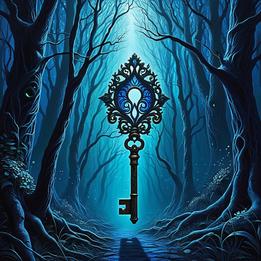
Archetypal Image
A universal, primordial symbol from the collective unconscious that transcends individual experience and carries profound spiritual or mythic meaning.
Archetypal Image Dream Meaning
A universal, primordial symbol from the collective unconscious that transcends individual experience and carries profound spiritual or mythic meaning.
Interpretive Themes
Collective Unconscious
highConnects individual to universal patterns.
Transcendence
highPoints to spiritual or cosmic reality.
Primordial Wisdom
mediumOften feels timeless and authoritative.
Symbolic Integration
mediumProcess of making collective personal.
Mythic Resonance
lowLinks to epic narratives and roles.
Mythological Resonance
The Great Mother
UniversalAn archetypal image of creation, nurturing, and destruction found across global mythologies.
Ouroboros
AlchemicalThe serpent eating its tail, symbolizing eternal cycles, unity, and self-creation.
Cultural Lenses
Jungian Perspective
View Context →Manifestation of the collective unconscious; a primordial image expressing universal human experiences, instincts, and psychic structures that guide individuation and psychological integration.
Freudian Perspective
View Context →Symbolic displacement of repressed unconscious desires, often sexual or aggressive, disguised through dreamwork to bypass censorship, representing wish-fulfillment from personal history.
Gestalt Perspective
View Context →Projection of disowned parts of the self; the dreamer is every element, and the archetypal image represents an aspect of personality needing integration and awareness in the here-and-now.
Cognitive Perspective
View Context →Byproduct of brain's memory consolidation and problem-solving processes; a schema or mental model activated during sleep, organizing experiences into familiar, evolutionarily adaptive patterns.
Evolutionary Perspective
View Context →Adaptive mental template shaped by natural selection; enhances survival and reproduction by encoding recurrent ancestral challenges, such as predator avoidance or social bonding, into intuitive symbols.
Global/Universal Perspective
View Context →Cross-cultural symbols like the Great Mother, Hero, or Trickster appear in myths worldwide, suggesting innate human cognitive structures or shared existential concerns about life, death, and meaning.
East Asian Perspective
View Context →In Daoist and Buddhist contexts, archetypes like the Immortal or Bodhisattva represent enlightened states or cosmic principles, guiding spiritual cultivation and harmony with the Tao or Dharma.
South Asian Perspective
View Context →Deeply rooted in Hindu and Buddhist cosmology; deities like Vishnu or Kali are living archetypes expressing cosmic functions, with rituals and meditation used to invoke their transformative power.
Middle Eastern Perspective
View Context →In Islamic and pre-Islamic traditions, archetypes often appear as prophets, jinn, or sacred geometry, conveying divine messages, moral lessons, or the hidden order of creation in Sufi mysticism.
European Perspective
View Context →From Greek gods to Celtic heroes, archetypes in folklore and literature embody cultural values, historical traumas, and ecological relationships, preserved in epic poetry and seasonal rituals.
African Perspective
View Context →Ancestral spirits, animal totems, and trickster figures like Anansi serve as archetypes connecting communities to lineage, land, and moral teachings through oral storytelling and ritual masquerades.
Modern Western Perspective
View Context →Commercialized in branding and media (e.g., superheroes, mentors), often stripped of sacred context, yet still evoking deep emotional responses in psychology, advertising, and digital storytelling.
Historical Authorities
Want a deeper analysis?
Get a personalized interpretation of your entire dream including this symbol.
Interpret My DreamCommon Appearances & Contexts
| Context | Emotion | Interpretation |
|---|---|---|
| Context Meeting a sage | Emotion Awe | Interpretation Accessing ancient wisdom. |
| Context Climbing a mountain | Emotion Reverence | Interpretation Seeking higher truth. |
| Context Finding a key | Emotion Hope | Interpretation Unlocking collective knowledge. |
| Context Crossing a threshold | Emotion Fear | Interpretation Facing universal transition. |
| Context Holding an orb | Emotion Wonder | Interpretation Grasping cosmic unity. |
| Context Flying unaided | Emotion Liberation | Interpretation Transcending human limits. |
| Context Drowning in ocean | Emotion Terror | Interpretation Overwhelmed by unconscious. |
| Context Being reborn | Emotion Joy | Interpretation Collective renewal process. |
| Context Meeting a shadow | Emotion Dread | Interpretation Confronting universal darkness. |
| Context Receiving a gift | Emotion Gratitude | Interpretation Inheriting ancestral knowledge. |
| Context Losing a path | Emotion Confusion | Interpretation Disconnected from archetypes. |
| Context Building a temple | Emotion Purpose | Interpretation Creating sacred inner space. |
Interpret Your Full Dream
Beyond this symbol, every dream carries a unique story. Share your dream for a personalized AI-powered interpretation.