
Wormwood Star Myth Meaning & Symbolism
A star named Wormwood falls, poisoning the waters, heralding a time of reckoning and the transformation of bitterness into a catalyst for renewal.
The Tale of Wormwood Star
Listen, and hear the sound of the seventh trumpet.
The air, once thick with the prayers of saints, grows still and heavy, a held breath before the breaking of the world. The heavens, that scroll of divine law, are rent. From the tear, a third of the stars are swept away, their cold light extinguished by a hand unseen. And then, a new light appears—not of hope, but of portent.
It is a great star, but unlike any that guides or comforts. It burns with the fervor of a fallen angel, trailing a plume of smoke like a funeral shroud across the firmament. Its name is spoken by the very winds that carry it: Wormwood. It does not twinkle; it bleeds a sullen, greenish fire. It is not fixed in its course but plummets, a divine artillery shot from the ramparts of eternity, aimed at the heart of the world’s rivers.
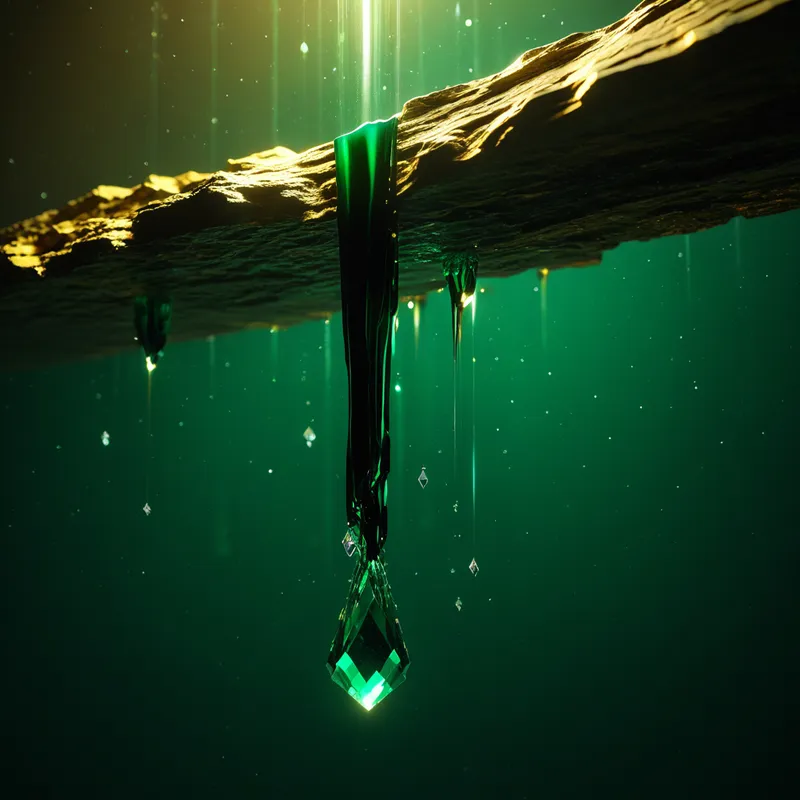
See it fall! It strikes not the earth, but the waters—the great, life-giving veins of the planet. It crashes into the third part of the rivers and the fountains of waters. There is no steam, no great geyser. The star dissolves, a venomous sacrament, into the deep. The clear, sweet water that quenches thirst and gives life to all green things turns. It becomes marah—bitterness.
The people who drink from these poisoned springs do not die in flame or earthquake. They die by the cup. Their bodies revolt at the very essence of life turned against them. The water, now a shimmering, toxic draught, brings a death that is intimate and profound. It is a judgment that enters through the lips, a sentence carried on the tongue. The star’s name becomes the taste in every mouth, the truth in every belly. The world learns that heaven can send not only manna, but gall; not only a guiding light, but a condemning one. And then, the star is gone, its work done, leaving behind a poisoned world and a silence that is the loudest proclamation of all.

Cultural Origins & Context
This stark vision originates from the apocalyptic text known as the Book of Revelation. Composed in a time of severe persecution under the Roman Empire, likely during the reign of Domitian (c. 81-96 CE), it is a work of coded resistance and profound theology. Its author, a figure named John, exiled on the island of Patmos, writes not as a historian but as a prophet-seer, channeling visions of cosmic conflict.
The myth of the Wormwood Star functions within this context as a theodicy—an explanation of divine justice in a world seemingly ruled by oppressive, earthly powers. It was a narrative told in whispers among persecuted communities, a reassurance that their suffering was seen and that the corrupt systems of the world (often symbolized by “the waters” of peoples and nations) would face a reckoning from a source beyond human control. It transformed collective trauma into a cosmic drama, where the bitterness they were forced to swallow would one day be returned to their oppressors, not by human hands, but by the very architecture of creation. The star is an agent of divine rectification, a terrifying but necessary component in the purification of a corrupted order.
Symbolic Architecture
The Wormwood Star is not merely a celestial weapon; it is a dense, multi-layered symbol of psychological and spiritual processes. Its primary material is bitterness made manifest. This is not simple sadness, but the toxic, lingering residue of betrayal, injustice, and unprocessed wrath that poisons the inner wellsprings of the soul.
The poison is not sent to destroy the soul, but to reveal the poison already latent within the waters of a life.
The “waters” it targets are profoundly symbolic. In dream and myth, water represents the emotional and unconscious life—the flow of feeling, intuition, and psychic nourishment. The poisoning of a third of these waters signifies a catastrophic corruption of the emotional substratum of humanity. It is the moment when the collective shadow, the unacknowledged bitterness, hatred, and malice of a culture, rises to the surface and becomes the only drink available. The star, then, is the catalyst that forces this latent toxicity into conscious experience. It represents the unavoidable, often traumatic, confrontation with the bitter truths we have denied or the injustices we have swallowed.
The star is also a cosmic sign. It is a point of light that brings darkness, a guide that leads to death. This paradox speaks to the dual nature of profound revelation: the truth that liberates can also devastate the comfortable illusions we live by. The falling star embodies the shocking descent of a conscious realization—a painful insight, a devastating diagnosis, the collapse of a cherished belief—that irrevocably alters the landscape of one’s inner world.
The Dreamer’s Resonance
When the pattern of the Wormwood Star erupts in the modern dreamscape, it signals a critical phase of psychic detoxification. The dreamer may find themselves beside a polluted river, offered a drink of glowing, foul water, or watching a dark star fall into a familiar lake. The somatic experience is key: a gripping nausea, a metallic taste of fear and revulsion, a profound sense of being poisoned from within.
This dream is not a prophecy of external doom, but a map of an internal process. The “bitter waters” are the emotional patterns, inherited traumas, or core resentments that the dreamer has been unconsciously “drinking” from—perhaps a family narrative of victimhood, a deeply held grievance, or a self-defeating belief that turns all potential nourishment into poison. The falling star is the catalyzing insight or life event that makes this toxicity impossible to ignore any longer. The dream marks the moment when the psyche declares, “This water is killing you. You must stop drinking.”
The psychological process is one of conscious suffering. The bitterness, once an ambient background condition, is now concentrated and presented directly. The dream forces the dreamer to taste the full flavor of their own unresolved shadow material, initiating a necessary, if agonizing, crisis that precedes any possibility of purification.

Alchemical Translation
In the alchemical journey of individuation—the process of becoming psychologically whole—the Wormwood Star represents the crucial stage of nigredo, the blackening. This is the descent into darkness, the confrontation with the prima materia of the soul, which is often experienced as depression, despair, or a crushing sense of meaninglessness.
The star must fall and the waters must be poisoned for the work of transmutation to begin. The bitter cup is the first ingredient in the elixir of the Self.
The myth models this psychic transmutation precisely. First, there is the Catalytic Descent: The star (a transcendent insight or unavoidable crisis) falls into the stagnant waters (the unconscious emotional life). This is the shock that initiates the work. Second, there is the Revelation of Poison: The hidden bitterness is made manifest. What was passively endured becomes actively experienced. The individual must fully acknowledge, “I am poisoned. My inner world is toxic.” This is a brutal but essential honesty.
Finally, there is the Transmutation of the Cup. The goal is not to remove the bitterness, but to transform its function. In alchemy, the poison is often the very substance that, when correctly processed, becomes the medicine. The modern individual undergoing this “Wormwood process” is tasked with holding the bitter experience—the betrayal, the failure, the grief—not as something to be expelled, but as a lapis, a sacred stone of wisdom. The bitterness, fully integrated, loses its toxic power to sicken and instead becomes a tonic of discernment, a catalyst for compassion, and a stark reminder of what is truly life-giving. The star that fell to poison becomes the buried seed from which a new, more resilient consciousness can grow. The rebel archetype here is not one who fights external tyranny alone, but one who rebels against the inner tyranny of unconscious, poisoned patterns, daring to taste the truth, however bitter, as the first step toward crafting a new, authentic source of water.
Associated Symbols
Explore related symbols from the CaleaDream lexicon: