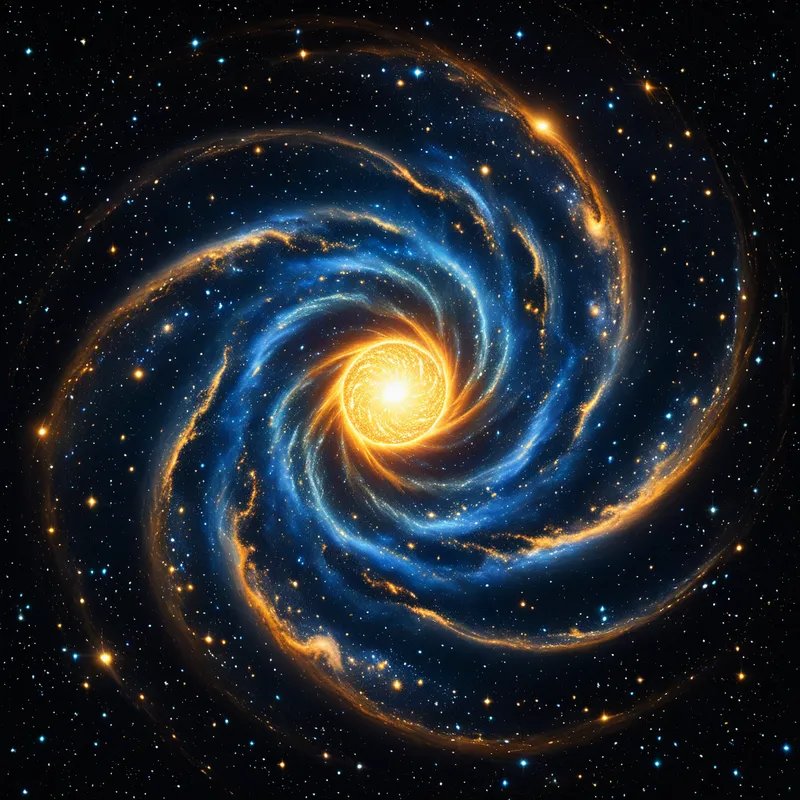
The Vessel Myth Meaning & Symbolism
A myth where the cosmos is forged from the broken body of a primordial being, teaching that wholeness is born from sacred rupture.
The Tale of The Vessel
Listen. Before the wheel of the seasons turned, before the first note of the first song, there was only the Primordial. It was not a god as we know gods, with a face and a will. It was a presence—a vast, dreaming potential of light and shadow, sound and silence, weight and weightlessness. It was everything, and because it was everything, it was also nothing. A perfect, silent, unbearable unity.
And within that unity, a longing stirred. Not a thought, but a deep, resonant hum—the desire for relation. To know itself, it had to see itself. To hear itself, it needed an echo. But in the seamless whole, there was no other, no mirror, no vessel to hold a reflection. The Primordial ached for a world.
So, it made a choice. A choice that was not an action, but a yielding. It gathered its boundless essence—not with hands, for it had none—and began to pour itself out. It was not an attack, but a profound offering. Its light did not shine; it flowed. Its substance did not hold; it dissolved. From the core of its being, a great rupture began, a sacred shattering.
The sound was not one of destruction, but of a chord finally being struck. From the flowing essence, the first distinctions emerged: the fiery, upward rush that became [Sulfur](/myths/sulfur “Myth from Alchemical culture.”/); the flowing, receptive pool that became [Mercury](/myths/mercury “Myth from Roman culture.”/); and the stabilizing, defining body that became Salt. These were not separate things, but the very act of the Primordial’s sacrifice becoming visible.
But raw essence would simply scatter back into [the void](/myths/the-void “Myth from Buddhist culture.”/). It needed a container, a crucible to hold the interplay of these newborn principles. And so, from the very act of its breaking, the shape of the Vessel was born. The curve of its bowl was formed from the arc of the pouring light. Its sturdy base coalesced from the densest, most steadfast parts of the dissolving being. Its interior space was the hollow created by its own absence.
The Artifex, the first conscious spark to emerge from the process, witnessed this. It saw the chaos of potential and the shape that could hold it. With reverence, [the Artifex](/myths/the-artifex “Myth from Alchemical culture.”/) did not try to stop the flow, but guided it. It shaped the Vessel not as a prison, but as a womb. Into this Vessel flowed the cascading rivers of Sulfur’s passion, the deep lakes of Mercury’s intuition, and the rich, particulate dust of Salt’s form.
The Vessel trembled, on the brink of shattering under the immense pressure of containing all that was. But the memory of the Primordial’s choice—the choice for relation over solitude, for the many over the one—was baked into its very clay. It held. It contained. And within its sacred space, the chaotic elements began to dance, to combine, to argue, and to love. They gave birth to stars and stones, to winds and waters, to the crawling [thing](/myths/thing “Myth from Norse culture.”/) and the thinking thing. The cosmos was not built. It was brewed inside the Vessel of a broken god.
Cultural Origins & Context
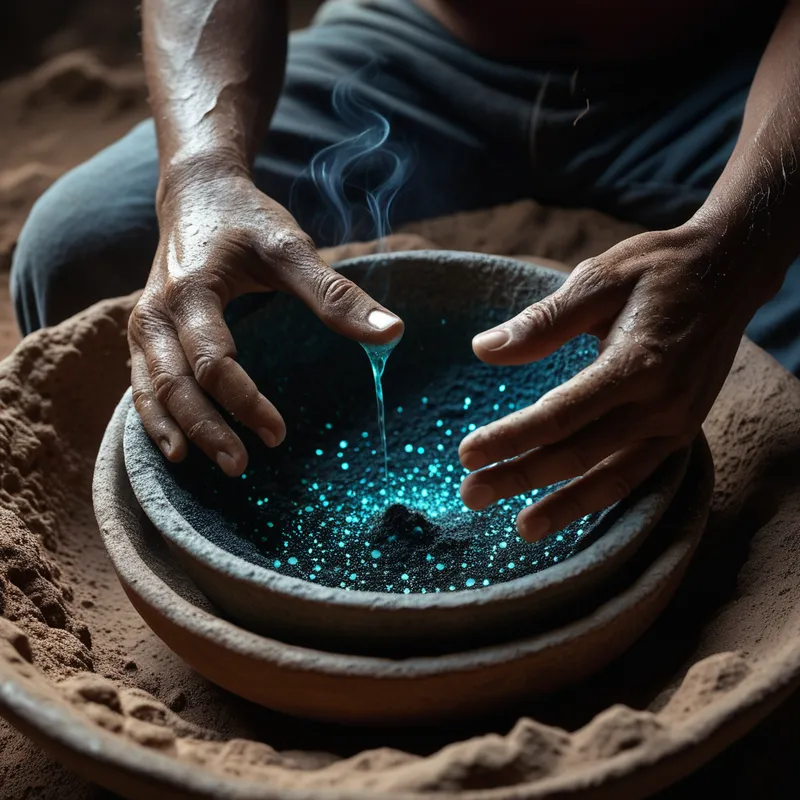
This myth is the foundational narrative of the Alchemical worldview. It was not a story told to children at bedtime, but a sacred mystery recounted during the initiation of adepts into [the Great Work](/myths/the-great-work “Myth from Alchemical culture.”/). It was performed, not merely spoken—often through ritual drama where an initiate would enact the dissolution of the old self and the formation of a new, conscious vessel.
Its origins are obscure, woven from threads of Hermetic thought, medieval laboratory practice, and the deep, introspective psychology of the Renaissance seekers. It functioned as a cosmic justification for [the alchemist](/myths/the-alchemist “Myth from Various culture.”/)’s daily toil. If the universe itself was born in a vessel through a process of dissolution and coagulation, then the alchemist’s flask—the [vas hermeticum](/myths/vas-hermeticum “Myth from Alchemical culture.”/)—was a microcosm of that first, sacred act. The myth provided the spiritual template for the physical work, transforming the smelting of metals into a holy imitation of divine sacrifice.
Symbolic Architecture
At its [heart](/symbols/heart “Symbol: The heart symbolizes love, emotion, and the core of one’s existence, representing deep connections with others and self.”/), the myth of The [Vessel](/symbols/vessel “Symbol: A container or structure that holds, transports, or protects something essential, representing the self, emotions, or life journey.”/) is a map of [consciousness](/symbols/consciousness “Symbol: Consciousness represents the state of awareness and perception, encompassing thoughts, feelings, and experiences.”/) emerging from the unconscious. The Primordial represents the original, unconscious wholeness of the [psyche](/myths/psyche “Myth from Greek culture.”/)—a state of blissful ignorance where no conflict exists because no distinctions do.
The first act of consciousness is not creation, but a willing fragmentation. To know anything, we must first cease to be everything.
The great [rupture](/symbols/rupture “Symbol: A sudden break or tear in continuity, often representing abrupt change, separation, or the shattering of established patterns.”/) is the [birth](/symbols/birth “Symbol: Birth symbolizes new beginnings, transformation, and the potential for growth and development.”/) of ego, the necessary and painful [separation](/symbols/separation “Symbol: A spiritual or mythic division between realms, states of being, or consciousness, often marking a transition or loss of connection.”/) from the oceanic unconscious. This is not a fall from grace, but a sacred sacrifice. The emerging principles of Sulfur ([spirit](/symbols/spirit “Symbol: Spirit symbolizes the essence of life, vitality, and the spiritual journey of the individual.”/), will, desire), [Mercury](/symbols/mercury “Symbol: Mercury symbolizes communication, intellect, and swift movement, often representing the messenger between realms in spiritual and mythological contexts.”/) ([soul](/symbols/soul “Symbol: The soul represents the essence of a person, encompassing their spirit, identity, and connection to the universe.”/), imagination, [connection](/symbols/connection “Symbol: Connection symbolizes relationships, communication, and bonds among individuals.”/)), and [Salt](/symbols/salt “Symbol: Salt represents purification, preservation, and the essence of life. It is often tied to the balance of emotions and spiritual cleansing.”/) ([body](/symbols/body “Symbol: The body in dreams often symbolizes the dreamer’s self-identity, personal health, and the relationship they have with their physical existence.”/), [structure](/symbols/structure “Symbol: Structure in dreams often symbolizes stability, organization, and the framework of one’s life, reflecting how one perceives their environment and personal life.”/), [reality](/symbols/reality “Symbol: Reality signifies the state of existence and perception, often reflecting one’s understanding of truth and life experiences.”/)) are the fundamental components of a differentiated psyche. The Artifex is the emerging conscious mind, which does not cause the [rupture](/symbols/rupture “Symbol: A sudden break or tear in continuity, often representing abrupt change, separation, or the shattering of established patterns.”/) but must guide its chaotic results.
The Vessel itself is the central [symbol](/symbols/symbol “Symbol: A symbol can represent an idea, concept, or belief, serving as a powerful tool for communication and understanding.”/). It is the ego in its highest function: not as a rigid [fortress](/symbols/fortress “Symbol: A fortress symbolizes security and protection, representing both physical and psychological safety from external threats.”/) of [identity](/symbols/identity “Symbol: Identity represents the sense of self, encompassing personal beliefs, cultural background, and social roles.”/), but as a resilient, containing [space](/symbols/space “Symbol: Dreaming of ‘Space’ often symbolizes the vastness of potential, personal freedom, or feelings of isolation and exploration in one’s life.”/). It is the psychological structure that can hold the intense and often conflicting energies of our inner [life](/symbols/life “Symbol: The symbol of ‘Life’ represents a journey of growth, interconnectedness, and existential meaning, encompassing both the joys and challenges that define human experience.”/)—our fiery passions, our fluid emotions, our solid habits—without being destroyed by them. It is the “I” that experiences, synthesizes, and gives form to the raw [material](/symbols/material “Symbol: Material signifies the tangible aspects of life, often representing physical resources, desires, and the physical world’s influence on our existence.”/) of being.
The Dreamer’s Resonance
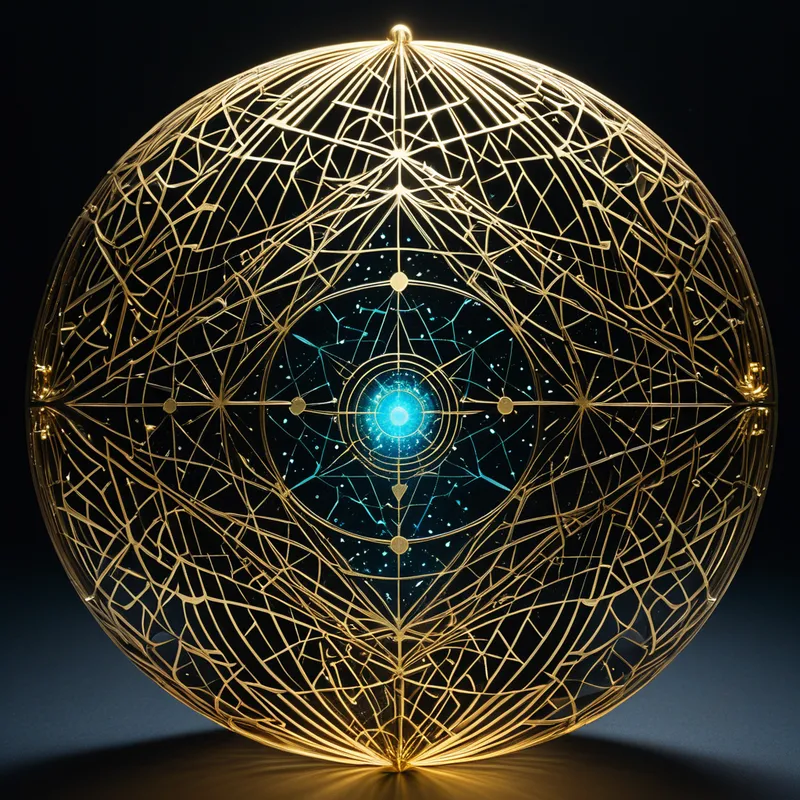
When this myth stirs in the modern unconscious, it often manifests in dreams of profound containment or catastrophic breaking. You may dream of a cherished bowl that cracks, yet holds [water](/myths/water “Myth from Chinese culture.”/) perfectly. Of a room in your house you never knew existed, vast and empty, waiting. Of your own body becoming hollow, filled not with organs but with a swirling, starry night.
These are somatic dreams of the psyche’s restructuring. The feeling is not typically one of fear, but of awe-filled pressure. The dream-ego is undergoing the alchemical [nigredo](/myths/nigredo “Myth from Alchemical culture.”/), a darkening and dissolution. The old, rigid sense of self is being challenged to become more permeable, more capable of holding complexity. The dream of The Vessel signals that the psyche is attempting to forge a more capacious container for an incoming tide of life—be it grief, creative power, love, or spiritual awakening. The cracks you see are not failures, but the expansion joints of a growing soul.
Alchemical Translation
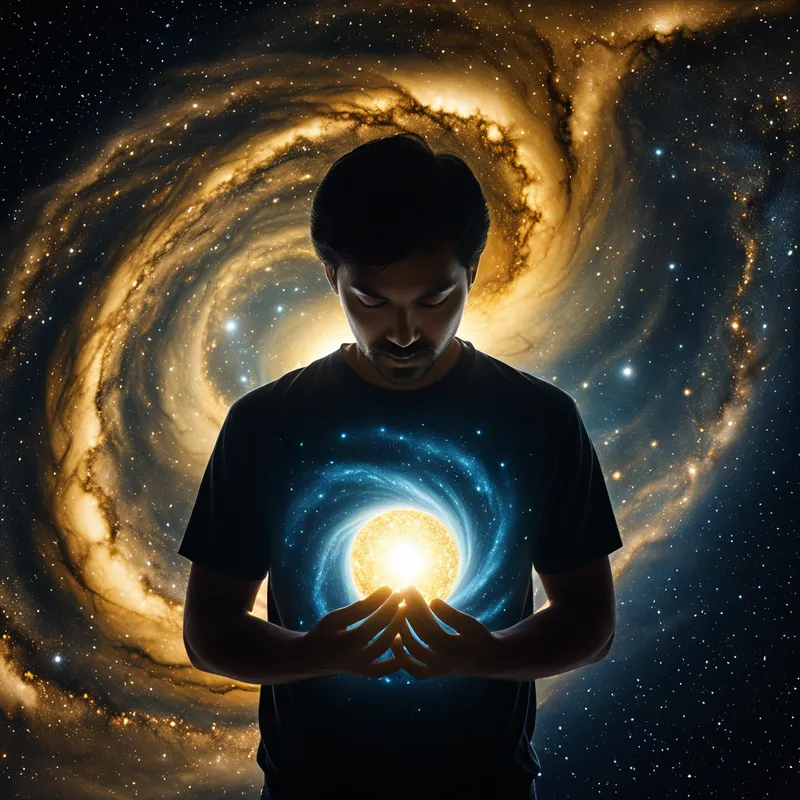
For the individual, the myth models the entire path of individuation. We all begin in a kind of psychic primordium—identified with our family, our culture, our roles. The call to individuation is the first rupture: a feeling of discontent, a sense that there must be “more.” This is the sacred sacrifice of comfortable, unconscious unity.
Our life’s work then becomes the crafting of our own Vessel. We take the raw, often chaotic materials given to us—our innate temperament (Sulfur), our emotional and relational patterns (Mercury), our physical and circumstantial realities (Salt)—and we consciously work to contain them. This is the labor of the Artifex within.
The goal is not to become unbreakable, but to become a shape that can transform pressure into pattern, and fragmentation into a more complex unity.
The trials of life—loss, failure, conflict—are the fires that temper this Vessel. Each time we consciously endure an inner conflict without disintegrating, without projecting it outward or collapsing into one pole, we strengthen our capacity to contain. We move from being a brittle, closed cup to a resilient, open crucible. Ultimately, the well-crafted Vessel is not what we have, but what we have become. It is the integrated Self, a conscious unity that remembers its origin in sacrifice and whose purpose is to creatively hold the swirling, beautiful chaos of a fully lived life, transforming it into meaning. We do not find wholeness by returning to the silent Primordial, but by becoming the Vessel that can generously contain its own world.
Associated Symbols
Explore related symbols from the CaleaDream lexicon: