The Two Suns Myth Siberian Myth Meaning & Symbolism
A myth where a hero, often a shaman or culture-bringer, must confront and subdue a chaotic second sun to save the world from scorching desolation.
The Tale of The Two Suns Myth Siberian
Listen. In the time before time, when the world was young and the ice sang songs of forming, there were not one, but two suns in the sky. The first was our Father Sun, who traveled his known path with a steady, golden heart, bringing the thaw to the rivers, the green to the taiga, and the salmon to the streams. But the second… the second was a wild child, a furious sibling of flame. It did not follow the path. It raced and staggered across the heavens, burning where it pleased. Its light was not gold, but a searing, jealous white.
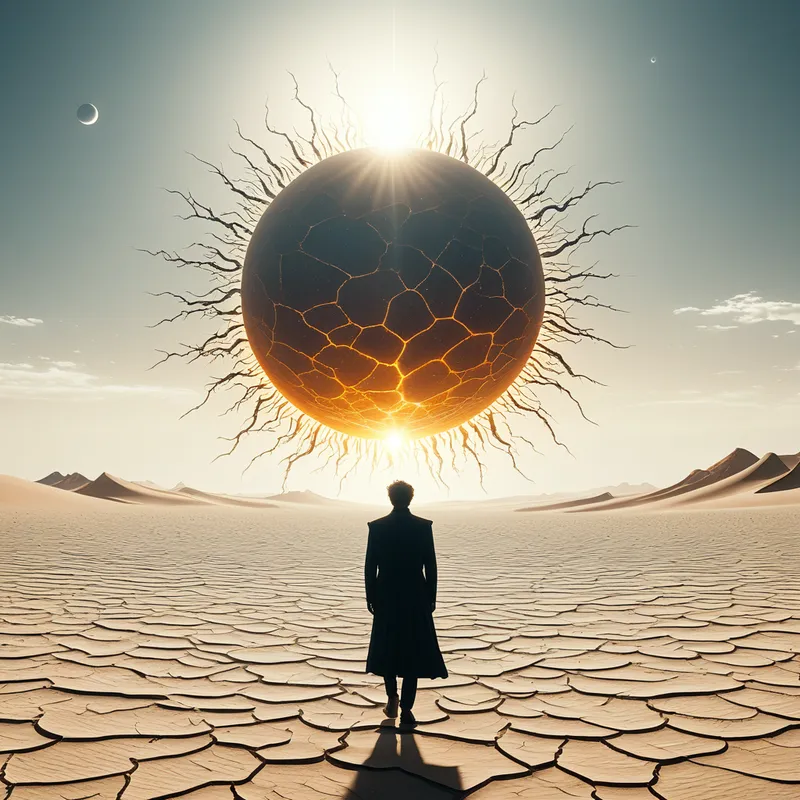
The people and the animals suffered. The snows fled, the rivers boiled to steam, the great forests became kindling. The world was a hide stretched too tight over a fire, cracking and curling at the edges. The spirits of the land wept tears that evaporated before they could fall. The great Master of the Beasts hid his children deep in the earth, where the dark was cool.
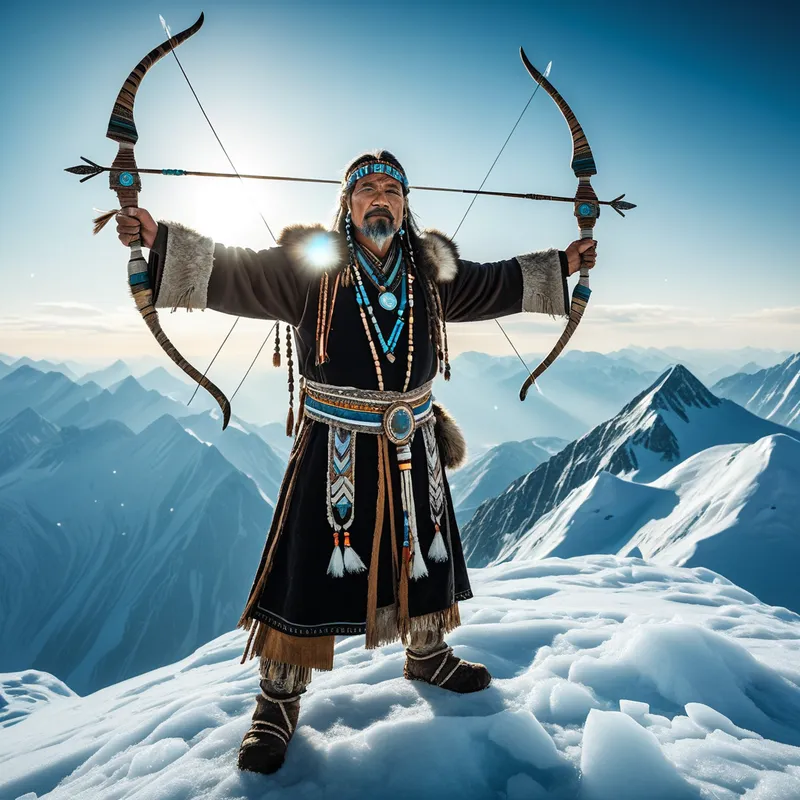
In this scorching despair, a figure arose. He was not the strongest hunter, nor the eldest chief. He was one who walked between: a shaman. He had heard the lament of the World Tree in his dreams, its roots thirsting, its branches aflame. The spirits whispered to him of a way—a terrible, lonely way. He must make a journey not across the land, but into the upper world, to face the chaotic sun itself.
He prepared. He fasted until his bones were light. He drank a brew of bitter roots and heard the drum of his own heart become the hoofbeat of the celestial reindeer. Dressed in a cloak of shadows and the skins of animals who had given themselves willingly, he began to climb. He did not climb a mountain of stone, but the trembling ladder of smoke from a sacred fire, then the rays of the gentle sun, hand over hand, into the dizzying blue.
The air grew thin and sharp. The heat of the rogue sun beat upon him like a physical wall. He found it not as a ball of fire, but as a raging, formless spirit—a being of pure, unchecked incandescence, screaming with the energy of creation gone mad. It had no malice, only a catastrophic lack of order. To look upon it was to feel one’s own mind begin to unravel into light and noise.
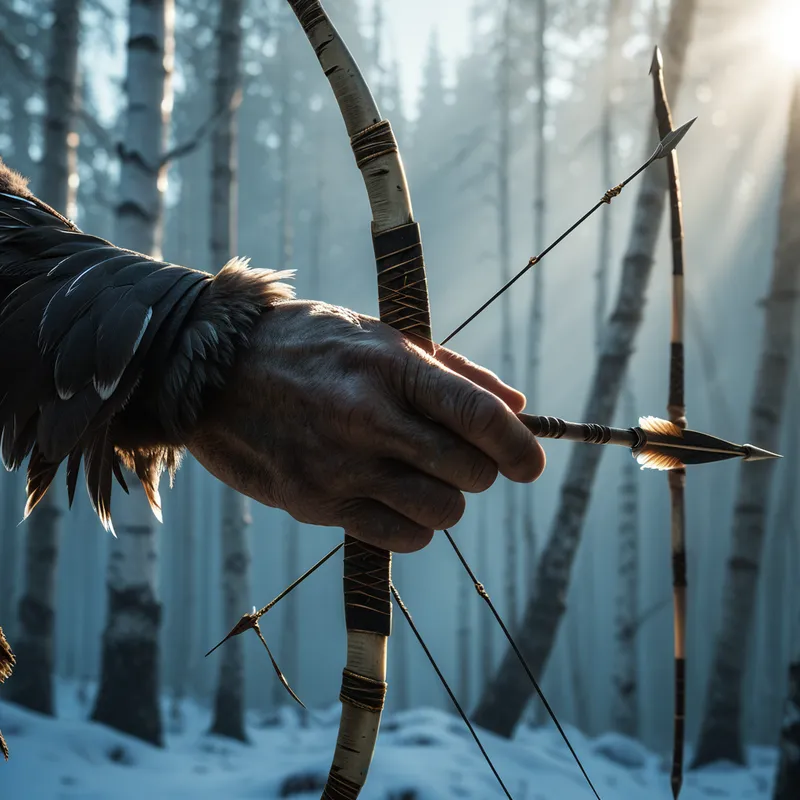
The shaman did not fight with a spear of flint. He fought with a song. He sang the song of the river’s course, of the bear’s hibernation, of the star’s fixed path. He wove a net of rhythm and names, the true names of things: the name of Frost, the name of Shadow, the name of Rest. The chaotic sun roared, repelled by this binding poetry. And from his belt of sinew, the shaman drew not an arrow, but a single, perfect icicle—the last tear of the winter spirit, frozen into a needle of absolute cold.
He did not slay the sun. To destroy a sun is to destroy a part of the world’s soul. Instead, with his final breath of frost, he wounded it. He let fly the icy needle, and it pierced the heart of the chaos. The second sun screamed—a sound that shook the pillars of the sky—and began to fall, bleeding light and heat. It fell and fell, tumbling from the high world, through the middle world, and down into the depths of the lower world. As it fell, its fire cooled, its light dimmed. It struck the cold, dark earth below with a sound like a great door closing, and there it was imprisoned.
The sky was left with one sun—our sun. Its light was gentle, grateful, golden. The shaman, spent and half-blind from the glare, descended. Where he stepped, the first green shoots pushed through the ash. The world breathed a sigh that became the wind. Order was restored, but at a cost. The heat of the second sun now warms the belly of the earth, and on the coldest nights, they say you can feel its imprisoned glow if you press your ear to the frozen ground.
Cultural Origins & Context
This myth finds its roots among the diverse indigenous peoples of Siberia, including the Evenki, Yakut (Sakha), and others whose worldviews are deeply animistic and shamanic. It is a cosmogonic myth, explaining the fundamental order of the cosmos: why we have one sun, why the earth is warm at its core, and why balance is not a given but a hard-won state. It was not a story told for mere entertainment around the fire, but a sacred narrative performed by shamans during rituals, especially those tied to the solstices or times of ecological crisis—droughts or unseasonable heat.
The storyteller was always a mediator: the shaman. In the telling, the shaman would re-enact the journey, his voice becoming the roar of the sun, his body trembling with the effort of the climb. The story served as a psychic map of the tripartite universe (upper, middle, lower worlds) and a validation of the shaman’s role as the community’s defender against cosmic chaos. It reinforced a core cultural truth: that the human, through courage and spiritual knowledge, has a responsibility and an ability to intervene in the very order of the world to ensure collective survival.
Symbolic Architecture
At its heart, the myth is a profound drama of differentiation and the imposition of consciousness upon primal, undifferentiated energy. The two suns represent a fundamental psychic duality.
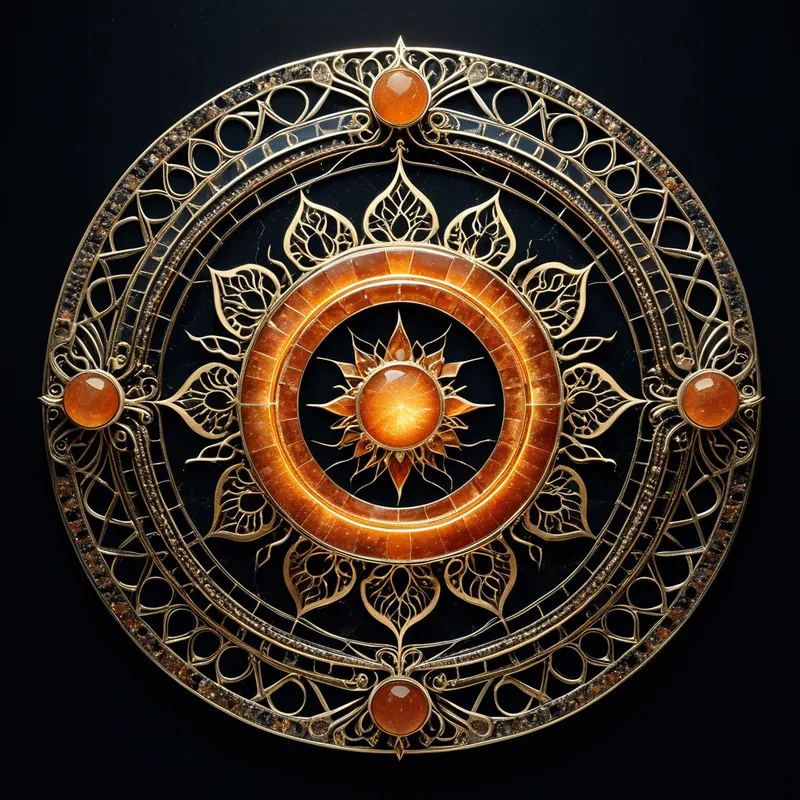
The first sun is the principle of consciousness, order, time, and sustainable life. It is the ego in its mature, reliable form. The second sun is the raw, untamed power of the unconscious—brilliant, creative, but destructive in its unmediated form. It is pure libido, the fire of instinct and archetypal energy that, without a vessel or a path, burns everything it touches.
The hero-shaman represents the nascent Self, the part of the psyche that can engage with this chaotic power. His journey is the classic hero’s journey, but its goal is not conquest, but integration. He does not destroy the second sun; he transforms its relationship to the world. By wounding it and forcing it into the underworld, he internalizes that energy. The chaotic sun becomes the inner fire, the geothermal heart of the individual and the culture—a source of warmth, passion, and vitality that is now contained and accessible, rather than a threat from above.
The Dreamer’s Resonance
When this myth stirs in the modern dreamer, it often manifests as dreams of oppressive heat, double suns, or a blinding, anxiety-inducing light. One may dream of a landscape drying up, of a crucial water source vanishing, or of being pursued by a relentless, glaring presence. Somaticly, this can feel like overheating, heart palpitations, or a sense of psychic “burnout.”
This is the psyche signaling a state of inner “scorching.” It indicates a period where unconscious contents—perhaps repressed rage, unbridled ambition, creative ideas, or sexual energy—are flooding the conscious mind with an intensity it cannot structure or bear. The ego feels threatened by a “second sun” within: a powerful affect or drive that disrupts the normal rhythm of life. The dream is not merely a warning of imbalance, but a call to the inner shaman—the dreaming Self—to undertake the work of mediation. It asks the dreamer: What chaotic, brilliant energy in you is running wild and burning you out? What song of order, what “icy needle” of focused consciousness, must you fashion to bring it into a fruitful relationship with your life?
Alchemical Translation
The myth is a perfect allegory for the alchemical and Jungian process of individuation. The initial state of two suns is the massa confusa, the chaotic primal matter of the psyche where opposites are fused in destructive conflict.
The shaman’s ascent is the sublimatio—the spiritual ascent to confront the raw, divine energy. His song of names is the application of logos (word, meaning) to eros (desire, energy), the beginning of discrimination.
The firing of the icy arrow is the crucial operation of separatio and coagulatio. It separates the destructive aspect of the unconscious fire from its life-giving potential. The “wounding” is a sacred act; it makes the energy fall from its inflated, autonomous state (in the heavens) into the depths of the personal psyche (the underworld). There, it undergoes mortificatio and putrefactio—it “cools,” “dies” as a hostile, external force, and is buried.
Finally, its imprisonment in the earth represents solutio (dissolution into the ground of being) and the promise of albedo and rubedo. The energy is not lost; it is transmuted. It becomes the inner warmth, the passionate conviction, the creative fire that fuels the individual from within. The conscious sun (the ego) now shines in a sustainable sky, but its light is nourished by the hidden, integrated heat below. The individual achieves a state where their immense inner power no longer scorches their world, but secretly, sustainably animates it.
Associated Symbols
Explore related symbols from the CaleaDream lexicon:
- Sun — The central symbol of consciousness, life-force, and the divine; the myth’s conflict revolves around the differentiation of a healthy, ordered consciousness from a chaotic, destructive one.
- Hero — Embodied by the shaman, who undertakes the perilous journey to confront cosmic chaos for the salvation of his people and the restoration of balance.
- Journey — Represents the psychic ascent required to face overwhelming, archetypal forces, moving from the familiar middle world into the dangerous realm of pure energy.
- Sacrifice — The shaman’s offering of his own safety and stability to wound and transform the chaotic sun, a necessary loss for a greater gain in cosmic and psychic order.
- Shadow — The chaotic second sun symbolizes the destructive potential of the unconscious Shadow when it is not integrated but allowed to act autonomously and without limit.
- Fire — The raw, transformative, and dangerous element at the myth’s core; it must be mastered and contained to become a source of life rather than annihilation.
- Mountain — The axis mundi or ladder to the upper world; the challenging path the hero must climb to reach the source of the crisis.
- Earth — The receiver and container of the transformed sun, representing the grounding of psychic energy, the body, and the unconscious depths where transmuted power resides.
- Arrow — The focused, penetrating instrument of consciousness (the icy needle) that delivers the precise wound needed to initiate transformation, symbolizing directed will and insight.
- Dream — The medium through which the shaman receives his calling and instructions, representing the necessary dialogue with the unconscious to address a collective crisis.
- Order — The ultimate goal of the myth’s narrative; the hard-won state of cosmic and psychic balance achieved through courageous intervention and the imposition of lawful pattern onto chaos.
- Rebirth — The world’s renewal after the crisis, and the rebirth of the chaotic energy as a contained, life-giving force within the earth, symbolizing the outcome of successful psychic integration.