The Royal Market of Babylon Myth Meaning & Symbolism
A myth of a divine marketplace where gods trade cosmic fates, testing the worth of mortal souls and the integrity of the world's order.
The Tale of The Royal Market of Babylon
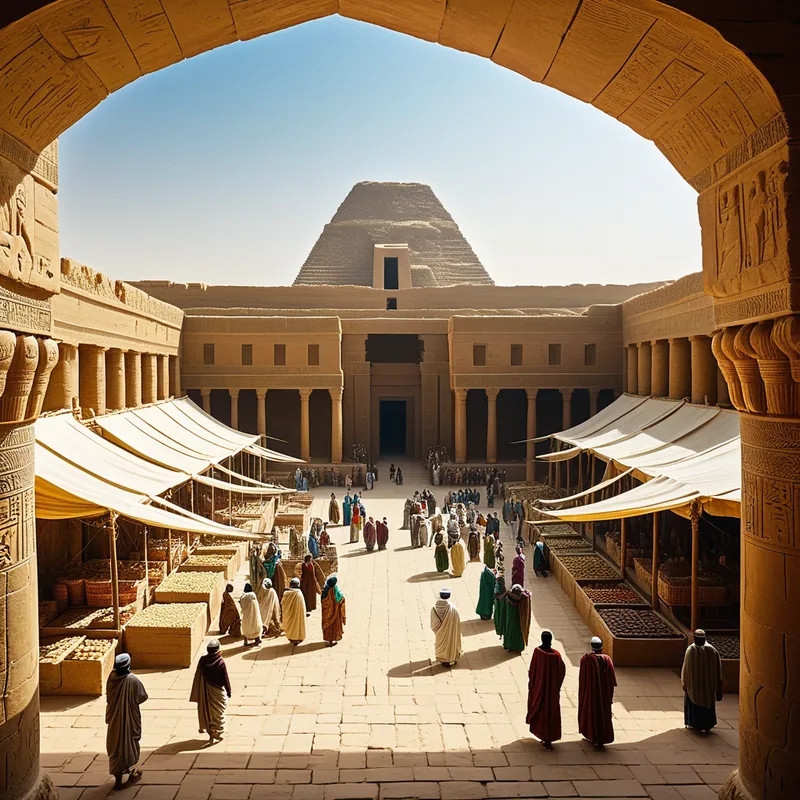
Hear now, and let your spirit travel the Euphrates back to the first days, when the bricks of Babylon were still wet with the breath of the gods. In the heart of the city, where [the shadow](/myths/the-shadow “Myth from Jungian culture.”/) of Etemenanki fell longest, there existed a market unlike any other. This was not a place for the common trade of barley or wool. This was the Royal Market, a plaza paved with celestial intention, where the commerce was of a different order entirely.
Here, under a sky so vast it seemed a bowl of hammered bronze, the very fabric of fate was bartered. The air hummed not with the shouts of men, but with the low murmur of divine negotiation. You would see Nabu, tablet in hand, weighing the value of a king’s legacy against the weight of a well-told lie. [Ishtar](/myths/ishtar “Myth from Babylonian culture.”/) might be present, her stall gleaming with the cold fire of destinies—some leading to thrones, others to heartbreak. And presiding over all, in the center where the paths of [the market](/myths/the-market “Myth from Various culture.”/) crossed, was the silent, implacable presence of Shamash. His light fell upon every transaction, revealing not the surface glitter, but the true substance within.
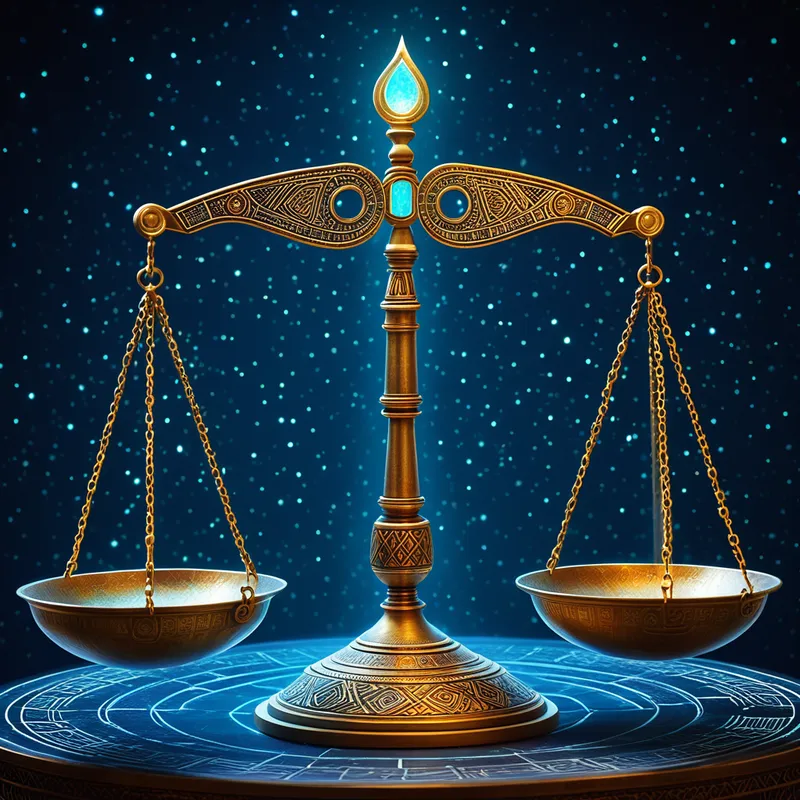
The market’s most profound law was this: the price asked was never in gold or silver. The currency was essence. A merchant offering a vial containing a decade of peace would demand, in return, a measure of the buyer’s courage. A stall displaying a crown that promised unwavering loyalty required the buyer’s capacity for mercy. The scales used were not of brass, but of spirit, and they were balanced by Nergal’s own hand. To cheat here was to unravel the thread of one’s own soul; to pay honestly was to weave one’s essence into the great tapestry of Me.
The tale tells of a proud king, his name lost to [the wind](/myths/the-wind “Myth from Various culture.”/), who came to the market seeking the Melammu, the terrifying radiance of unquestioned authority. The merchant, a figure cloaked in shifting shadows, named his price: “The memory of your first act of compassion.” The king scoffed. What was one faded memory against eternal power? He agreed. The transaction was sealed. He left the market cloaked in dazzling light, his every command obeyed without question.
But as the years passed, a hollowness grew within him. His rule was absolute, yet it felt like moving a statue of himself. He could not recall the face of the servant boy he had once spared, nor the warmth that act had kindled in his chest. His [justice](/myths/justice “Myth from Tarot culture.”/) became cold, mathematical, devoid of the humanity that gives law its meaning. He had gained the symbol of power but had sold the very experience that made power wise. He returned to the market, now a haunted figure amidst the divine glow, seeking to buy back what he had sold. But the stall was gone, and the shadow-merchant was nowhere to be found. The market had his measure, and the transaction was eternal. He was left with the chilling understanding that in the Royal Market of Babylon, you always receive exactly what you pay for.
Cultural Origins & Context
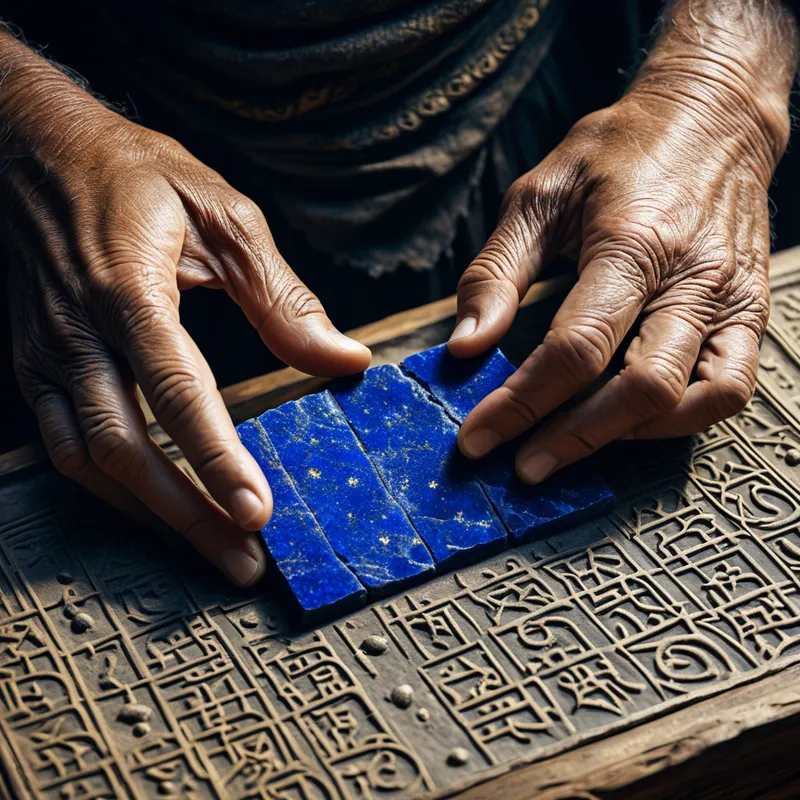
This myth, while not inscribed on a single surviving tablet, is a composite echo of the core Mesopotamian worldview, pieced together from economic texts, hymns, and wisdom literature. Babylon, as the “navel of [the world](/myths/the-world “Myth from Tarot culture.”/),” was seen as the interface between the divine Igigi and the human realm. Its famous markets were microcosms of this cosmic order.
The story functioned as a sophisticated parable told by priests and elders, likely in the shadow of actual bustling bazaars. It served a society deeply engaged in complex trade, credit, and contract law ([the Code of Hammurabi](/myths/the-code-of-hammurabi “Myth from Mesopotamian culture.”/) itself is a testament to this). The myth elevated daily commerce to a cosmic principle, teaching that all exchange—of goods, words, or oaths—carried a spiritual weight. It was a narrative check against greed and deceit, instilling the idea that the gods themselves audited the ledger of the soul. The market was the courtroom of Kittum, and every person, from king to farmer, was a merchant there.
Symbolic Architecture
At its [heart](/symbols/heart “Symbol: The heart symbolizes love, emotion, and the core of one’s existence, representing deep connections with others and self.”/), the Royal Market is the [psyche](/myths/psyche “Myth from Greek culture.”/)’s own forum of valuation. It represents the inner stage where we weigh our desires against our virtues, our ambitions against our integrity.
The Market does not deal in objects, but in relationships. It trades not a thing for a price, but a state of being for a potential of becoming.
The [king](/symbols/king “Symbol: A symbol of ultimate authority, leadership, and societal order, often representing the dreamer’s inner power or external control figures.”/) is the archetypal ego, seeking the glittering prize of [status](/symbols/status “Symbol: Represents one’s social position, rank, or standing within a group, often tied to achievement, power, or recognition.”/), control, and [persona](/symbols/persona “Symbol: The social mask or outward identity one presents to the world, often concealing the true self.”/) (the Melammu). The [shadow](/symbols/shadow “Symbol: The ‘shadow’ embodies the unconscious, repressed aspects of the self and often represents fears or hidden emotions.”/)-merchant is the [shadow](/symbols/shadow “Symbol: The ‘shadow’ embodies the unconscious, repressed aspects of the self and often represents fears or hidden emotions.”/), the keeper of all we have devalued or forgotten. The price—the [memory](/symbols/memory “Symbol: Memory symbolizes the past, lessons learned, and the narratives we construct about our identities.”/) of [compassion](/symbols/compassion “Symbol: A deep feeling of empathy and concern for others’ suffering, often involving a desire to help or alleviate their pain.”/)—is not arbitrary. It is the specific, undervalued part of [the self](/myths/the-self “Myth from Jungian culture.”/) that must be sacrificed to feed [the ego](/myths/the-ego “Myth from Jungian culture.”/)’s [inflation](/symbols/inflation “Symbol: A dream symbol representing feelings of diminishing value, loss of control, or expansion beyond sustainable limits in one’s life or psyche.”/). The dazzling but hollow rule that follows is the [life](/symbols/life “Symbol: The symbol of ‘Life’ represents a journey of growth, interconnectedness, and existential meaning, encompassing both the joys and challenges that define human experience.”/) of the inflated [persona](/symbols/persona “Symbol: The social mask or outward identity one presents to the world, often concealing the true self.”/): effective, perhaps, but utterly disconnected from the [soul](/symbols/soul “Symbol: The soul represents the essence of a person, encompassing their spirit, identity, and connection to the universe.”/)’s authentic substance. The myth warns that [psychic wholeness](/symbols/psychic-wholeness “Symbol: A state of complete integration between conscious and unconscious aspects of the psyche, representing spiritual unity and self-realization.”/) cannot be purchased by selling off its parts.
The Dreamer’s Resonance
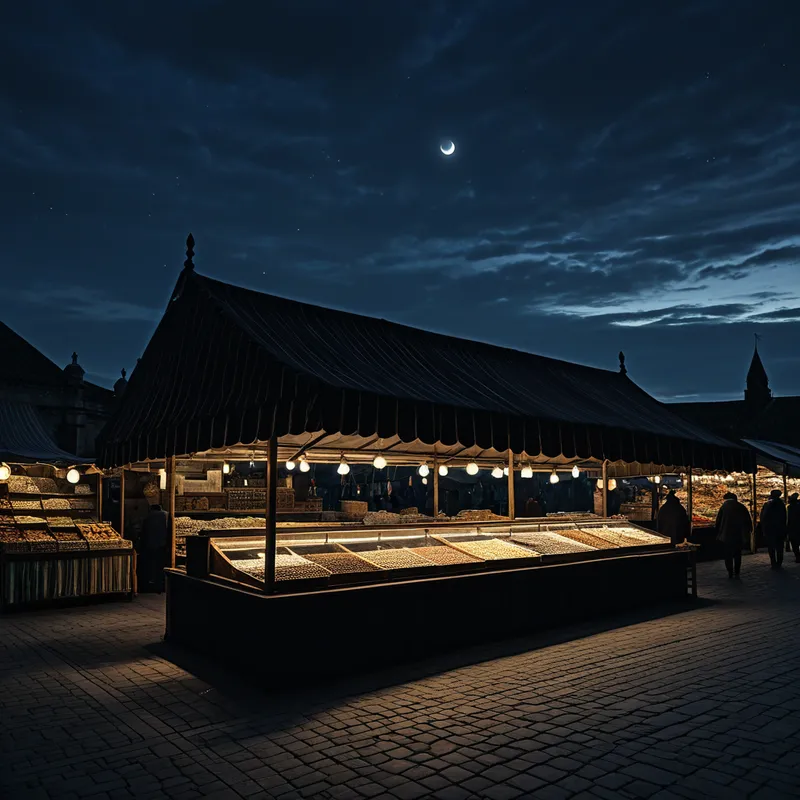
When this myth stirs in the modern unconscious, it often manifests as dreams of marketplaces, auctions, or impossible shops. The dreamer may be frantically trying to buy something crucial with currency that keeps changing—coins turning to leaves, credit cards melting. Or they may be a merchant, desperately trying to sell an item no one wants, which often represents a neglected talent or emotion.
Somatically, this can feel like a tightness in the chest or gut—the body’s ledger registering a deficit. Psychologically, it signals a profound process of self-assessment. The dream-ego is being forced to account for its transactions: What have I traded for my current position? What piece of my authenticity did I barter away for security, approval, or success? The haunting, empty market of the dream reflects the inner emptiness that comes from living a life based on borrowed value, rather than intrinsic worth.
Alchemical Translation
The myth models the alchemical opus, [the great work](/myths/the-great-work “Myth from Alchemical culture.”/) of individuation. The initial state is the naive ego, the king who believes value is external, to be acquired. The negredo, or blackening, is the transaction itself—the willing surrender of a soul-quality (compassion) for a psychic glamour (power). This is the necessary descent, the creation of the “hollow king,” which is a state of profound suffering and disorientation.
The triumph of the myth is not in regaining the lost commodity, but in achieving the knowledge of the Market itself. The goal is to become a conscious merchant of one’s own soul.
The king’s return to the market, his futile search, is the beginning of the albedo, the whitening. It is the dawn of conscious realization. He sees the system. He understands [the law](/myths/the-law “Myth from Biblical culture.”/) of equivalent exchange at a soul-level. The final stage, the [rubedo](/myths/rubedo “Myth from Alchemical culture.”/) or reddening, is not depicted in the tale’s tragic frame, but is implied for the listener. It is the integration of this law into daily life. One ceases to be a reckless spender of the soul’s capital and becomes its wise steward. One enters life’s myriad “markets”—career, relationship, creative endeavor—not to loot, but to engage in transactions that honor the whole self. The ultimate alchemy is realizing that the true Melammu is not the radiance of power-over-others, but the integrated light of a self that has traded nothing essential away. You become, at last, both the honest merchant and the rightful king of your own inner Babylon.
Associated Symbols
Explore related symbols from the CaleaDream lexicon: