The Palace of Aeolus Myth Meaning & Symbolism
The myth of the god who imprisons the winds in his bronze-walled palace, and the fate of those who seek to command the ungovernable.
The Tale of The Palace of Aeolus
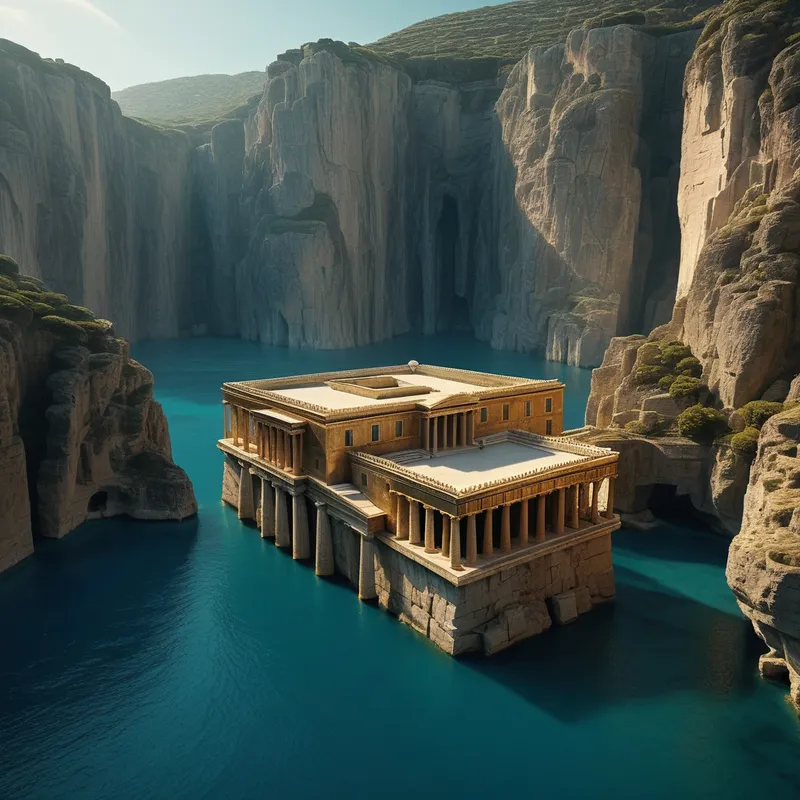
Hear now of the island that drifts, unmoored from [the sea](/myths/the-sea “Myth from Greek culture.”/)’s floor, a fortress of bronze in the wine-dark world. This is the domain of Aeolus, son of Hippotes, friend to the gods. His palace is not of marble, but of beaten metal that sings when the gales press against it. Its walls are high, its foundations deep in the living rock of the floating isle. Here, the raw breath of [the world](/myths/the-world “Myth from Tarot culture.”/) is given shape and name.
Within the echoing halls, the winds are not free. They are his guests, and his prisoners. [Zephyrus](/myths/zephyrus “Myth from Greek culture.”/) whispers of spring meadows, Boreas howls with the voice of ice, Eurus and Notus churn with the memory of deserts and monsoons. Aeolus, the steward, walks among them. With a word, he soothes their tempers; with a gesture, he bids them to the deep caverns beneath his palace, where they sleep fitfully, dreaming of the open sky.
Into this ordered realm came [Odysseus](/myths/odysseus “Myth from Greek culture.”/), breaker of cities, his spirit worn thin by the sea’s cruelty and the loss of his men. Aeolus received him not as a supplicant, but as an honored guest, for he saw the favor of Athena upon him. For a full month, the Ithacan king rested, feasting and telling tales of Troy’s fall, while outside the bronze walls, the world held its breath.
Seeing Odysseus’s longing for home, Aeolus’s heart was moved. He harnessed the winds themselves. Into a great ox-hide bag, stitched with silver cord, he placed all the raging breaths of the world—all but the gentle West Wind, which he set free to fill their sails and blow them straight to Ithaca’s shores. “Guard this with your life,” the Keeper warned, his eyes grave. “Do not loose the cord. This bag contains your destruction and your salvation.”
For nine days and nights, the ship flew across a placid sea, the beloved shores almost a scent on the air. Ithaca’s hills rose in the mind’s eye. Exhausted, Odysseus slept. His men, who had heard the muffled roar from the bag, whispered of treasure—gold and silver given secretly by their host. Greed and suspicion, those old shipmates, clouded their judgment. “He keeps the best spoils for himself,” they muttered. As Odysseus slept the sleep of the nearly-home, they pierced the silver cord.
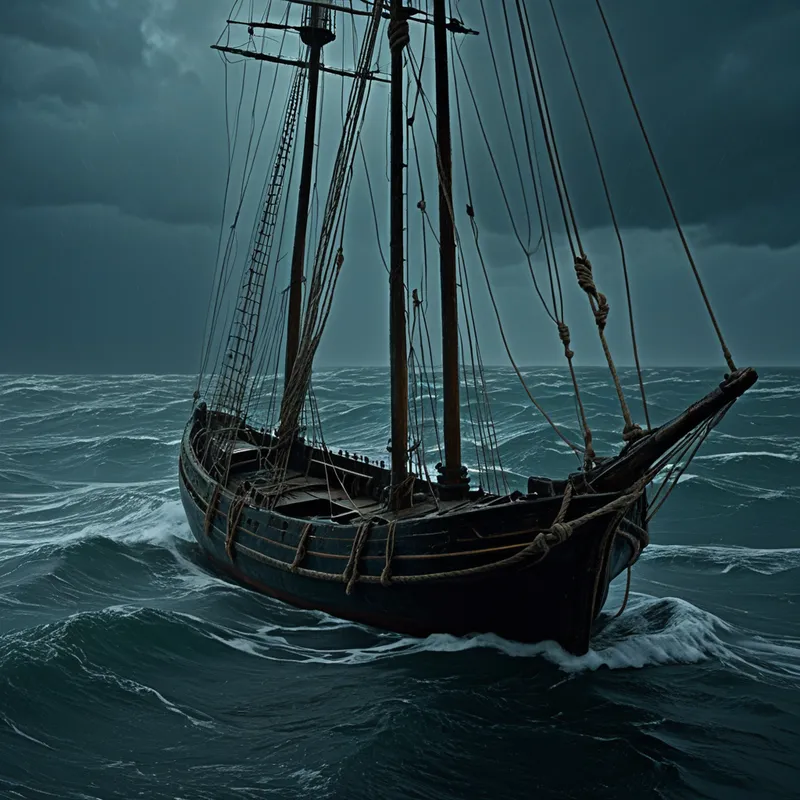
The explosion was not of light, but of chaos unchained. The winds, furious from their imprisonment, burst forth in a screaming vortex. In an instant, the gentle West Wind was overwhelmed. The ship was seized, spun, and hurled back across the vast expanse it had just crossed. The cries of the men were lost in the hurricane’s roar. When [the sky](/myths/the-sky “Myth from Persian culture.”/) finally cleared, there stood the bronze walls of Aeolus’s island, a mocking monument to a gift squandered. This time, the Keeper’s face was like stone. “Begone,” he said. “You who are hated by the blessed gods. I will not aid one whom the heavens themselves have cursed.” And the palace gates shut, forever.
Cultural Origins & Context
This episode from [The Odyssey](/myths/the-odyssey “Myth from Greek culture.”/) is not merely a sailor’s yarn of a storm. It is a foundational parable of the Greek worldview, transmitted for centuries by oral bards before being crystallized by [Homer](/myths/homer “Myth from Greek culture.”/). The story functions on multiple cultural levels. It reinforces the capricious and absolute power of the gods (through their agent, Aeolus) and the fatal consequences of human hubris—here, not of the hero, but of his community. The crew’s disobedience is a failure of the collective, a breakdown in the hierarchical trust essential for survival in the ancient world.
Furthermore, it reflects the Greek understanding of the natural world as a collection of animate, divine forces. The winds are not meteorological phenomena but personalities, daimones, who must be negotiated with, not commanded by mortals. Aeolus’s palace represents the fragile, god-sanctioned border between cosmic order (cosmos) and primal chaos (chaos). His role is that of a mediator, a figure who can temporarily impose nomos (law) upon the wildness of nature, but only under divine authority. The myth served as a warning about the limits of human agency and the peril of mistaking a god’s loan for a mortal’s possession.
Symbolic Architecture
The [Palace](/symbols/palace “Symbol: A palace symbolizes grandeur, authority, and the pursuit of one’s ambitions or dreams, often embodying a desire for stability and wealth.”/) of Aeolus is a profound [symbol](/symbols/symbol “Symbol: A symbol can represent an idea, concept, or belief, serving as a powerful tool for communication and understanding.”/) of the [psyche](/myths/psyche “Myth from Greek culture.”/)’s attempt to manage its own unconscious energies. The bronze walls represent the conscious ego—shining, defensive, and seemingly impregnable. It is the [persona](/symbols/persona “Symbol: The social mask or outward identity one presents to the world, often concealing the true self.”/) we construct to contain the raw, often contradictory, forces of our inner world.
The bag of winds is the most potent symbol: it is the compressed potential of the entire unconscious, all passion, creativity, rage, and desire, bound by a thread of conscious intention.
Aeolus himself is the [archetype](/symbols/archetype “Symbol: A universal, primordial pattern or prototype in the collective unconscious that shapes human experience, behavior, and creative expression.”/) of the inner ruler or steward, the part of the psyche that can, with wisdom and divine [connection](/symbols/connection “Symbol: Connection symbolizes relationships, communication, and bonds among individuals.”/) ([the Self](/myths/the-self “Myth from Jungian culture.”/)), temporarily organize these forces for a specific [purpose](/symbols/purpose “Symbol: Purpose signifies direction, meaning, and intention in life, often reflecting personal ambitions and core values.”/)—in this [case](/symbols/case “Symbol: A case often signifies containment, protection of personal matters, and the need for organization in one’s life.”/), the [journey](/symbols/journey “Symbol: A journey in dreams typically signifies adventure, growth, or a significant life transition.”/) toward wholeness (Ithaca). The [crew](/symbols/crew “Symbol: A crew often symbolizes collaboration, teamwork, and collective purpose, suggesting a need for shared goals and support from others in one’s journey.”/)’s [betrayal](/symbols/betrayal “Symbol: A profound violation of trust in artistic or musical contexts, often representing broken creative partnerships or artistic integrity compromised.”/) symbolizes [the ego](/myths/the-ego “Myth from Jungian culture.”/)’s [shadow](/symbols/shadow “Symbol: The ‘shadow’ embodies the unconscious, repressed aspects of the self and often represents fears or hidden emotions.”/) aspects: envy, greed, and a destructive curiosity that cannot tolerate a [mystery](/symbols/mystery “Symbol: An enigmatic, unresolved element that invites curiosity and exploration, often representing the unknown or hidden aspects of existence.”/) held by another, even if that other is the wiser part of oneself. Their act of opening the bag is the catastrophic failure of containment, where repressed contents erupt and blow the individual far off [course](/symbols/course “Symbol: A course represents direction, journey, or progression in life, often choosing paths to follow.”/), back to the beginning of their psychological ordeal.
The Dreamer’s Resonance
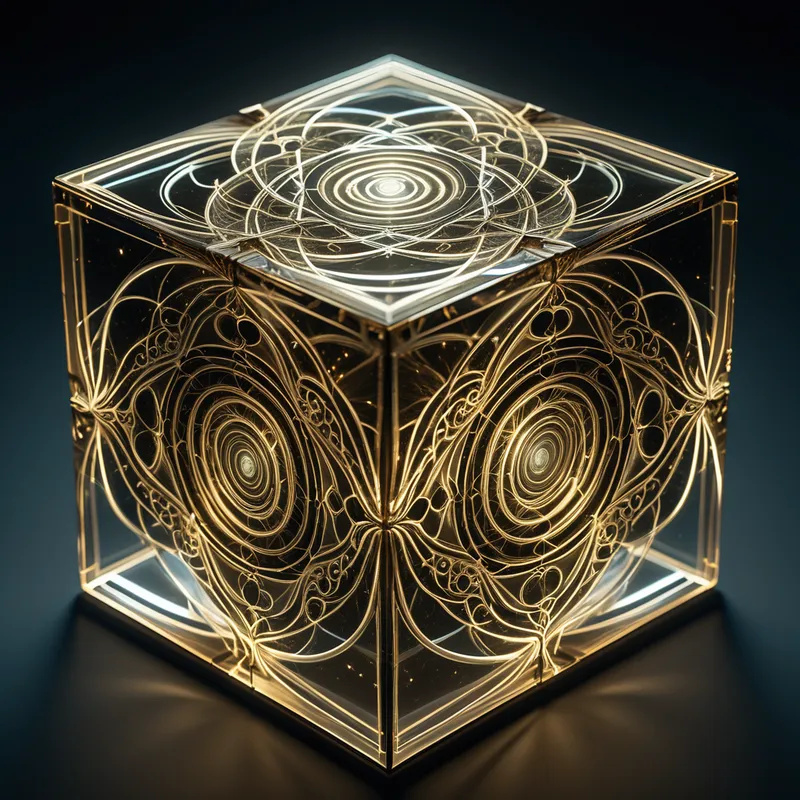
When this myth stirs in modern dreams, it often manifests as dreams of containment failure. The dreamer may find themselves in a high-tech facility or an ancient vault where something vital is kept under pressure. They may be entrusted with a sealed box, a locked room, or a complex control panel they do not fully understand. The somatic feeling is one of acute anxiety and immense responsibility.
The psychological process is one of confronting the tension between control and expression. The dreamer is at a point where they have been given a temporary, precious structure—perhaps a period of calm after therapy, a creative vision, or a hard-won emotional stability. The dream tests their ability to hold that space without letting suspicion (the “crew”) sabotage it. To dream of the winds bursting forth is not necessarily a nightmare of failure, but a powerful communication from the unconscious that a period of forced containment has ended, and a necessary, if chaotic, integration must now be weathered.
Alchemical Translation
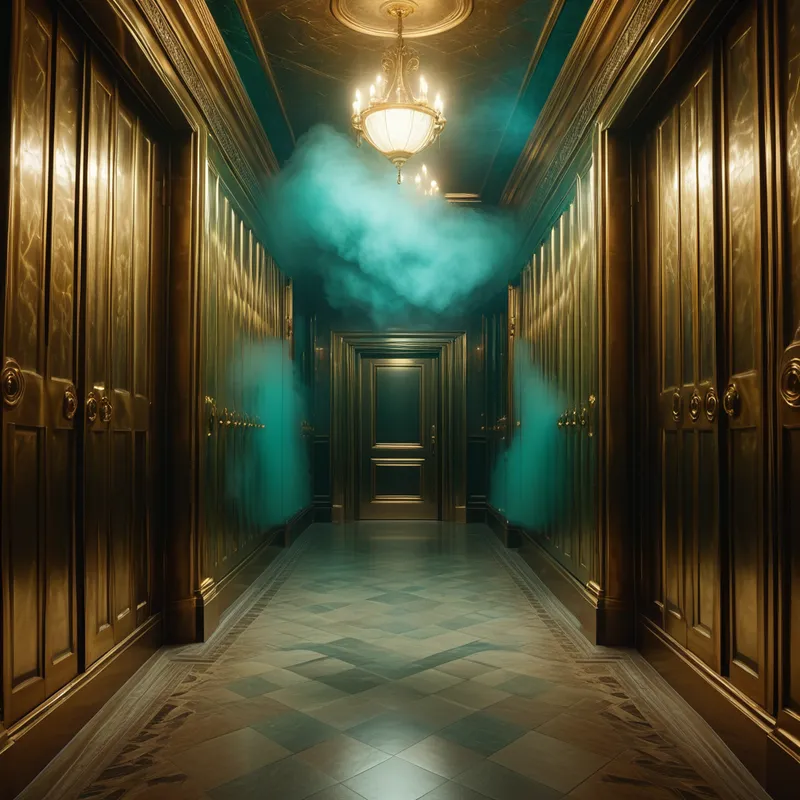
The alchemical journey mirrored in this myth is the stage of coagulatio—the condensation of volatile spirits into a workable substance—followed by a disastrous, but instructive, [solutio](/myths/solutio “Myth from Alchemical culture.”/)—a dissolution back into primal matter. Aeolus performs the coagulatio: he condenses the four winds ([the four elements](/myths/the-four-elements “Myth from Greek culture.”/), the quaternity of the psyche) into a single, portable vessel (the [vas hermeticum](/myths/vas-hermeticum “Myth from Alchemical culture.”/) or sacred [vessel of transformation](/myths/vessel-of-transformation “Myth from Alchemical culture.”/)). This is the gift of the Self: a temporary, integrated state where all opposites are held in dynamic tension, propelling the individual toward the goal.
The individuation process requires one to be both Odysseus and Aeolus—to receive the bound gift of the Self, and to have the wisdom to safeguard it until the journey’s end.
The crew’s betrayal represents the inevitable resistance of the psyche’s lesser, undifferentiated parts. They cannot comprehend the sacred nature of the bound whole; they see only a hidden treasure. Their action forces a regression, a return to the starting point. This is not a final failure, but a crucial part of [the opus](/myths/the-opus “Myth from Alchemical culture.”/). [The alchemist](/myths/the-alchemist “Myth from Various culture.”/)’s first stone often shatters. The lesson is that one cannot simply be given wholeness; one must develop the consciousness (the steadfast, wakeful Odysseus) capable of containing it. The final rejection by Aeolus signifies that the first, easy gift is gone forever. The next stage of the journey—through the land of the Laestrygonians and past Circe’s isle—will be harder, requiring active engagement with the monstrous and enchanting depths, not merely a sealed bag of favors from a kindly king. The true palace of Aeolus is built within, through repeated trials of containment, betrayal, and the slow, painful cultivation of an inner ruler who can converse with the storms.
Associated Symbols
Explore related symbols from the CaleaDream lexicon: