The Great Migration Myth Meaning & Symbolism
A foundational myth of journey, sacrifice, and renewal, where a people guided by divine wisdom traverse a symbolic wilderness to find a promised homeland.
The Tale of The Great Migration
Listen. [The earth](/myths/the-earth “Myth from Hindu culture.”/) remembers. It remembers when the sun was a closer, fiercer cousin, and the rains were forgetful guests. It remembers the thirst in the soil, the whisper of dry leaves where green songs once lived. This is not a story of a single day, but of a turning, a great sigh of [the world](/myths/the-world “Myth from Tarot culture.”/) that called a people to their feet.
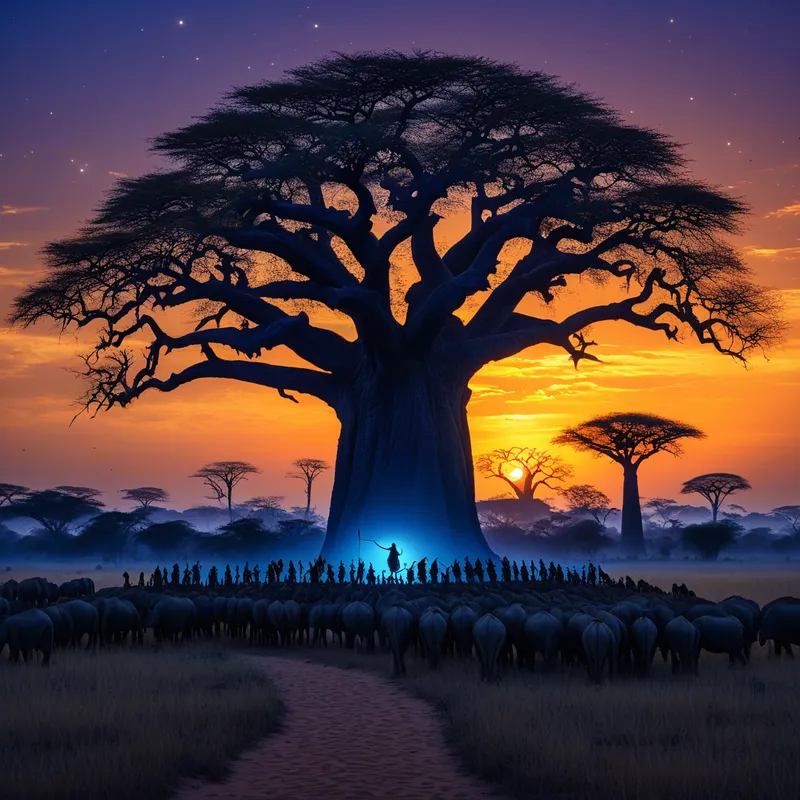
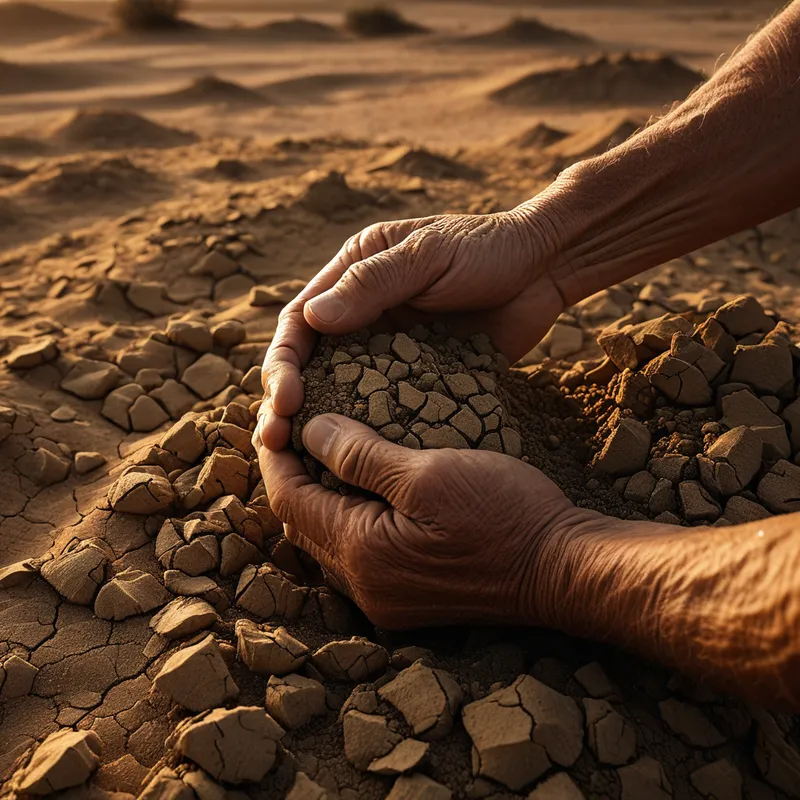
In the beginning, there was the First Land. It was a good place, a place of fat cattle and full granaries, where the laughter of children was the rhythm of the days. But the world shifts on its axis. The Great Dryness came, not as an enemy, but as a stern teacher. The rivers shrank to silver threads. The earth cracked its knuckles. The ancestors, who slept beneath the baobabs, began to speak in the dreams of the elders. Their message was a single, resonant note: Move.
But to move is to leave the bones of your grandmothers. It is to turn your back on [the sacred grove](/myths/the-sacred-grove “Myth from Celtic culture.”/) where your first breath was named. The people were afraid, a fear as deep as a well. Then, the Guide appeared. Some say it was an antelope with horns of polished [moonstone](/myths/moonstone “Myth from Various culture.”/). Others tell of an old woman whose eyes held the map of [the Milky Way](/myths/the-milky-way “Myth from Greek culture.”/). The Guide spoke not to the chiefs alone, but to the herd-boy, to [the potter](/myths/the-potter “Myth from Abrahamic culture.”/), to the mother singing her child to sleep. “The land ahead is promised, but the path is written in sacrifice. Follow the language of the stars, the flight of the birds, the turning of the termite mound. Carry the Living Heart, and do not let its flame die.”
And so, the great body of the people stirred. They became a river of life flowing across the belly of the world. They walked. They walked under a sun that was a bronze gong, and through nights where the cold was a sharp-toothed animal. [The wilderness](/myths/the-wilderness “Myth from Biblical culture.”/) tested them. There were canyons of despair, where some wished to lie down and become dust with their old home. There were mirages of easy [water](/myths/water “Myth from Chinese culture.”/), tempting them to stray. The Living Heart—a flame in a clay pot, a drum, a bundle of sacred seeds—grew heavy. Yet, when a child was born on the path, its first cry was a new name for a place. When an elder passed, they were buried facing the direction of travel, becoming a compass point for those who followed.
The climax was not a battle, but a crossing. A vast, churning river, the River of Separation, barred [the way](/myths/the-way “Myth from Taoist culture.”/) to the green hills shimmering on the far side. The current was strong, hungry. To cross was to trust the depth with your life, to let go of the sure bank. The Guide stood at the water’s edge and said, “[The river](/myths/the-river “Myth from Buddhist culture.”/) will take its tithe. It is the price of becoming new.” One by one, family by family, they entered the singing, dangerous water. Some were gathered by the river; their spirits were said to become the reeds on the new shore. Those who emerged, dripping and reborn, found the sun warming a land of incredible sweetness. The soil was dark and fragrant. The springs were cool and clear. They planted the seeds from the Living Heart, and the first shoots were a green prayer of gratitude. The people were no longer who they had been. They were now the People of the Journey, and the journey itself became their deepest story, etched into bone and song.
Cultural Origins & Context
The motif of The Great Migration is not a single, copyrighted myth but a profound archetypal narrative woven into the oral histories, epic poetry, and creation stories of numerous African cultures, from the Maasai and Kikuyu of East Africa to the Bantu-speaking peoples whose expansions shaped the continent. It was not merely a record of physical displacement but a cosmological event. It was told by griots, elders, and grandmothers at the fire, not to chronicle dates, but to encode identity, law, and ecological wisdom.
Its societal function was multifaceted. It was a “charter myth” that explained a people’s right to their land—not by conquest, but by divine ordeal and guided destiny. It established the sacred connection between a community and its environment, detailing the signs (bird migrations, star positions, plant life) that were essential for survival. Most importantly, it was a machine for building resilience. By constantly recounting the trials of the ancestors, it prepared the living for future droughts, conflicts, and hardships, framing struggle as an intrinsic, sacred part of the community’s soul-story. The myth taught that home is not just a place you find, but a truth you carry and enact.
Symbolic Architecture
At its core, the myth is a grand [metaphor](/symbols/metaphor “Symbol: A figure of speech where one thing represents another, often revealing hidden connections and deeper truths through symbolic comparison.”/) for the [soul](/symbols/soul “Symbol: The soul represents the essence of a person, encompassing their spirit, identity, and connection to the universe.”/)‘s necessary [journey](/symbols/journey “Symbol: A journey in dreams typically signifies adventure, growth, or a significant life transition.”/) from a known, but depleted, state of being toward a more complex and fertile wholeness. The First Land represents the initial, unconscious [paradise](/symbols/paradise “Symbol: A perfect, blissful place or state of being, often representing ultimate fulfillment, harmony, and transcendence beyond ordinary reality.”/)—the comforts of the familiar ego, outdated traditions, or psychological stagnation. It is good, but it can no longer sustain growth.
The Great Dryness is the call of the Self, the psychic drought that makes the status quo unbearable. It is the divine discontent that initiates all transformation.
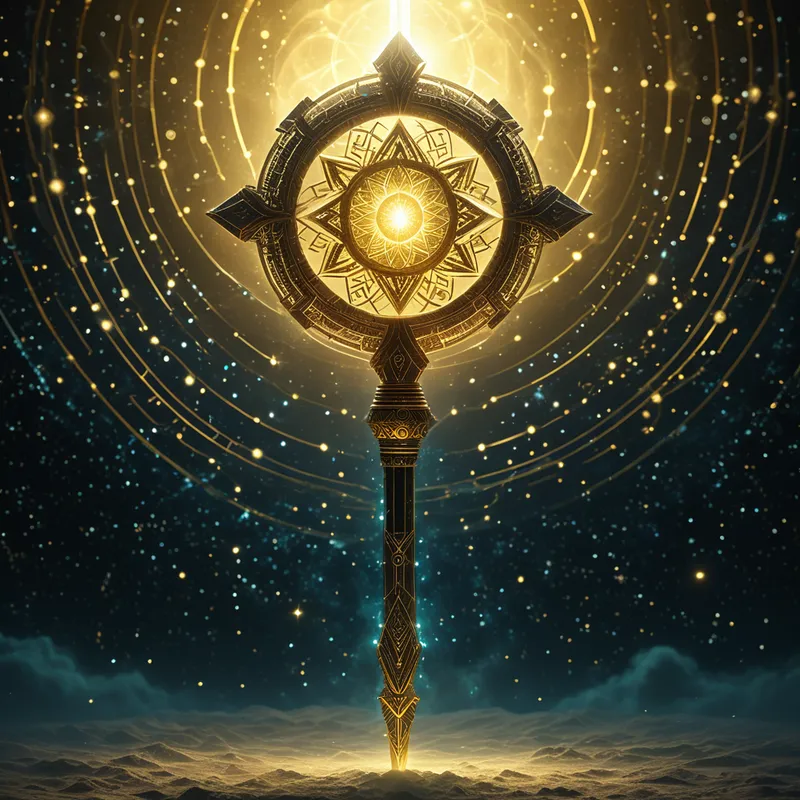
The Guide is the manifestation of [intuition](/symbols/intuition “Symbol: The immediate, non-rational understanding of truth or insight, often described as a ‘gut feeling’ or inner knowing that bypasses conscious reasoning.”/) and ancestral wisdom—the [inner voice](/symbols/inner-voice “Symbol: A spiritual or subconscious guide representing intuition, conscience, or higher self, often seen as a connection to divine wisdom or ancestral knowledge.”/) that knows the [path](/symbols/path “Symbol: The ‘path’ symbolizes a journey, choices, and the direction one’s life is taking, often representing individual growth and exploration.”/) when the conscious mind is terrified. It represents the [connection](/symbols/connection “Symbol: Connection symbolizes relationships, communication, and bonds among individuals.”/) to a transpersonal intelligence, the guiding function of the unconscious. The Living [Heart](/symbols/heart “Symbol: The heart symbolizes love, emotion, and the core of one’s existence, representing deep connections with others and self.”/) is the precious, fragile core of [identity](/symbols/identity “Symbol: Identity represents the sense of self, encompassing personal beliefs, cultural background, and social roles.”/) and values that must be preserved through change. Psychologically, it is the essential spark of individuality, one’s core ethics and creative [spirit](/symbols/spirit “Symbol: Spirit symbolizes the essence of life, vitality, and the spiritual journey of the individual.”/), which must be guarded on the journey of [life](/symbols/life “Symbol: The symbol of ‘Life’ represents a journey of growth, interconnectedness, and existential meaning, encompassing both the joys and challenges that define human experience.”/).
The [wilderness](/symbols/wilderness “Symbol: Wilderness often symbolizes the untamed aspects of the self and the unconscious mind, representing a space for personal exploration and discovery.”/) is the liminal [space](/symbols/space “Symbol: Dreaming of ‘Space’ often symbolizes the vastness of potential, personal freedom, or feelings of isolation and exploration in one’s life.”/) of transformation, the “[night](/symbols/night “Symbol: Night often symbolizes the unconscious, mystery, and the unknown, representing the realm of dreams and intuition.”/) sea journey” where the old self is broken down and reorganized. The [River](/symbols/river “Symbol: A river often symbolizes the flow of emotions, the passage of time, and life’s journey, reflecting transitions and movement in one’s life.”/) of [Separation](/symbols/separation “Symbol: A spiritual or mythic division between realms, states of being, or consciousness, often marking a transition or loss of connection.”/) is the ultimate threshold, symbolizing the irrevocable commitment to change. The “tithe” it demands is the final sacrifice of the old identity; one cannot cross without surrendering something precious. The new land is the achieved state of greater [consciousness](/symbols/consciousness “Symbol: Consciousness represents the state of awareness and perception, encompassing thoughts, feelings, and experiences.”/), [integration](/symbols/integration “Symbol: The process of unifying disparate parts of the self or experience into a cohesive whole, often representing psychological wholeness or resolution of internal conflict.”/), and vitality—not an end to striving, but a new, more nourishing ground from which to grow.
The Dreamer’s Resonance
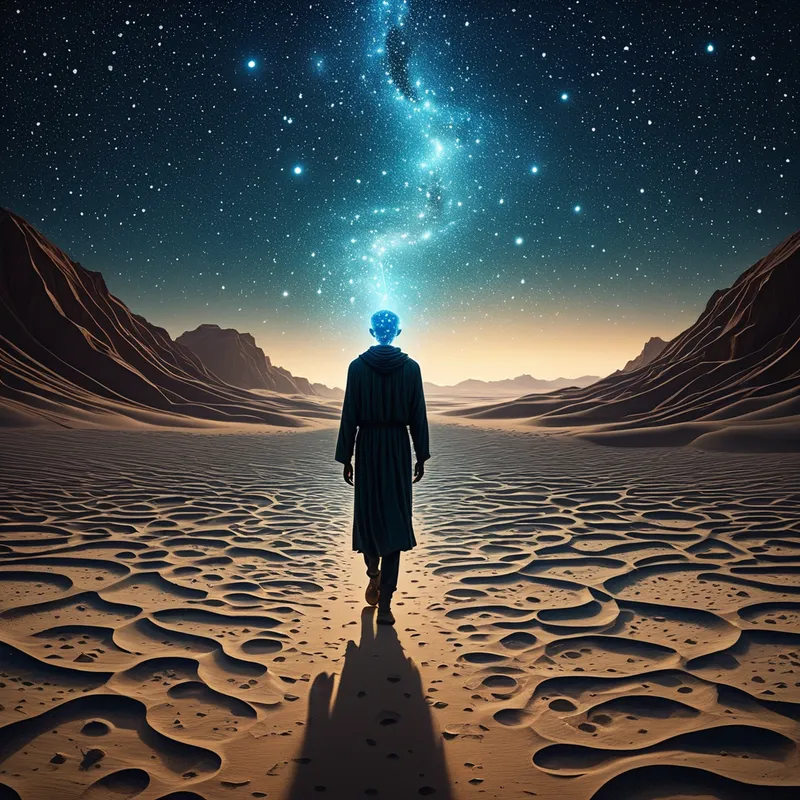
When this myth stirs in the modern dreamer, it often manifests as dreams of momentous journeys, exodus, or being part of a vast, purposeful movement. One may dream of leading a family through a stark, beautiful landscape, of desperately protecting a small flame or a box of precious items, or of standing before a formidable natural barrier like a raging river or a mountain pass.
Somatically, this can correlate with feelings of restless energy, a literal “itch in the feet,” or anxiety centered in the gut—the body sensing it is on the brink of a life transition. Psychologically, these dreams surface during periods of profound change: leaving a hometown, changing careers, ending a relationship, or undergoing a spiritual awakening. The dream is not a prophecy but a reflection. It confirms that the [psyche](/myths/psyche “Myth from Greek culture.”/) is already in motion, engaged in the ancient, internal work of migration. The anxiety in the dream is the echo of the ancestors’ fear at the riverbank; the determination is the memory of their step into the water.
Alchemical Translation
For the individual, the myth models the alchemical process of Individuation. The [prima materia](/myths/prima-materia “Myth from Alchemical culture.”/) (first matter) is the soul in a state of “fertile drought”—comfortable but unfulfilled. The [nigredo](/myths/nigredo “Myth from Alchemical culture.”/) (blackening) is the acknowledgment of the Great Dryness, [the dark night of the soul](/myths/the-dark-night-of-the-soul “Myth from Christian Mysticism culture.”/) where old structures and securities crumble.
The journey itself is the albedo (whitening)—the long, arduous purification. Here, one must learn to heed the inner Guide (intuition) and fiercely protect the Living Heart (core self) from the temptations of regression (the mirages) or despair (the canyons).
The crossing of the River of Separation is the [rubedo](/myths/rubedo “Myth from Alchemical culture.”/) (reddening), the final, bloody sacrifice and commitment. This is the moment of decisive action—handing in the resignation, speaking the hard truth, burning the old bridges. It requires surrendering a part of oneself to the transformative process. What emerges is not simply a new job or home, but a new psychological composition. The “[promised land](/myths/promised-land “Myth from Biblical culture.”/)” is the integrated personality, where the lessons of the journey are embodied. The individual becomes their own griot, understanding that their life narrative is not a series of accidents, but a sacred migration, where every ending is a threshold, and every hardship is a landmark on the soul’s map to its own belonging.
Associated Symbols
Explore related symbols from the CaleaDream lexicon: