The Creation of Humans from Bone Myth Meaning & Symbolism
The gods create humanity from the pulverized bones of the dead, mixed with the blood of divine sacrifice, forging a people of sacred debt.
The Tale of The Creation of Humans from Bone
In the time before time, when the sun was new and the earth lay silent, the gods gathered on the sacred plain of Teotihuacan. They were weary. Four suns had been born and had died, each era ending in cataclysm. Now, the Fifth Sun hung in the sky, but it would not move. It was fixed, a burning jewel, casting an eternal, static noon. Without the sun’s journey, there was no time. Without time, there was no life, no song, no prayer to feed the hearts of the gods.
“Who will bear the burden?” thundered Tezcatlipoca. “Who will nourish the sun and set the world in motion?” The gods looked among themselves. Two stepped forward: the proud, pustular god Tecuciztecatl, adorned in gold and quetzal feathers, and the humble, diseased god Nanahuatzin, whose skin was covered in sores. They prepared for sacrifice. A great pyre was built, a tower of flame that licked the still sky. Tecuciztecatl approached four times, and four times he retreated, terrified by the heat. Nanahuatzin, without hesitation, closed his eyes and ran, casting himself fully into the divine furnace. Shamed, Tecuciztecatl followed. From their ashes, from their transformed essence, the sun and the moon were born and began their eternal chase across the heavens.
But a problem remained. The sun moved, time flowed, yet the earth was empty. There were no beings to honor the gods, to offer the sacred chalchiuhuatl—the precious water, the sustenance of blood and prayer. The gods had given their own to make the world, but a world without witnesses is a song sung into a void.
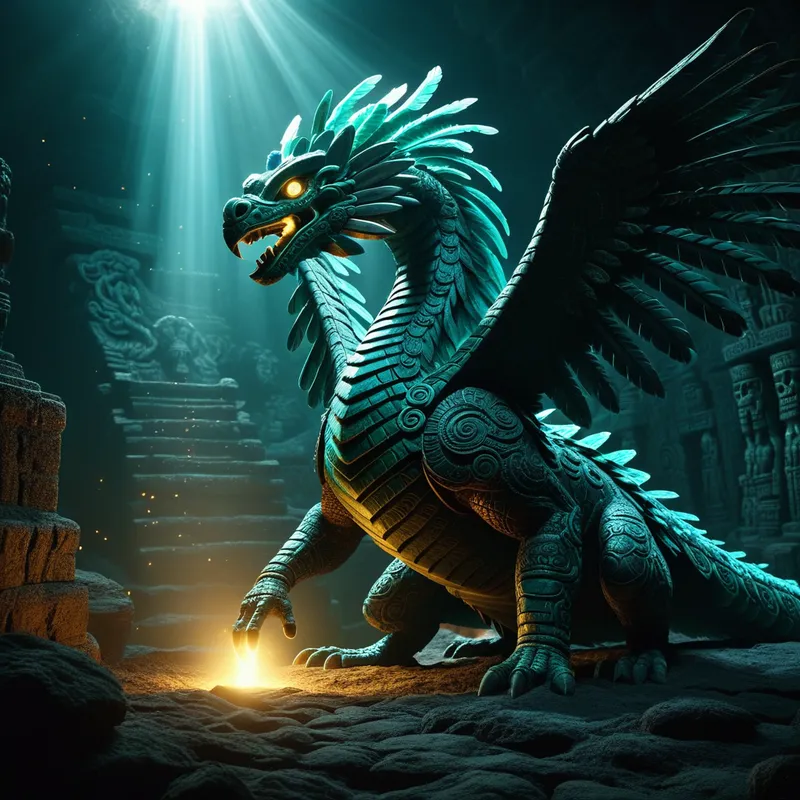
Thus, the great Feathered Serpent, Quetzalcoatl, journeyed to the deepest place: Mictlan. It was a place of nine descending layers, of cold winds and silent rivers, ruled by the Lord and Lady of the Dead, Mictlantecuhtli and Mictecacihuatl. Quetzalcoatl, his plumes shimmering in the gloom, stood before the bone-throne. “I have come for the precious bones,” he said. “The bones of the ancestors from the previous world. We will make a new people to inhabit the earth.”
Mictlantecuhtli’s empty eyesockets gleamed. “You may take them,” he hissed, “if you can circle my realm four times blowing this conch shell.” He handed Quetzalcoatl a shell with no holes. Undeterred, the Feathered Serpent summoned worms to bore a passage and bees to fill the shell with a thunderous hum. He sounded it, a roar that shook the silent halls of the dead. Tricked, the Lord of Mictlan gave up the bones.
But as Quetzalcoatl fled upward, carrying the sacred bundle, Mictlantecuhtli commanded a pit to open before him. The god stumbled, and the precious bones scattered. Quail birds descended, pecking and cracking the bones. Grieving, Quetzalcoatl gathered what fragments he could. He carried them not to Teotihuacan, but to the sacred place of Tamoanchan.
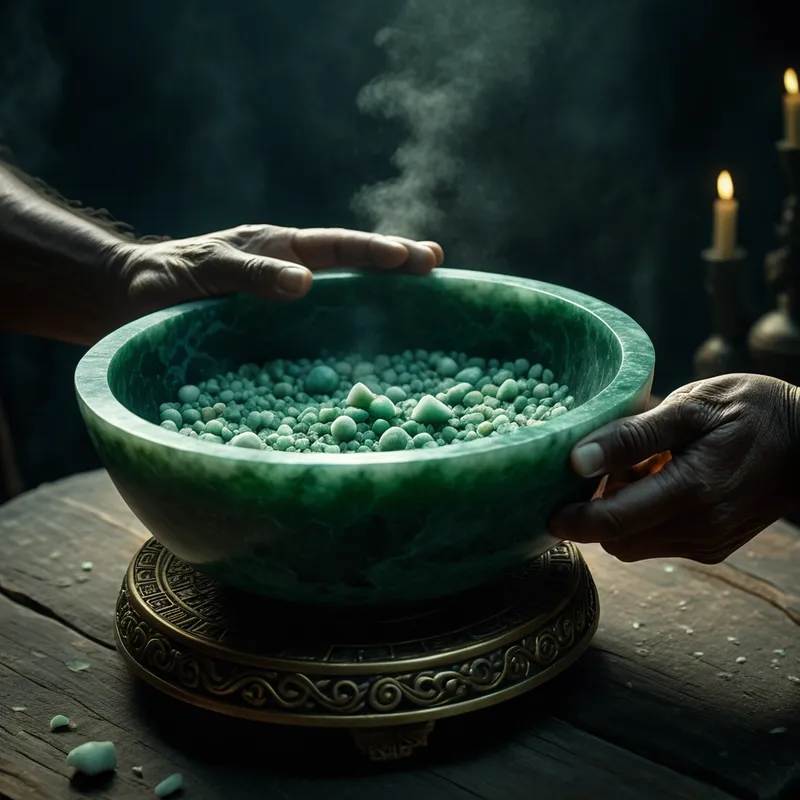
There, the goddess [Cihuacoatl](/myths/cihuacoatl “Myth from Aztec culture.”/), the Lady of the Snakes, ground the shattered bones into a fine flour upon her metate, the grinding stone of creation. This bone-meal was placed in a jade bowl. Then, the gods gathered. They pierced their own flesh—ears, tongues, limbs—letting their sacred blood, their teotl, their divine vitality, drip and flow into the bowl. Quetzalcoatl mixed the divine blood with the ancestral bone-dust, kneading it into a dough of life. From this mixture, the first humans were formed. They were born of death and divinity, of shattered past and sacred present, forever bound by a debt—the nextlahualli—the debt of life that must be repaid through gratitude, through offering, through living a life that honors the sacrifice that made it possible.
Cultural Origins & Context
This myth, known as the story of the Fifth Sun and the creation of humanity, was central to the Mexica (Aztec) worldview. It was not a simple folktale but a foundational narrative recited by priests (tlamatinime, “knowers of things”) during major festivals and recorded in codices like the Codex Chimalpopoca and the Florentine Codex. Its societal function was profound: it explained the origin and purpose of human existence. Humanity was not an accident, but a deliberate, costly creation. Our very substance—bone—came from those who came before, and our vitality—blood—came from the gods themselves. This established the core Aztec cosmological principle of reciprocal exchange. The gods sacrificed to create and sustain the cosmos; humans, in turn, must sacrifice (through ritual, prayer, and even bloodletting) to sustain the gods. Life was a sacred debt, and the myth provided the ontological reason for the intense ritual life that ordered Aztec society.
Symbolic Architecture
The myth is a masterclass in symbolic [depth](/symbols/depth “Symbol: Represents profound layers of consciousness, hidden truths, or the unknown aspects of existence, often symbolizing introspection and existential exploration.”/). The Bone represents the indestructible core, the ancestral inheritance, the [structure](/symbols/structure “Symbol: Structure in dreams often symbolizes stability, organization, and the framework of one’s life, reflecting how one perceives their environment and personal life.”/) that persists beyond [death](/symbols/death “Symbol: Symbolizes transformation, endings, and new beginnings; often associated with fear of the unknown.”/). It is not [life](/symbols/life “Symbol: The symbol of ‘Life’ represents a journey of growth, interconnectedness, and existential meaning, encompassing both the joys and challenges that define human experience.”/), but the potential for life. The shattering of the bones by the quail is not mere sabotage; it is a necessary [fragmentation](/symbols/fragmentation “Symbol: The experience of breaking apart, losing cohesion, or being separated into pieces. Often represents disintegration of self, relationships, or reality.”/). Wholeness must be broken to be reconstituted into something new.
The self is not born whole, but assembled from the fragments of all we have been and all we have lost.
The divine [Blood](/symbols/blood “Symbol: Blood often symbolizes life force, vitality, and deep emotional connections, but it can also evoke themes of sacrifice, trauma, and mortality.”/) represents [spirit](/symbols/spirit “Symbol: Spirit symbolizes the essence of life, vitality, and the spiritual journey of the individual.”/), [energy](/symbols/energy “Symbol: Energy symbolizes vitality, motivation, and the drive that fuels actions and ambitions.”/), and [consciousness](/symbols/consciousness “Symbol: Consciousness represents the state of awareness and perception, encompassing thoughts, feelings, and experiences.”/)—the animating principle that turns inert matter into a living being. The [mixture](/symbols/mixture “Symbol: A mixture in dreams represents integration, blending of ideas, or conflicts between differing aspects of the self.”/) is alchemical: structure + [spirit](/symbols/spirit “Symbol: Spirit symbolizes the essence of life, vitality, and the spiritual journey of the individual.”/) = sentient life. Quetzalcoatl’s [journey](/symbols/journey “Symbol: A journey in dreams typically signifies adventure, growth, or a significant life transition.”/) to Mictlan is the classic [hero](/symbols/hero “Symbol: A hero embodies strength, courage, and the ability to overcome significant challenges.”/)’s descent into the [underworld](/symbols/underworld “Symbol: A symbolic journey into the unconscious, representing exploration of hidden aspects of self, transformation, or confronting repressed material.”/), not to conquer death, but to retrieve the raw materials of existence from it. He does not bring back a [trophy](/symbols/trophy “Symbol: The trophy symbolizes achievement, recognition, and the reward for perseverance in competitive endeavors.”/), but the very substance of the past. The Metate of Cihuacoatl is the transformative [womb](/symbols/womb “Symbol: A symbol of origin, potential, and profound transformation, representing the beginning of life’s journey and the unconscious source of creation.”/), the [vessel](/symbols/vessel “Symbol: A container or structure that holds, transports, or protects something essential, representing the self, emotions, or life journey.”/) where the hard facts of the past (bone) are ground down and made malleable for [rebirth](/symbols/rebirth “Symbol: A profound transformation where old aspects of self or life die, making way for new beginnings, growth, and renewal.”/).
The Dreamer’s Resonance
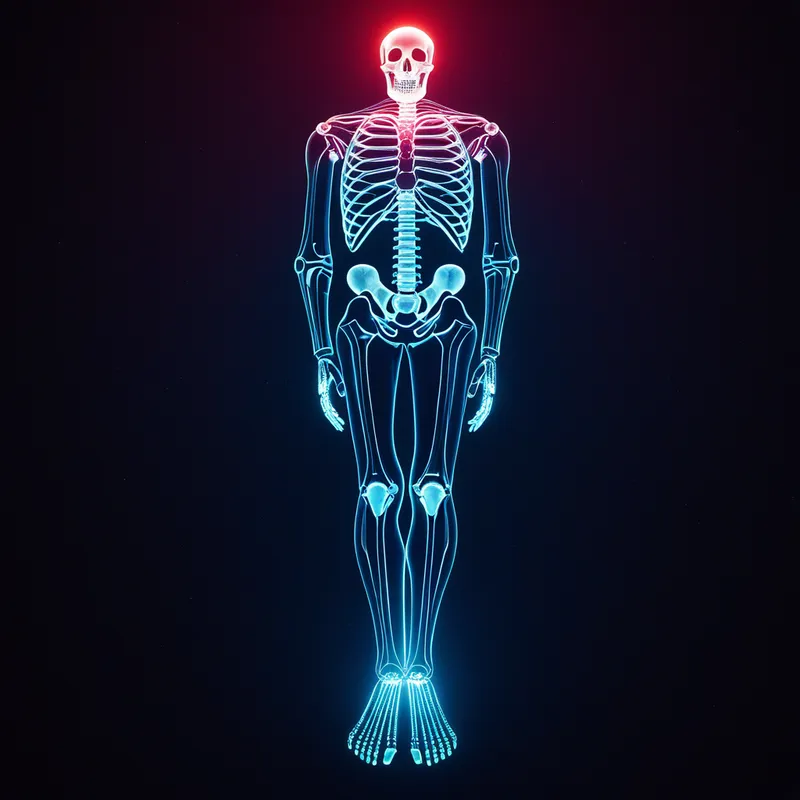
When this myth pattern stirs in the modern dreamer, it often signals a profound process of psychic reconstitution. To dream of gathering Bone fragments, of grinding something to dust, or of mixing one’s own blood with earth or ash, points to a deep, somatic engagement with the foundations of identity. The psyche is indicating that it is time to journey into your personal Mictlan—the forgotten traumas, ancestral patterns, and discarded aspects of the self—to retrieve the essential “bones.” These are the core truths, talents, or experiences that have been buried or shattered by life’s quail-birds (setbacks, criticisms, losses). The dream may carry a sense of sacred duty, a feeling that you must create yourself anew from these recovered fragments, animating them with your own life-force (blood). It is a dream of foundational repair, often emerging during mid-life crises, after great loss, or at the beginning of a truly authentic life chapter.
Alchemical Translation
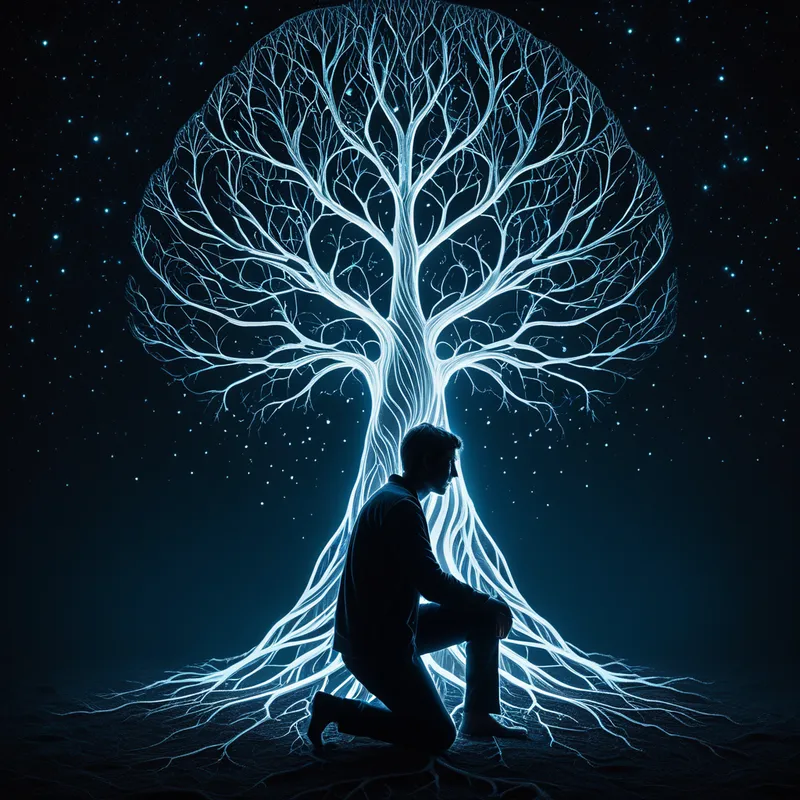
For the modern individual navigating the path of individuation, this myth models the process of psychic transmutation with brutal elegance. We all inherit “bones”—the psychological structures from our family, culture, and personal history. These structures can feel rigid, dead, or confining. The alchemical work begins with the Quetzalcoatl-like descent: the courageous confrontation with the shadow, with the “land of the dead” within us—our repressed memories, shames, and unresolved griefs.
Individuation is not about becoming someone new, but about becoming someone true, forged in the sacred vessel where ancestral shadow meets conscious sacrifice.
The “shattering” by the quail is the necessary deconstruction of the old, rigid ego-structure. This is often a painful, involuntary crisis. Then comes the grinding on the Metate—the slow, patient work of therapy, reflection, or artistic expression that breaks down these complexes into usable insight. Finally, the mixing with one’s own Blood: this is the act of conscious investment. We must pour our own vitality—our attention, our love, our will—into this raw material. We animate our true self not with the borrowed blood of others’ expectations, but with our own sacred life-force. The resulting “human” is the integrated Self, a being aware of its composite nature (born of both personal and collective history) and conscious of its sacred responsibility to live authentically, repaying the debt of its own existence by offering its unique consciousness back to the world.
Associated Symbols
Explore related symbols from the CaleaDream lexicon:
- Bone — The enduring structure of the past, the ancestral inheritance, and the indestructible core of identity that must be shattered and reconstituted to create new life.
- Blood — The animating spirit, divine vitality, and conscious life-force that must be willingly sacrificed to mix with the past, turning inert memory into living being.
- Quetzalcoatl — The psychopomp and culture hero who dares the descent into the underworld of the unconscious to retrieve the raw materials of the self, embodying wisdom and transformative courage.
- Mictlan — The underworld realm of the forgotten and the dead, representing the personal and collective unconscious where the fragments of our wholeness are stored.
- Sacrifice — The essential, reciprocal act of giving up something precious (comfort, old identity, energy) to nourish and sustain the process of creation and continued existence.
- Metate — The feminine, transformative vessel (the grinding stone) where hard truths and past structures are broken down and made ready for rebirth, symbolizing the containing function of the psyche.
- Ash — The residue of a transformative fire, representing the fertile ground from which new life emerges, connecting the sacrifice of the gods (Nanahuatzin) to the creation of humanity.
- Circle — The cyclical journey of descent and return, death and rebirth, and the eternal reciprocal exchange between the human and the divine, the individual and the cosmos.
- Journey — The essential, perilous quest into the depths of one’s own history and psyche to retrieve the necessary components for self-creation and wholeness.
- Death — Not an end, but a state of potential and a source of raw material; the necessary precursor to any meaningful transformation or new creation.
- Ancestors — The collective “bones” of the past, whose experiences and patterns form the structural substrate of the individual and collective psyche.
- Tamoanchan — The mythical place of origin and creation, symbolizing the sacred, liminal space within the psyche where the work of integration and new formation truly happens.