The Augean Stables of Hercules Myth Meaning & Symbolism
Hercules, bound to servitude, faces an impossible task: cleansing a lifetime of filth. He succeeds not by force, but by redirecting a river's flow.
The Tale of The Augean Stables of Hercules
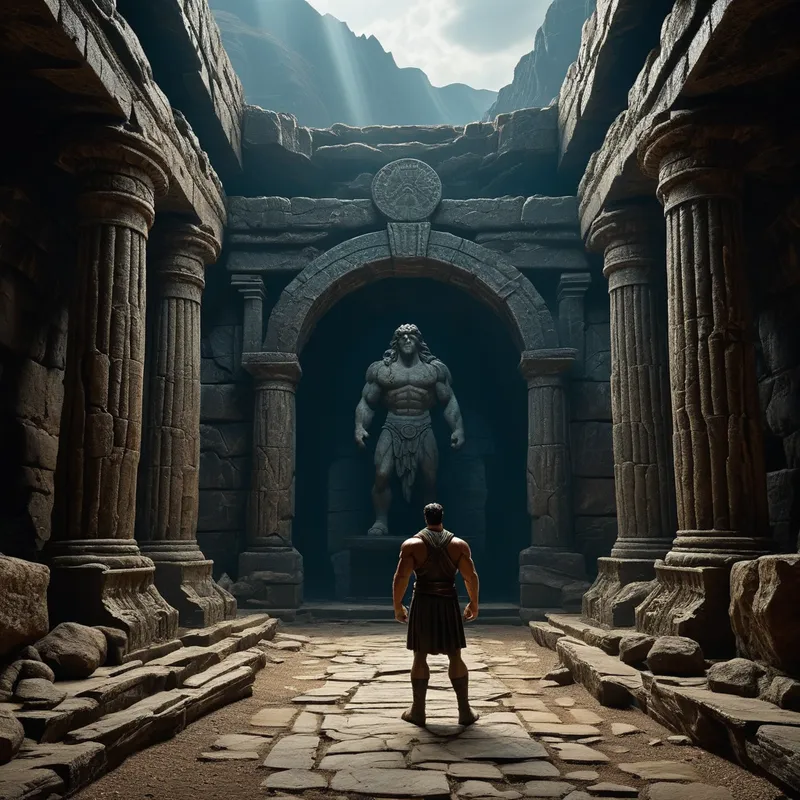
Hear now the tale of the fifth labor, a task born not of monstrous battle, but of divine mockery and mortal stench. The great [Heracles](/myths/heracles “Myth from Greek culture.”/), known to the Romans as [Hercules](/myths/hercules “Myth from Greek culture.”/), stood in the court of Eurystheus. His shoulders, still aching from the weight of [the Erymanthian Boar](/myths/the-erymanthian-boar “Myth from Greek culture.”/), now bore a heavier burden: shame. For the crimes committed in a fit of madness, he was bound to servitude, his godly strength a leash held by a lesser king.
Eurystheus, his heart a small, cold stone, sought to break the hero’s spirit not with a beast, but with a joke. He spoke of King Augeas, whose wealth was counted not in gold, but in cattle. Thousands upon thousands of immortal cattle, gifts from his father [Helios](/myths/helios “Myth from Greek culture.”/), lowed in pastures of Elis. But their home, the royal stables, had known no broom, no shovel, since the first calf was born. Decades of dung had accumulated, piling into vast, reeking mountains that choked the very air, a pestilential testament to neglect. The task was simple, impossible: cleanse [the Augean Stables](/myths/the-augean-stables “Myth from Greek culture.”/) in a single day.
Hercules journeyed to Elis, the stench greeting him leagues before the walls. It was a physical presence, a thick, sweet-rotten fog that coated the tongue and stung the eyes. The stables themselves were a cavernous monument to filth, their stone walls stained, their roofs sagging under the metaphysical weight of the decay within. Augeas, amused, made a wager: if [the stranger](/myths/the-stranger “Myth from Biblical culture.”/) could achieve this miracle, he would grant him a tenth of his immortal herd. He said this with a smile, for he knew it could not be done.
For a long day, Hercules stood before the gates. He did not lift a shovel. He did not summon servants. He walked the land, his senses tracing the lie of [the earth](/myths/the-earth “Myth from Hindu culture.”/), listening to the whisper of [water](/myths/water “Myth from Chinese culture.”/) beneath soil. He found the twin rivers, Alpheus and Peneus, flowing with vigor from the high mountains. With a strength that could shift continents, he tore at the riverbanks. He heaved boulders the size of houses, his muscles corded like mountain roots, his breath a storm. He did not fight the filth; he redirected the flow of life itself.
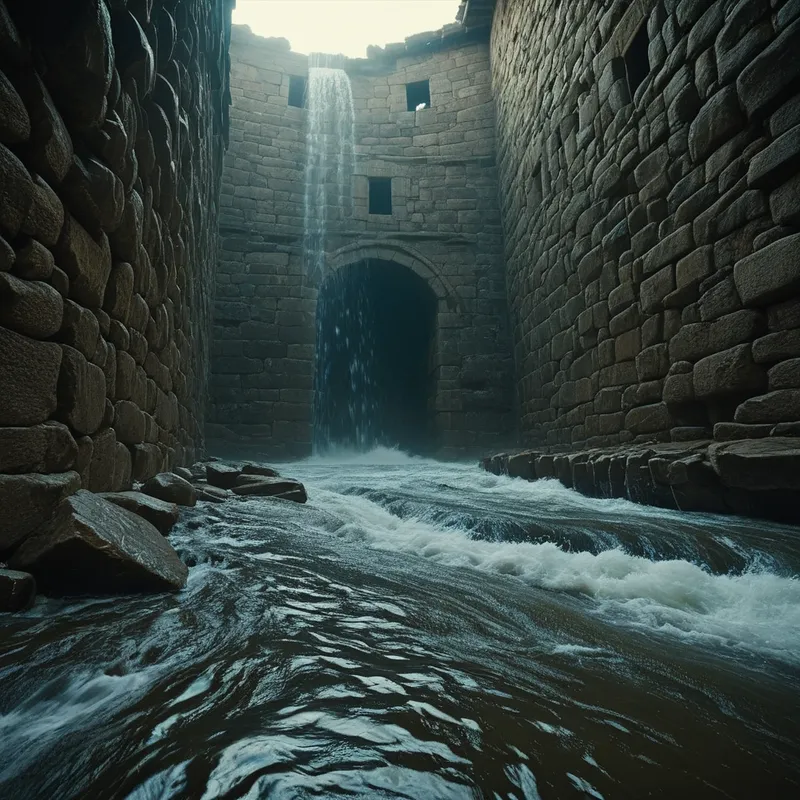
As the sun began its descent, a new sound rose over the plains of Elis—not the lowing of cattle, but the roar of unleashed water. Two divine rivers, their courses bent by a mortal will, thundered into the stone courtyards. They smashed through the stable walls with the fury of a god’s wrath. A brown deluge, a churning, roaring cataract of purification, swept through every channel, every pen. It lifted the mountains of decay, the ossified waste of a generation, and carried it all away to [the sea](/myths/the-sea “Myth from Greek culture.”/) in a single, colossal flush. Where there was stagnation, there was now a rushing, clean flow. The air, once a solid [thing](/myths/thing “Myth from Norse culture.”/) of rot, became sharp and clear. The task was done. Not by moving the filth, but by moving [the world](/myths/the-world “Myth from Tarot culture.”/) around it.
Cultural Origins & Context
This myth originates from the rich tapestry of Hellenic oral tradition, later codified by writers like Hesiod and the anonymous compilers of the Epic Cycle. It was a foundational story within the canon of the Twelve Labors, a narrative framework that structured the hero’s path from polluted murderer to purified, divinized being. Functionally, it served multiple societal roles: as an aetiological myth explaining perhaps the cleansing of certain plains by seasonal floods, as a parable about civic hygiene and the dangers of aristocratic neglect, and most profoundly, as a lesson in applied intelligence. It reminded a culture that valued both bia (force) and [metis](/myths/metis “Myth from Greek culture.”/) (cunning intelligence) that true heroism could reside in cleverness as much as in brute strength. The labor was often recounted in symposia and by rhapsodes, its visceral imagery making it a memorable lesson in problem-solving that transcended the mere cataloguing of heroic feats.
Symbolic Architecture
At its core, the Augean Stables represent the accumulated, unprocessed refuse of the [psyche](/myths/psyche “Myth from Greek culture.”/)—the neglected [shadow](/symbols/shadow “Symbol: The ‘shadow’ embodies the unconscious, repressed aspects of the self and often represents fears or hidden emotions.”/) [material](/symbols/material “Symbol: Material signifies the tangible aspects of life, often representing physical resources, desires, and the physical world’s influence on our existence.”/), the compulsive habits, the emotional baggage we leave to fester for years. It is not evil, but simply the unaddressed byproduct of living. Hercules, the heroic ego, is initially presented with a literal, impossible [task](/symbols/task “Symbol: A task represents responsibilities, duties, or challenges one faces.”/): to clean this up through sheer [effort](/symbols/effort “Symbol: Effort signifies the physical, mental, and emotional energy invested toward achieving goals and personal growth.”/). The myth’s genius lies in its [rejection](/symbols/rejection “Symbol: The experience of being refused, excluded, or dismissed by others, often representing fears of inadequacy or social belonging.”/) of this direct approach.
The labor is not to move the mountain of dung, but to change the landscape of the soul so that the mountain cannot exist.
Augeas, the [king](/symbols/king “Symbol: A symbol of ultimate authority, leadership, and societal order, often representing the dreamer’s inner power or external control figures.”/) who let the stables fester, symbolizes a stagnant [consciousness](/symbols/consciousness “Symbol: Consciousness represents the state of awareness and perception, encompassing thoughts, feelings, and experiences.”/), a ruling principle that is wealthy in potential (the divine cattle) but pathologically averse to the necessary work of maintenance. The wager represents [the ego](/myths/the-ego “Myth from Jungian culture.”/)’s bargain with this stagnant state: “If I could just clean this up, I’d be rewarded.” But the reward is secondary; the primary [action](/symbols/action “Symbol: Action in dreams represents the drive for agency, motivation, and the ability to take control of situations in waking life.”/) is [catharsis](/symbols/catharsis “Symbol: A profound emotional release or purification through artistic expression, often involving intense feelings of relief and transformation.”/). The rivers, Alpheus and Peneus, are the archetypal symbols of the unconscious itself—specifically, its dynamic, flowing, cleansing [capacity](/symbols/capacity “Symbol: A measure of one’s potential, limits, or ability to contain, process, or achieve something, often reflecting self-assessment or external demands.”/). Hercules does not create the [water](/symbols/water “Symbol: Water symbolizes the subconscious mind, emotions, and the flow of life, representing both cleansing and creation.”/); he diverts it. This is the pivotal psychological move: the conscious ego (Hercules) must stop trying to manage the mess and instead learn to channel the vast, transformative powers of the unconscious (the rivers) to do the work it alone cannot.
The Dreamer’s Resonance
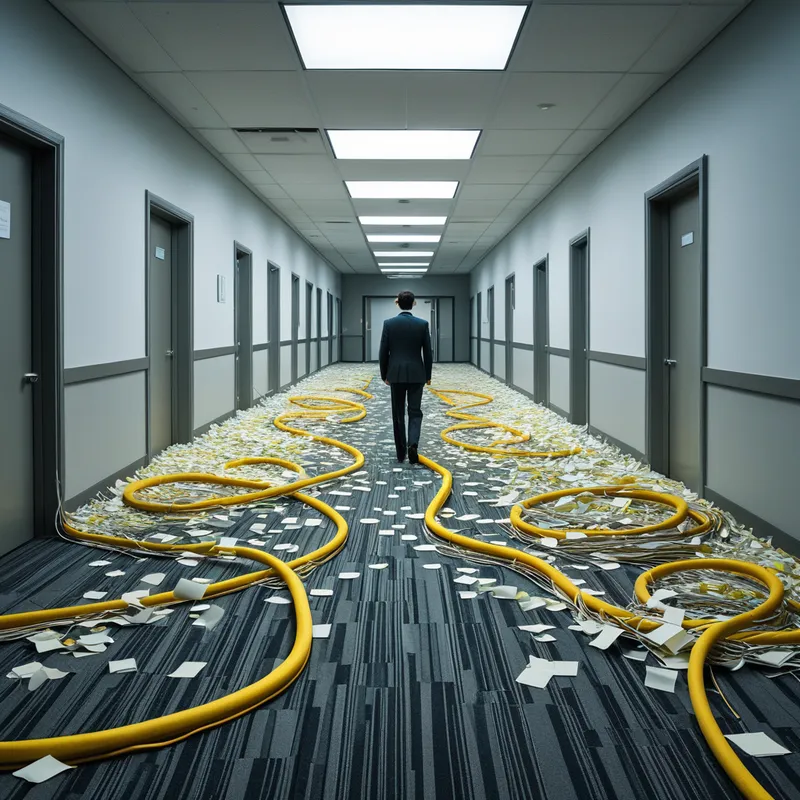
When this myth patterns a modern dream, the dreamer is often at an impasse with a seemingly intractable, “messy” life situation—a cluttered home that feels suffocating, a bureaucratic nightmare at work, or a relationship dynamic choked with unspoken resentments. Somatically, this may manifest as a feeling of heaviness, constriction in the chest, or a literal sensitivity to foul smells. The dream landscape itself becomes the stable: an endless basement full of rotting boxes, a childhood bedroom overflowing with broken toys, or a digestive system visualized as clogged pipes.
The psychological process is one of confronting the sheer scale of accumulated neglect. The dream ego, like Hercules, often initially attempts futile, direct action—scooping water with a sieve, pushing against a wall of soft waste. The breakthrough in the dream, if it comes, is the sudden appearance of a new element: a forgotten garden hose with tremendous pressure, a sudden rainstorm inside the house, or the discovery of a large drain in the floor. This is the dream psyche introducing the symbol of the “diverted river”—the insight that the solution lies not in more effort within the old, stuck framework, but in changing the fundamental direction of energy.
Alchemical Translation
In the alchemy of individuation, this labor models the stage of [solutio](/myths/solutio “Myth from Alchemical culture.”/)—the washing away of ingrained complexes through the solvent of awareness. The “filth” is the massa confusa, the confused, undifferentiated, and polluted [prima materia](/myths/prima-materia “Myth from Alchemical culture.”/) of the psyche. The heroic ego’s first instinct is the coagulatio approach: to try and solidify, sort, and deal with each piece. This leads to despair, for the mass is infinite.
The alchemical secret is that the river is already pure; the work is to remove the dam we have built against it.
Hercules’s act of river-diversion is the conscious ego performing a sacred geometry upon the soul. It aligns the will with the natural, purgative flow of [the Self](/myths/the-self “Myth from Jungian culture.”/). The labor is one of engineering, not combat. For the modern individual, this translates to a profound shift in approach to inner work. It is not about “fighting” a depression, an addiction, or a pattern of anxiety with willpower (shoveling the dung). It is about asking: “What is [the river](/myths/the-river “Myth from Buddhist culture.”/) here? What is the natural, powerful flow I am blocking?” The river might be creative expression, bodily movement, truthful speech, or surrendered grief. By consciously, and with great effort of attention (Hercules’s strength), redirecting one’s life to allow that flow to pass through the stables of one’s neuroses, a catharsis occurs that willpower alone could never achieve. The stable is not just cleaned; it is fundamentally altered. The walls that contained the stagnation are broken. What remains is not a vacant lot, but a channel now open to the fertile waters of life, ready for the next divine cattle to be housed in a healthier, flowing space. This is the [triumph](/myths/triumph “Myth from Roman culture.”/): not a sterile cleanliness, but a restored, dynamic ecology of the soul.
Associated Symbols
Explore related symbols from the CaleaDream lexicon: