Odin on Hlidskjalf Myth Meaning & Symbolism
The Allfather ascends his high seat to see all worlds, a vision that demands a terrible price and sets the course of destiny.
The Tale of Odin on Hlidskjalf
Hear now of the Seat of the Door-Sill, the high place where sight becomes a burden and knowledge a wound.
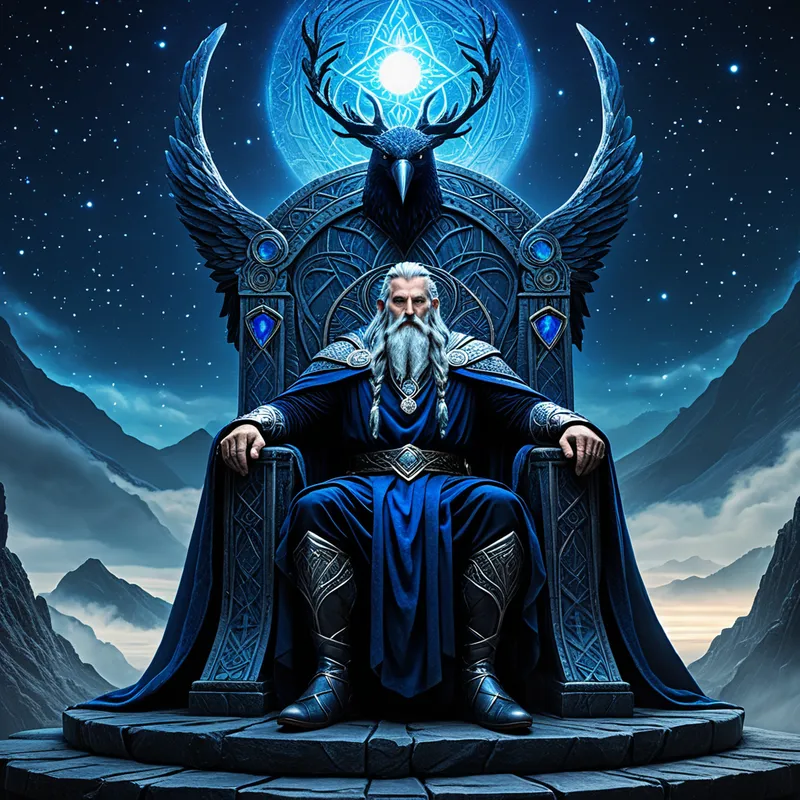
In the golden realm of Asgard, where the mead flows like rivers and the halls gleam with spear-light, there stands a place apart. It is not a hall for feasting, nor a forge for crafting. It is a silent tower, and within it, a solitary throne: [Hlidskjalf](/myths/hlidskjalf “Myth from Norse culture.”/). No other may sit there, save the Allfather himself. For from this seat, the web of [the world](/myths/the-world “Myth from Tarot culture.”/) is laid bare.
On a day when the winds from [Jotunheim](/myths/jotunheim “Myth from Norse culture.”/) carried whispers of old grudges, Odin, the One-Eyed, the [Raven](/myths/raven “Myth from Haida culture.”/)-God, ascended the steps. His cloak of deepest blue whispered against the stone. His face, etched with [the runes](/myths/the-runes “Myth from Norse culture.”/) of his own sacrifice, was grim. He came not for rest, but for reckoning. He settled upon the high seat, and the world shifted.
His single eye, which he had paid for at the well of [Mimir](/myths/mimir “Myth from Norse culture.”/), opened wide. It was no longer an eye of flesh, but a window. Through it, he saw not with light, but with knowing. He gazed north, and the frozen plains of [Niflheim](/myths/niflheim “Myth from Norse culture.”/) crystallized in his vision, [the mist](/myths/the-mist “Myth from Celtic culture.”/) coiling around the roots of [Yggdrasil](/myths/yggdrasil “Myth from Global/Universal culture.”/). He gazed south, to the shimmering heat of [Muspelheim](/myths/muspelheim “Myth from Norse culture.”/), where fire giants stirred. He saw the light-elves dancing in Alfheim and the dark-elves forging in [Svartalfheim](/myths/svartalfheim “Myth from Norse culture.”/). He saw the vast ocean encircling [Midgard](/myths/midgard “Myth from Norse culture.”/), and upon it, the tiny ships of men, brave and doomed.
But his gaze did not rest on beauty. It sought discord. It sought the thread that, if pulled, would unravel the tapestry. And he found it. Far below, in the world of men, a king lay dead. His sons, in their grief, commissioned a treasure from the cunning dwarves—a ring and a hoard of gold, magnificent and cursed. Odin saw the greed being hammered into the metal, the curse being whispered into the gold’s very essence. He saw [the dragon](/myths/the-dragon “Myth from Chinese culture.”/) that would claim it, the hero who would slay it, and the betrayal that would follow. He saw the lineage of sorrow it would spawn, a river of blood leading all [the way](/myths/the-way “Myth from Taoist culture.”/) to the final twilight, [Ragnarok](/myths/ragnarok “Myth from Norse culture.”/).
And in that moment, seeing the beautiful, terrible, inevitable weave of fate, a profound stillness fell upon the Allfather. The ravens, [Huginn and Muninn](/myths/huginn-and-muninn “Myth from Norse culture.”/), returned from their daily flight across the worlds, settling on his shoulders, but he did not heed their whispers. He was transfixed by the vision of an ending he could not prevent, only prepare for. The knowledge was a weight upon his spirit, heavier than any chain. He saw the path, and it was drenched in sacrifice—his, and everyone’s. The throne granted not power, but profound, paralyzing responsibility. The conflict was not outside, but within: the struggle between the desire to intervene and the acceptance of the ordained pattern. The resolution was not victory, but a somber descent from the high seat, burdened with a future he must now, with heavy heart, walk toward.
Cultural Origins & Context
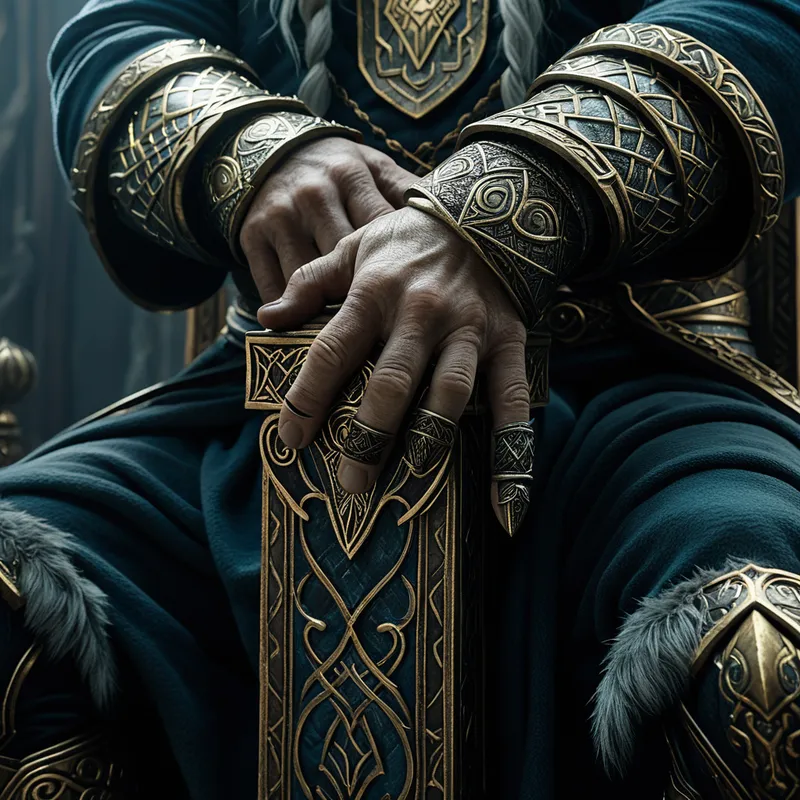
The image of Odin on Hlidskjalf is woven into several Old Norse texts, most notably the Prose Edda of Snorri Sturluson and the Poetic Edda, particularly in the lays of Grímnismál and Skírnismál. It was not a single, contained “story” told around a fire, but a recurring motif—a divine attribute and a narrative device. Skalds (poets) and storytellers would invoke Hlidskjalf to explain how Odin, the god of kings, poetry, and the hanged, gained the strategic knowledge that defined his actions.
Its societal function was multifaceted. For a warrior-aristocracy, it modeled the ideal of the ruler: not a brute force, but a far-seeing strategist whose authority was based on supreme, hard-won knowledge. It justified Odin’s often cruel or manipulative actions—if he saw the [threads of fate](/myths/threads-of-fate “Myth from Greek culture.”/), his interventions, however harsh, were necessary for the greater order. The myth also served a metaphysical purpose, reinforcing the Norse worldview of a predetermined, yet dynamically unfolding, destiny (ørlög). Even the Allfather was subject to its vision, a humbling concept for a culture that revered him as the highest god.
Symbolic Architecture
Hlidskjalf is not merely a watchtower; it is the symbolic [pinnacle](/symbols/pinnacle “Symbol: The highest point or peak, representing achievement, culmination, or spiritual transcendence.”/) of [consciousness](/symbols/consciousness “Symbol: Consciousness represents the state of awareness and perception, encompassing thoughts, feelings, and experiences.”/) itself. It represents the achieved [perspective](/symbols/perspective “Symbol: Perspective in dreams reflects one’s viewpoints, attitudes, and how one interprets experiences.”/) where the personal ego dissolves into a panoramic [awareness](/symbols/awareness “Symbol: Conscious perception of self, surroundings, or internal states. Often signifies awakening, insight, or heightened sensitivity.”/) of the [system](/symbols/system “Symbol: A system represents structure, organization, and interrelated components functioning together, often reflecting personal or social order.”/)—the psychic ecosystem of the individual or the literal [cosmos](/symbols/cosmos “Symbol: The entire universe as an ordered, harmonious system, often representing the totality of existence, spiritual connection, and the unknown.”/).
The throne of total sight is also the prison of foreknowledge. To see all connections is to be bound by them.
Odin’s single eye is the focused [lens](/symbols/lens “Symbol: A lens in dreams represents focus, perspective, clarity, or distortion in how one perceives reality, art, or self.”/) of consciousness, paid for by the sacrifice of “ordinary [sight](/symbols/sight “Symbol: Sight symbolizes perception, awareness, and insight, representing both physical and inner vision.”/)” (the other eye, given to Mimir’s well). This is the archetypal trade: [innocence](/symbols/innocence “Symbol: A state of purity, naivety, and freedom from guilt or corruption, often associated with childhood and moral simplicity.”/) for [knowledge](/symbols/knowledge “Symbol: Knowledge symbolizes learning, understanding, and wisdom, embodying the acquisition of information and enlightenment.”/), wholeness for focus. The ravens, Huginn (Thought) and Muninn ([Memory](/symbols/memory “Symbol: Memory symbolizes the past, lessons learned, and the narratives we construct about our identities.”/)), are the active agents of this consciousness, scouring the worlds (the inner and outer landscapes) and bringing back raw data for the sovereign Self to integrate. The [vision](/symbols/vision “Symbol: Vision reflects perception, insight, and clarity — often signifying the ability to foresee or understand deeper truths.”/) of the cursed gold—the Andvaranaut ring—symbolizes the recognition of the “poisoned gift” within the [psyche](/myths/psyche “Myth from Greek culture.”/). It is the brilliant talent that carries a [shadow](/symbols/shadow “Symbol: The ‘shadow’ embodies the unconscious, repressed aspects of the self and often represents fears or hidden emotions.”/) of [obsession](/symbols/obsession “Symbol: An overwhelming fixation on a person, idea, or object that consumes mental energy and disrupts balance.”/), the glorious [achievement](/symbols/achievement “Symbol: Symbolizes success, mastery, or reaching a goal, often reflecting personal validation, social recognition, or overcoming challenges.”/) that seeds future conflict. Seeing it from Hlidskjalf means understanding, at a profound level, the inescapable [shadow](/symbols/shadow “Symbol: The ‘shadow’ embodies the unconscious, repressed aspects of the self and often represents fears or hidden emotions.”/) that accompanies any great possession or power.
The Dreamer’s Resonance
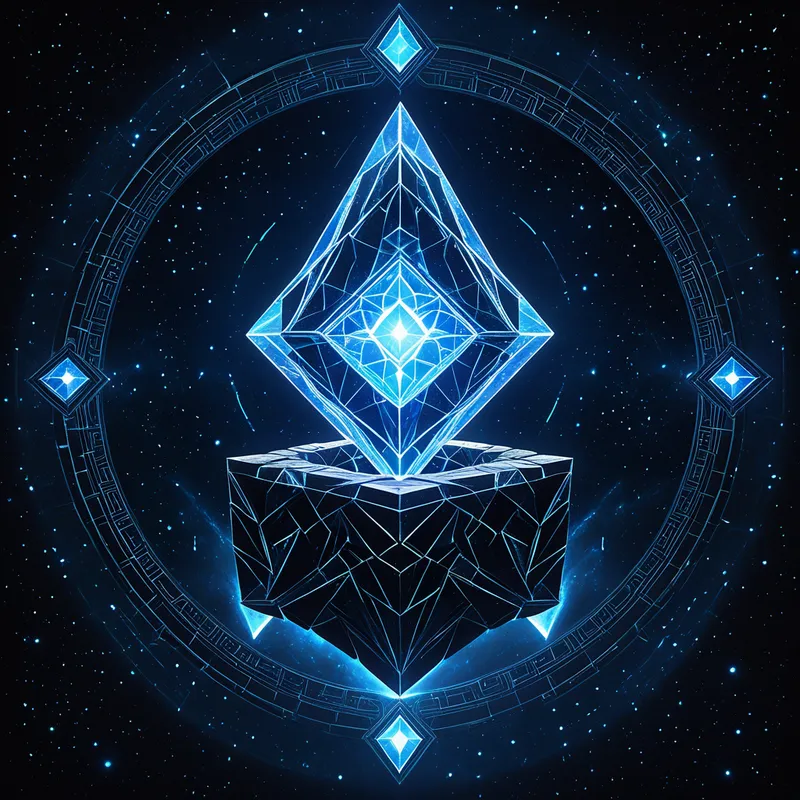
When this myth pattern stirs in the modern dreamer, it often manifests as dreams of overwhelming surveillance, of being in a control room with too many screens, or of finding a secret room in one’s house with a single window showing everything. The somatic experience is one of intense, static pressure—a paralysis of insight. You are not running or fighting; you are seeing, and the seeing is the crisis.
Psychologically, this marks a critical juncture in the process of integration. The dreamer’s psyche has assembled enough data—through therapy, life experience, or introspection—to form a coherent, systemic picture of their own patterns. They see their “cursed gold”: the recurring relationship dynamic, [the self](/myths/the-self “Myth from Jungian culture.”/)-sabotaging career move, the inherited family trauma. The Hlidskjalf moment is the shocking clarity of this pattern-recognition. It is not yet healing; it is the diagnosis, and the diagnosis feels like a fate. The struggle is [the ego](/myths/the-ego “Myth from Jungian culture.”/)’s resistance to this total, non-judgmental awareness, which demands relinquishing the fantasy of control and accepting one’s role in a larger, self-created narrative.
Alchemical Translation
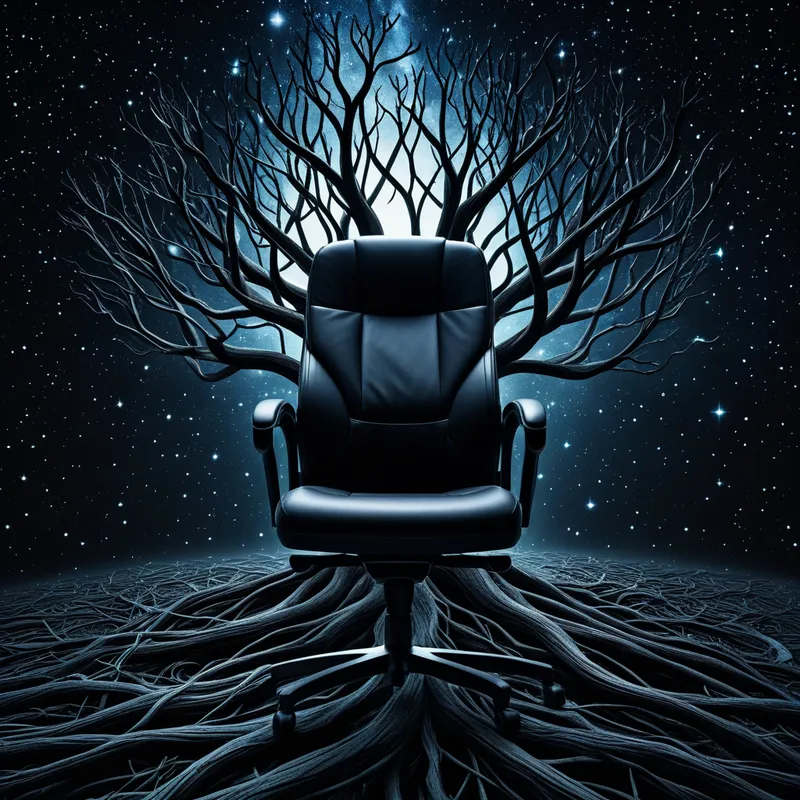
The alchemical process modeled here is the mortificatio of the ego’s ignorance, leading to the sublimatio of perspective. First, one must make the sacrifice (Odin’s eye) – giving up the comfortable, dualistic view of the world as a series of unrelated events. This is the payment for the high seat.
Individuation requires ascending to a point where you can witness your own life as a myth, with all its tragic flaws and destined turns.
Ascending Hlidskjalf is the active work of synthesis, pulling together all threads of memory, thought, and behavior until the pattern emerges. The vision of the cursed treasure is the [nigredo](/myths/nigredo “Myth from Alchemical culture.”/), the blackening—the confrontation with the core complex, the primal wound that generates both one’s gold (gifts) and one’s poison (neuroses). This is the most perilous part. Many would flee the throne at this point.
Odin’s ultimate transmutation is his acceptance. He does not shatter the pattern; he absorbs its truth. He descends from the throne changed, no longer a god who merely acts, but a god who acts in full knowledge of the consequences, even unto Ragnarok. For the modern individual, this is the alchemical gold: the development of a fated consciousness. It is not passive resignation, but active, sober engagement with one’s life, informed by a deep understanding of one’s intrinsic patterns. You cease trying to avoid your “curse” and instead learn to wield it, to include it in your sovereignty. The ruler (ego) becomes the sage (integrated Self), governing not from ignorance, but from the unbearable, essential clarity of the high seat.
Associated Symbols
Explore related symbols from the CaleaDream lexicon: