Heungbu and Nolbu Myth Meaning & Symbolism
A Korean folktale where a kind younger brother's compassion is rewarded by a magical swallow, while his greedy older brother's cruelty brings ruin.
The Tale of Heungbu and Nolbu
Listen, and hear a tale spun from the very soil of the peninsula, a story that breathes with the wind in the red pines and whispers in the courtyards of tile-roofed houses. Once, there were two brothers. Nolbu, the elder, was a man whose heart was a stone, heavy with greed and cold to the touch. His wealth was great, his house a fortress of plenty, yet his eyes were always hungry, scanning for more to claim. Heungbu, the younger, was his opposite. His heart was soft, a field ready for kindness to take root. He lived in a humble hut with his wife and many children, their laughter their only treasure, their bellies often empty.
One bitter winter, driven by desperation, Heungbu went to his brother’s gate. “Honorable elder brother,” he pleaded, “the cold is sharp, and my children’s cries are thin. Lend us but a single sack of rice, and we will repay you when the land greens again.” Nolbu looked upon his brother’s shivering form and laughed a laugh that held no warmth. “A sack of rice? For your litter of mouths? You are a fool, and your poverty is your own doing.” He drove Heungbu away with a stick.
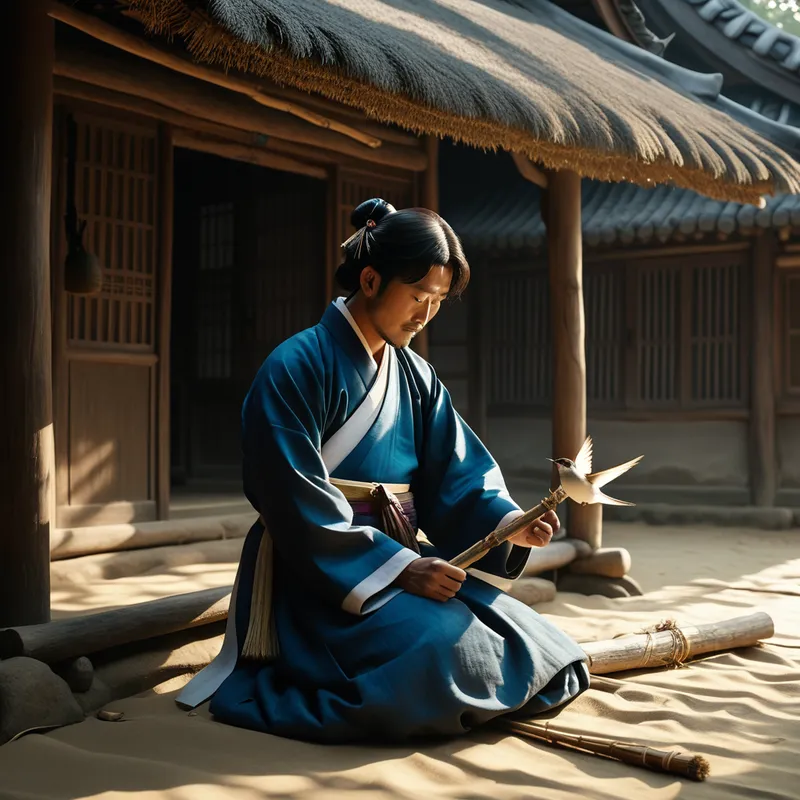
Spring came, painting the world in tender greens. In Heungbu’s poor courtyard, a swallow, a graceful messenger of the season, fell from its nest under the eaves, breaking its leg. While Nolbu would have seen only a useless creature, Heungbu saw a being in pain. With gentle hands, he took the swallow, splinted its tiny leg with a twig and thread, and nursed it back to health. When the swallow could fly again, it did not simply leave. It circled Heungbu’s head three times before vanishing into the wide blue sky.
The next spring, the swallow returned. In its beak, it carried a single gourd seed. Heungbu, trusting the creature’s gift, planted it with care. The vine grew with miraculous speed, lush and heavy, bearing two magnificent gourds. When the time came to harvest, Heungbu and his wife opened the first. A richness poured forth—not water, but a river of gold and silver coins, precious silks, and sacks of rice that filled their humble home to the rafters. They were not greedy; they took only what they needed, sharing the rest with neighbors equally poor.
The second gourd, when opened, revealed something more wondrous still: a tiny, perfect scholar’s house emerged, growing until it was real, and from its door stepped a beautiful, wise maiden who became a daughter to them. From desperate poverty, Heungbu’s family now lived in comfort and joy, their kindness repaid a thousandfold.
News, as it always does, traveled to Nolbu’s great house. Consumed by envy, his stone heart cracking with avarice, he devised a plan. He caught a healthy swallow from his own eaves and, with his own hands, broke its leg. He then splinted it, his touch devoid of compassion, his mind only on the reward. The next year, a swallow—perhaps the same, perhaps another—did indeed return with a seed. Nolbu planted it with frantic greed, and the vine bore two gourds larger than any before.
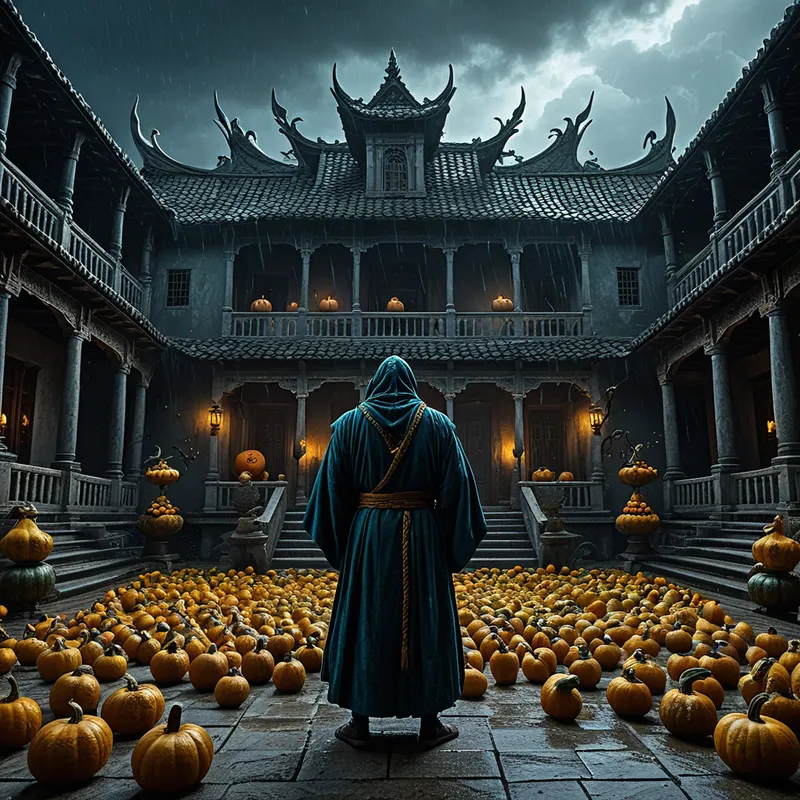
Trembling with anticipation, he opened the first. But from its dark interior erupted not treasure, but a horde of monstrous Dokkaebi, wicked debt collectors, and snarling officials who beat him and looted his storerooms. Desperate, hoping to reverse his fortune, he opened the second gourd. From it poured a flood of poverty itself—beggars, sickness, and ruin that swept through his mansion, leaving it a hollow, broken shell. The once-proud Nolbu was left with nothing, a beggar at his own ruined gate.
It was Heungbu who found him there. Heungbu, whose heart had no room for the poison of vengeance. He took his broken elder brother into his home, shared his food, and gave him shelter. Under the steady warmth of this unasked-for kindness, the stone around Nolbu’s heart finally shattered. He wept true tears for the first time, his greed washed clean by the flood of his brother’s mercy. And so, the two brothers lived out their days together, not in the old hierarchy of wealth and power, but in the new, forged kinship of a hard-won humanity.
Cultural Origins & Context
The tale of Heungbu and Nolbu is a foundational pansori narrative and one of Korea’s most beloved folktales. Pansori, a traditional Korean musical storytelling art form performed by a singer and a drummer, was the primary vessel for this story for centuries, allowing it to breathe and adapt with each performance in public markets and village squares. It is not a myth of distant gods, but a madang-geuk—a yard-play—of the human condition, rooted in the Confucian social fabric of the Joseon era.
Its societal function was multifaceted. For the largely peasant audience, it was a cathartic fantasy of cosmic justice, where the virtuous poor are rewarded and the cruel rich are humbled, a necessary psychological counterbalance to a rigid class system. For families, it served as a moral primer, teaching the paramount importance of hyo (filial piety) and jeong (deep, affectionate bond), even when strained by conflict. The story was told not to chronicle history, but to shape character, using the potent, accessible symbols of the family, the swallow, and the gourd to inscribe its lessons directly onto the heart of the listener.
Symbolic Architecture
The myth’s power lies in its elegant, almost alchemical symbolism. The two brothers are not merely individuals but psychic positions within a single psyche and within society. Nolbu represents the Shadow of the ordered self: the rigid ego, identified solely with possession, status, and control. His mansion is the fortress of a personality built on exclusion and hoarding.
Heungbu represents the often-suppressed principle of the Caregiver, connected not to things but to life itself—his children, the injured bird, his community. His poverty is not just material but a symbolic emptiness, a vessel ready to receive.
The swallow is the divine messenger of fate, but it is not a blind force. It is an intelligence that responds specifically to the quality of the heart’s gesture. It symbolizes the intervention of the Self when the ego is aligned, however humbly, with life.
The gourds are the great mystery. They are the womb of potential, the cosmic response to action. They do not create value; they reveal the inherent, latent consequence of an inner attitude. Heungbu’s compassion generates a gourd that manifests abundance and new life (the maiden-scholar). Nolbu’s calculated cruelty, his attempt to manipulate the sacred law, generates a gourd that manifests the hidden, monstrous truth of his own soul: the inner debt collectors, the vermin of greed, the flood of spiritual poverty he has cultivated all along.
The Dreamer's Resonance
When this myth patterns a modern dream, the dreamer is navigating a profound internal split between the Nolbu and Heungbu principles. One may dream of a wounded bird, feeling a somatic pull to help it alongside a cynical voice dismissing it as worthless—this is the live conflict between compassion and cold pragmatism. Dreaming of a vast, empty mansion filled with rotting treasure points to the hollowness of an identity built solely on achievement or possession, where the Caregiver has been exiled.
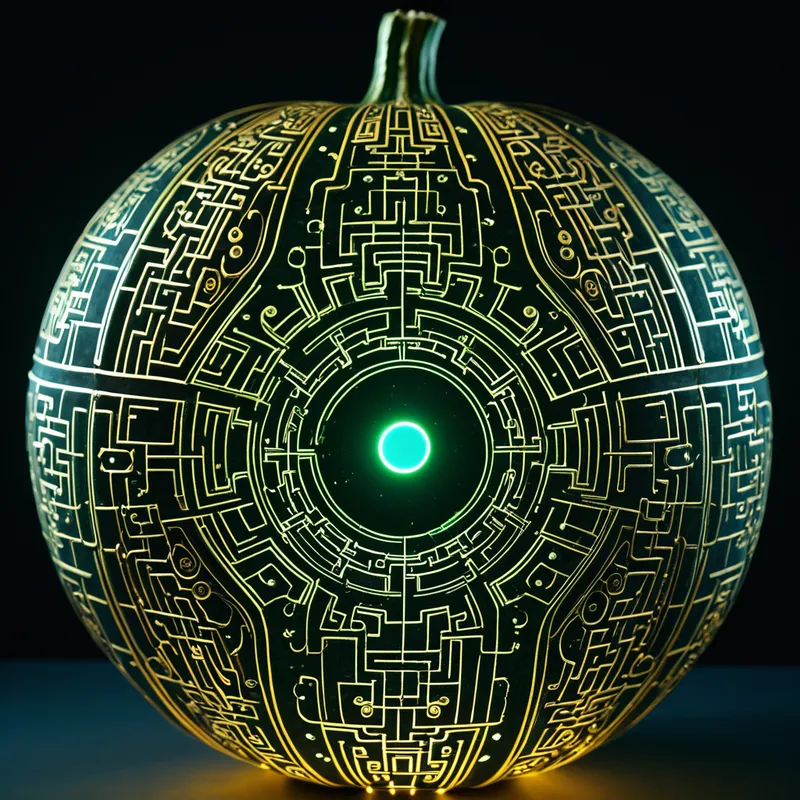
The bursting gourd is a classic dream image of sudden, uncontrollable psychic eruption. If it brings treasure, it signals an integration of softness leading to unexpected inner wealth. If it releases monsters or floods, it is the terrifying but necessary eruption of the repressed Shadow—the greed, envy, or calculated cruelty one refuses to acknowledge in waking life. The dream is initiating a forced “opening” of this sealed aspect of the self.
Alchemical Translation
The myth models the complete cycle of individuation. It begins in a state of psychic imbalance: the Nolbu-ego is inflated, the Heungbu-principle is impoverished and begging at the gate of consciousness.
The first alchemical stage is nigredo, the blackening. This is Heungbu’s honest poverty and suffering, and crucially, Nolbu’s cruel rejection. This darkness is necessary; it creates the tension that makes change inevitable. The care for the swallow is the albedo, the whitening—a small, pure act of unrelatedness, an alignment with life for its own sake.
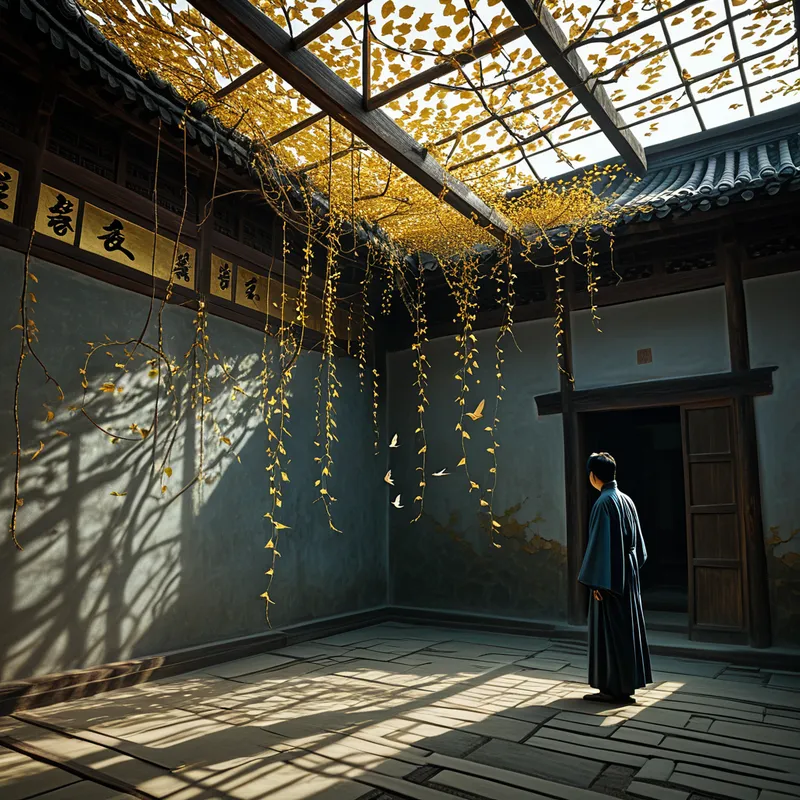
The gourds represent the citrinitas, the yellowing or illumination, where the unconscious delivers its verdict in symbolic form. Heungbu receives integrated wealth (the union of opposites: material gold and spiritual wisdom in the maiden). Nolbu is confronted with his own unintegrated shadow in monstrous form.
The final, culminating stage of rubedo, the reddening, is not Heungbu’s reward, but Nolbu’s redemption. The true gold is forged in the moment the broken elder is welcomed. The ego (Nolbu) is not destroyed, but humbled and dissolved in the greater solvent of compassion, then reborn into a new relationship with the whole Self.
For the modern individual, the process asks: What have you exiled in your drive for success (your inner Heungbu)? What monstrous aspects are you feeding with manipulation and greed (your inner Nolbu’s gourds)? The myth insists that wholeness is not achieved by simply rewarding the good and punishing the bad. It is achieved only when the redeemed ego, shattered by its own consequences, is invited back into the heart by the very quality it once despised.
Associated Symbols
Explore related symbols from the CaleaDream lexicon:
- Bird — The swallow acts as a divine messenger and agent of fate, its treatment determining the flow of cosmic justice, symbolizing the soul's connection to higher laws.
- Gourd — The magical vessel that reveals the latent, hidden consequences of one's inner moral and psychic state, representing the womb of potential and unexpected manifestation.
- Gold — Represents not just material wealth but the integrated treasure of the Self that emerges from virtuous action and psychological wholeness.
- Shadow — Nolbu embodies the repressed greed, cruelty, and envy that, when unacknowledged, eventually erupt in monstrous, self-destructive forms.
- Healing — Heungbu's act of mending the swallow's leg is the initial, compassionate gesture that sets the entire transformative process in motion.
- Flood — The deluge of beggars and ruin from Nolbu's gourd symbolizes the uncontrollable eruption of repressed poverty, both spiritual and material, from the unconscious.
- Door — The gates of Nolbu's mansion and Heungbu's humble home mark the boundaries of exclusion and inclusion, which are ultimately transcended by mercy.
- Seed — The single seed given by the swallow contains the entire destiny of the receiver, representing the potent, compressed potential of a single karma or choice.
- Brother — The central relationship embodies the internal conflict and necessary reconciliation between opposing psychic forces: the greedy ego and the compassionate soul.
- Mercy — Heungbu's final, unearned kindness toward Nolbu is the alchemical solvent that completes the transformation, forging true kinship from ruin.