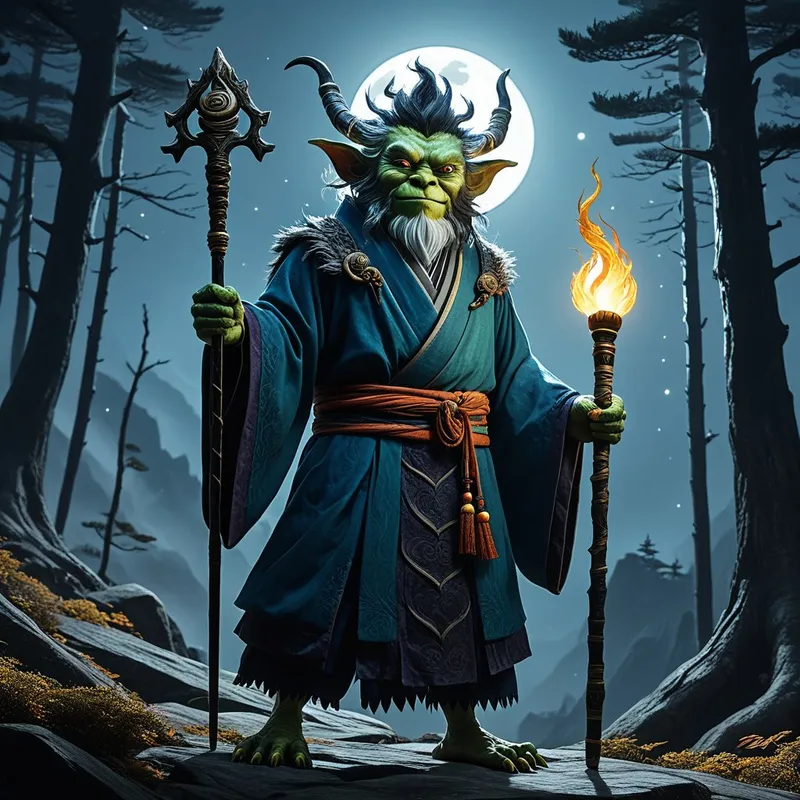
Dokkaebi Myth Meaning & Symbolism
Mischievous spirits born from objects stained with human energy, Dokkaebi embody the chaotic, transformative power of the untamed wilderness within and without.
The Tale of Dokkaebi
Listen, and let the mountain wind carry the tale. It does not begin with gods in heavens, but here, in the mud and grit of the human world. In the deep, silent heart of the San, where the old pine trees whisper secrets to the rocks, a transformation brews. It is not a birth, but a becoming.
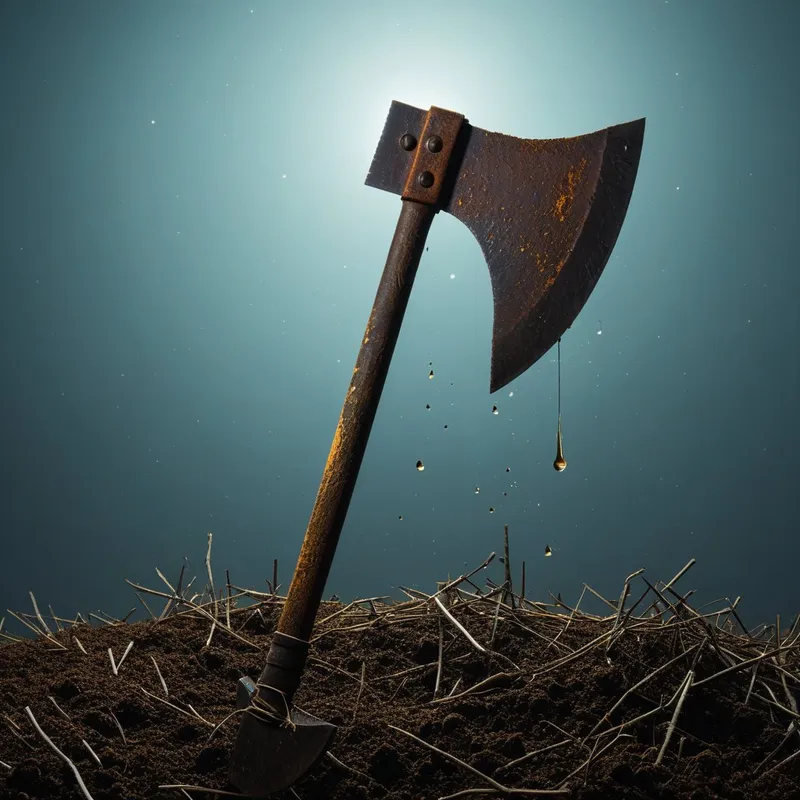
Take an object—a simple, worn thing. A farmer’s hatchet, stained with decades of sweat and tree sap, discarded at the foot of a cliff. A broken Giwa tile from a scholar’s house, bearing a century of rain and sorrow. Or, some whisper, a straw sandal soaked in the blood of a violent death. Leave it. Let the sun bleach it, the rain fill it, the earth embrace it. For one hundred years, let it drink the silent energy of the world—the Gi of the mountain, the residue of human toil and passion. Then, on a night when the moon is a sliver and the foxes cry, the object stirs. It does not merely come to life; it erupts.
From that stained vessel bursts the Dokkaebi. It is a creature of glorious, terrifying contradiction. Its body is powerful, often clad in tattered, once-fine clothes. Its face is a grotesque mask: a single, sharp horn, bulging eyes that see the truth of things, a mouth that can grin with mischief or snarl with rage. In its hand, it carries the Dokkaebi Bangmangi, a club that is the key to all things.
They gather in the wild places, these Dokkaebi, holding their nocturnal revels. They are not inherently evil, nor are they good. They are force incarnate. They love games—Ssireum contests of impossible strength, riddles that twist the mind. They challenge the brave, the foolish, or the arrogant traveler. To the kind and clever, they may grant wishes from their club, bestowing riches or wisdom. To the cruel and greedy, they bring terror, twisting desires into nightmares, leading them on endless chases through phantom forests.
Their conflict is with order itself. They despise the sacred Mudang’s rituals, scattering their offerings. They mock the stern Confucian scholar, upturning his neat world with chaos. Yet, in their wildness, they hold a brutal fairness. They punish the corrupt magistrate and reward the honest peasant. Their story has no single hero, no final battle. It is an eternal rhythm, a pulse of untamed energy pushing against the walls of human society, sometimes gifting, sometimes breaking, always reminding: nothing is ever truly settled, and the world is far stranger than your rules allow.
Cultural Origins & Context
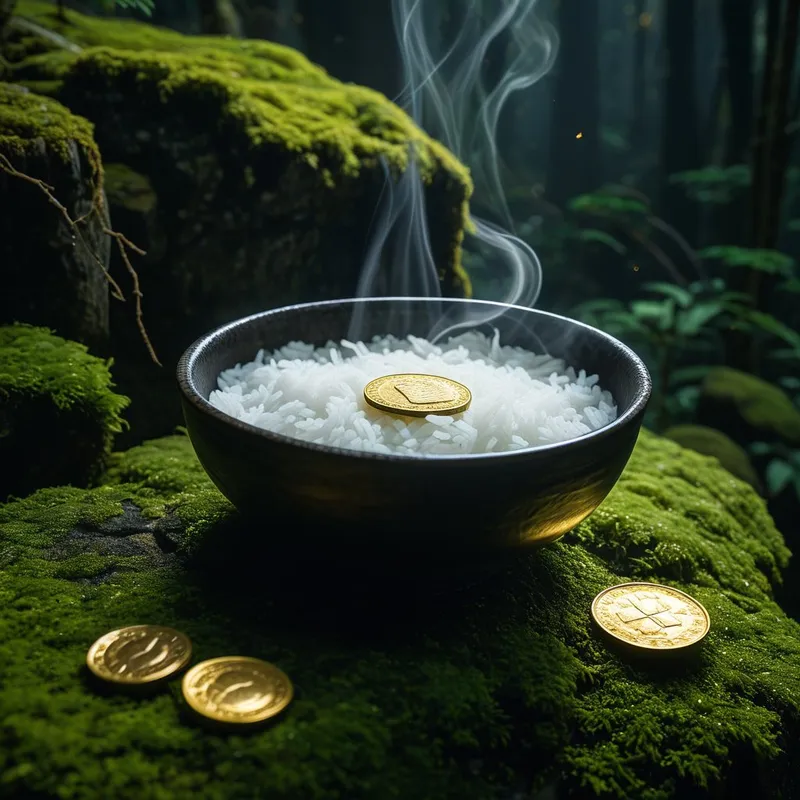
The Dokkaebi are not relics of a forgotten imperial court mythology; they are folk spirits, born from the soil and struggle of everyday Korean life. Their tales were not penned by elite scholars but carried on the breath of farmers, woodcutters, itinerant merchants, and Pansori singers around evening fires. This oral tradition places them squarely in the animistic and shamanic substrate of Korean spirituality, where every mountain, stream, and tool possessed a spirit, or Sin.
They functioned as a vital psychological and social pressure valve. In a society shaped by rigid hierarchies—be they Confucian, royal, or familial—the Dokkaebi represented the uncontrollable. They were the embodiment of the wilderness that lay just beyond the village fence, both literally and metaphorically. They explained the uncanny: the strange noise in the night, the lost traveler, the sudden windfall, or the inexplicable misfortune. More importantly, they provided a narrative where the powerless could, through wit or innate goodness, triumph over stronger forces, or see the corrupt humbled by a chaos that respected its own wild code of ethics.
Symbolic Architecture
Psychologically, the Dokkaebi is a masterful representation of the Trickster archetype and the personal Shadow. It is not the shadow of pure evil, but of repressed vitality, unexpressed chaos, and the raw, untamed psychic energy that civilization demands we lock away.
The Dokkaebi is the psyche’s own discarded tool, stained with our forgotten efforts and passions, returning not as waste, but as a demanding, animate force.
Its birth from a stained object is the key. The stain is the mark of human affect—our sweat, blood, tears, and intense focus. This symbolizes how our own unconscious complexes are formed: from experiences charged with emotion that we then neglect or repress. We discard the painful memory, the shameful desire, the furious impulse. But it does not die; it incubates in the dark soil of the unconscious, gathering energy until it erupts as a Dokkaebi—a disruptive, autonomous complex that wrestles with us in the night of the soul.
The Dokkaebi Bangmangi symbolizes the transformative potential within this chaos. The club itself is gnarled, a piece of the wild. Yet, it can manifest anything desired. This represents the alchemical truth that the raw material of our shadow—our anger, our lust, our trickery—holds the very power needed for creation and change, if only we can engage with it correctly.
The Dreamer's Resonance
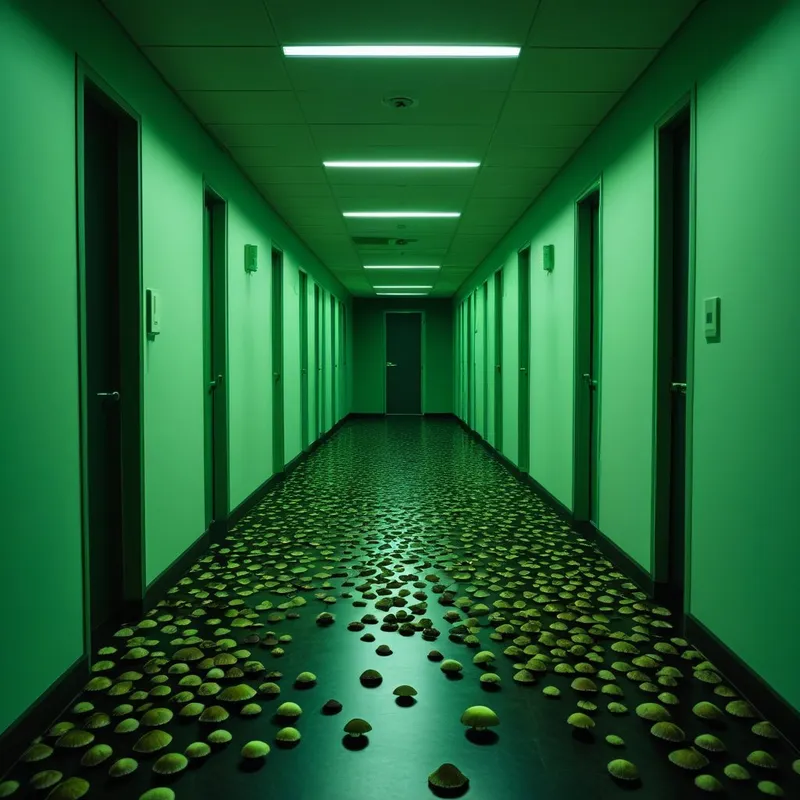
To dream of a Dokkaebi is to receive a summons from the neglected quarters of the self. The dreamscape often feels charged, liminal—a familiar place made strange, like one’s home office overgrown with forest vines. The Dokkaebi may not appear directly, but its presence is felt: rules of physics bend, objects behave with intention, a mocking laughter echoes.
Somatically, this can accompany feelings of restless energy, irritation without clear cause, or a compulsive drive to “break the rules” in one’s waking life. Psychologically, it signals that an old pattern, a long-ignored wound, or a stifled creative impulse has gathered enough psychic mass to demand attention. It is the Self announcing that the tidy persona is under siege by a more authentic, if chaotic, force. The dream is an invitation—or a warning—to engage in a contest. Will you wrestle with this energy? Can you answer its riddle? The outcome in the dream often mirrors the dreamer’s readiness to acknowledge and integrate this wild aspect.
Alchemical Translation
The myth of the Dokkaebi models a profound path of individuation: transmutation through engagement with the chaotic shadow. The process is not one of slaying the monster, but of facing it, gaming with it, and ultimately learning its language.
First is Confrontation. The Dokkaebi appears when we are spiritually “traveling” – in transition, lost, or overly rigid in our conscious attitudes. It blocks our path, demanding a contest. In life, this is the eruption of a crisis, a compulsive behavior, or a burst of creative madness that shatters our comfortable persona. We must stand our ground.
Second is The Game. We cannot fight the shadow with the ego’s brute force; it will always be stronger. We must use wit, cunning, and respect—the tools of the Trickster itself. This translates to psychological work: engaging with the complex through active imagination, art, or honest dialogue in therapy. What does this anger want? What is this mischief trying to expose?
The prize for winning the Dokkaebi’s game is never mere peace; it is the club itself—the power to transform raw shadow into conscious creation.
Finally, Integration. Winning the contest does not destroy the Dokkaebi. In many tales, it departs, leaving a gift or simply acknowledging defeat. The energy is not annihilated; its relationship to the ego is changed. The once-alien force becomes a source of resilience, creativity, and authenticity. The stained hatchet—the neglected trauma or passion—is no longer a hidden seed of chaos. Having been met, its energy is now available to the whole personality. The individual gains the Dokkaebi’s own traits: a healthy disrespect for dead conventions, a connection to the animating spirit of the world, and the capacity to summon value from the void. They become, in a grounded sense, more wholly human, carrying a spark of the wild mountain within the ordered town.
Associated Symbols
Explore related symbols from the CaleaDream lexicon: