Divine Intoxication Mast
A Sufi mystical concept where spiritual ecstasy is likened to divine intoxication, representing the soul's overwhelming union with the divine.
The Tale of Divine Intoxication Mast
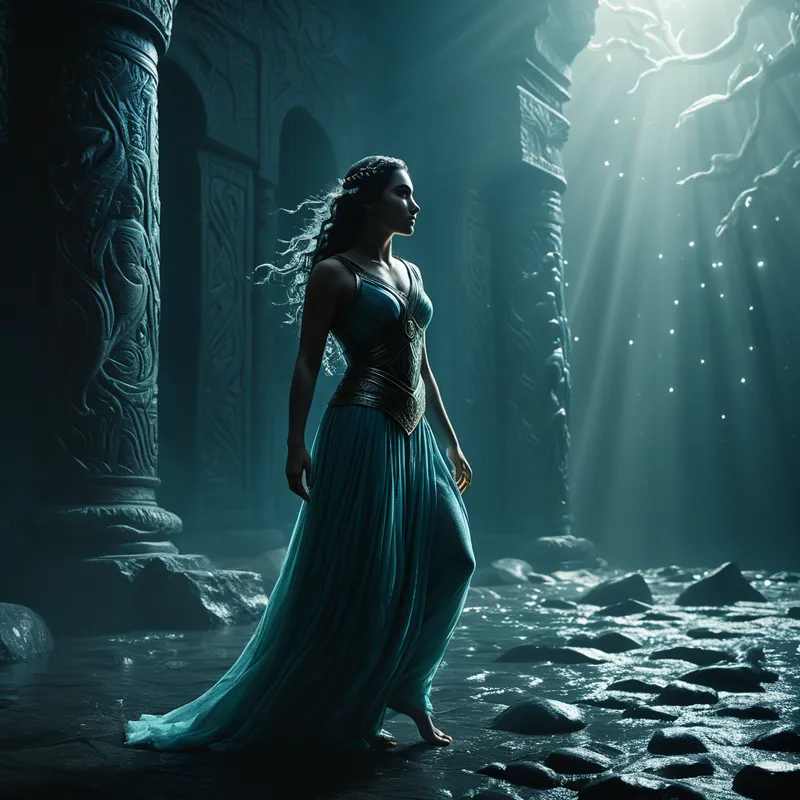
It begins not with a story of a man, but with the story of a thirst. A thirst so profound it could not be quenched by the water of wells, nor by the sweetest wine of the earthly vineyard. This was the thirst of the soul, a burning in the breast that turned the seeker, the salik, into a wanderer upon a path of fire. He sought the tavern not of this world, but the tavern of the Beloved, where the wine is poured from an eternal flask.
In this state, the seeker drinks. But this is no ordinary draught. It is the wine of divine knowledge, the intoxicating presence of the Real (al-Haqq). With the first sip, the walls of the self begin to tremble. With the second, the carefully constructed edifice of identity—the nafs with its pride and fear—starts to dissolve like salt in water. The drinker feels a warmth that is not of the sun, a light that emanates from within the very core of being. The world, once so solid and demanding, begins to shimmer and dance. The lines separating the lover from the Beloved blur.
This is the moment of Mast, the divine intoxication. The seeker is no longer a sober, calculating pilgrim. He is drunk on God. His feet may stumble on the earthly path, but his spirit soars in a realm of pure ecstasy (wajd). He may sing uncontrollably, weep rivers of joy, or dance with an abandon that scandalizes the orthodox. He is a cup overflowing, unable to contain the ocean that has been poured into him. In the poetry of the masters, he becomes like Majnun, mad with love for his Layla, who is none other than the Divine. He wanders the marketplace of the world, his clothes torn by the thorns of longing, calling out a name only he can fully hear, indifferent to the stares and whispers of those who are still "sober"—still imprisoned in the illusion of separation.
The tale is not of a single night’s revelry, but of a permanent transformation. The intoxication does not fade into a hangover of regret; it crystallizes into a new state of being. The seeker, now the Mast, lives in the world but is not of it. His consciousness is anchored in that union, that fana (annihilation in God). He sees the face of the Beloved in every leaf, hears the divine whisper in every sound. His "drunkenness" is the lucidity of one who has seen the only Reality, for whom the mundane world is the true illusion.
Cultural Origins & Context
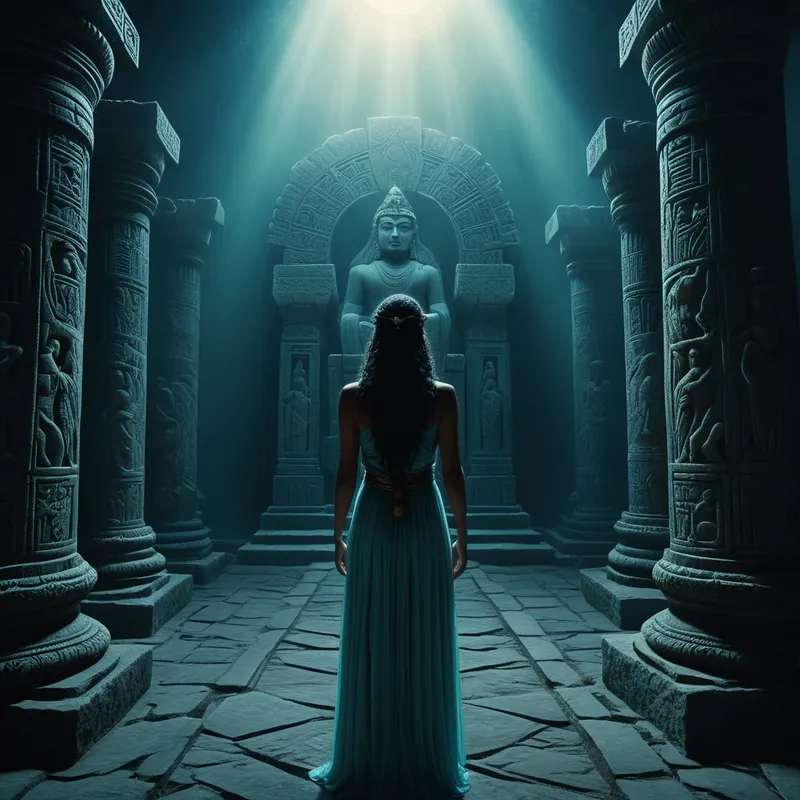
The metaphor of Divine Intoxication is woven into the very fabric of Sufism, the mystical heart of Islam. It arises from the tension between the exoteric, legalistic framework of religious law (Sharia) and the esoteric, experiential quest for direct union with God (Haqiqa). For the Sufi, the path (Tariqa) is one of love (ishq) and passionate yearning, which orthodox, sober piety often could not contain.
The concept finds its most potent expression in the Persian poetic tradition, particularly in the works of Jalal ad-Din Rumi and Hafez. Rumi’s Mathnawi and his lyrical Divan-e Shams are saturated with the imagery of the tavern, the wine-bearer (saqi), and the ecstatic collapse of the self. Hafez’s ghazals, often read as love poems, are masterful double-edged swords where erotic intoxication is the perfect cipher for spiritual ecstasy. This poetic language provided a sanctioned, if controversial, space to express experiences that were ineffable and potentially subversive.
Historically, figures like the "drunken" Sufi, Husayn ibn Mansur al-Hallaj, who declared "I am the Truth" (Ana'l-Haqq) and was executed for it, embodied the ultimate risk of this intoxication. His cry was seen as the logical, terrifying endpoint of the Mast state—the complete obliteration of the ego in the divine. The Mast thus exists on a dangerous edge, celebrated in poetry but often viewed with suspicion by religious authorities, for he represents a truth that bypasses intermediaries and threatens established hierarchies.
Symbolic Architecture
At its core, the Mast is a symbol of radical de-centering. It represents the psyche’s journey from the ego’s fortress of control to the soul’s ocean of connection. The intoxication is not a numbing, but an overwhelming awakening. It is the shock of encountering a reality so vast that the small self cannot process it except through the language of rupture—ecstasy, tears, and dance.
The wine is the light of divine essence; the cup is the human heart, hollowed out by longing to receive it. Intoxication is the state of that heart when it can no longer distinguish its own beat from the pulse of the universe.
The Mast also symbolizes the triumph of experience over dogma. He has not merely read about God; he has tasted God. His authority comes from direct encounter, making him a living challenge to purely intellectual or ritualistic religion. His "drunken" behavior—his singing, dancing, and unconventionality—is the outer manifestation of an inner revolution. It is the sacred fool’s performance, showing that divine wisdom often looks like madness to the rational world.
Furthermore, this state embodies the alchemical transformation of the base self. The "sober" ego, with its attachments and fears, is the lead. The fire of divine love is the alembic. The Mast is the gold—the self purified and remade in the image of its Beloved, radiant and weightless.
The Dreamer's Resonance
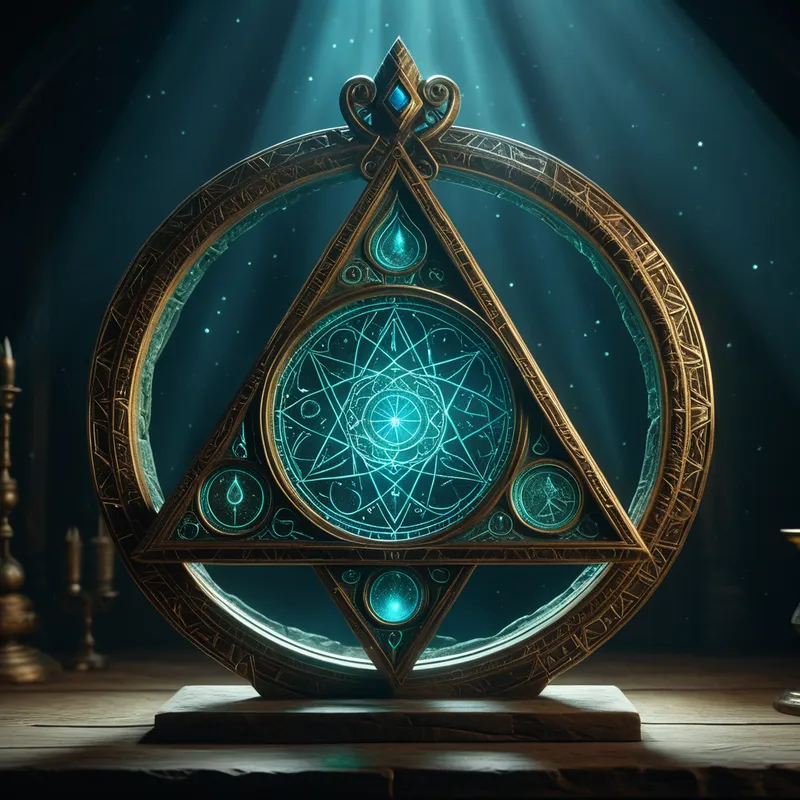
To the modern dreamer or psyche, the Mast is not a call to literal intoxication, but an archetypal invitation to surrender. In a culture that prizes control, productivity, and a carefully curated identity, the Mast represents the terrifying and liberating possibility of letting go. He symbolizes those moments when we are overcome—not by a substance, but by an experience: overwhelming grief, boundless love, awe in nature, or the flow of creative inspiration. In these states, the ego is temporarily dissolved; we are "not ourselves," and in that not-being, we touch something more authentic.
Psychologically, the Mast resonates with the process of individuation where the rigid persona must break down for the deeper Self to emerge. It is the "creative illness," the dark night of the soul that precedes a new integration. The ecstatic dance of the Mast mirrors the body’s need to express what the mind cannot contain—a somatic release of psychic energy too potent for words.
The dreamer may encounter the Mast as an inner figure during times of profound transition, urging a sacred recklessness, a trust in a process larger than the conscious will. He challenges the dreamer: What are you so soberly protecting? What wine of life or spirit are you refusing to drink for fear of losing control? He represents the soul’s imperative to experience union, even at the cost of social dignity or coherent identity.

Alchemical Translation
The alchemy of Mast is the solve et coagula—dissolve and coagulate—applied to the soul. The first, terrifying stage is solve: the dissolution of the ego (nafs) in the wine of divine presence. This is the experience of fana, annihilation. All that the individual believed themselves to be—their memories, status, fears, and desires—is broken down like grapes in the winepress. This is a psychic death.
The tavern is the crucible. The shame of the drunkard is the purifying fire. The shattered cup is the necessary condition for the heart to become the ocean.
From this dissolution comes not nothingness, but a new, subtler coagulation: baqa, subsistence in God. The self is reconstituted, but now with the divine as its center. The individual returns, but as a vessel for the transcendent. This is the sacred paradox: one must be utterly lost to be truly found. The "drunken" behavior stabilizes into a permanent orientation—a sober drunkenness where one walks in the world fully aware of its illusory nature while being utterly infused with the real. The alchemical gold is this transformed consciousness, able to hold the paradox of being both human and a conduit for the divine, both individual and universal.
Associated Symbols
Explore related symbols from the CaleaDream lexicon:
- Wine — The intoxicating essence of divine knowledge and presence, the catalyst for the dissolution of the ego and the ecstasy of union.
- Cup — The human heart or soul, which must be emptied of self to become a vessel capable of receiving the divine draught.
- Dance — The ecstatic, uncontrollable movement of the soul liberated from constraint, a somatic prayer and expression of union beyond words.
- Ocean — The boundless reality of the Divine, into which the individual soul, like a river, longs to merge and lose its separate existence.
- Fire — The burning passion of divine love (ishq) that consumes the dross of the lower self and illuminates the path to union.
- Tavern — The sacred, liminal space outside conventional religious structures where the wine of direct experience is poured and souls are remade.
- Madness — The state of holy folly, where the logic of the world is overturned by the higher logic of love, making the sage appear insane to the ordinary eye.
- Heart — The central organ of spiritual perception in Sufism, the seat of consciousness where the divine encounter occurs and transformation begins.
- Union — The ultimate goal and experience, the melting of the lover into the Beloved, where all duality is transcended in a state of perfect oneness.
- Love — The driving force of the journey, a passionate, consuming desire for the Divine that is both the path and the destination.
- Ecstasy — The overwhelming emotional and spiritual state (wajd) that results from the touch of the Divine, often expressed through tears, song, or swooning.
- Journey — The Sufi path (Tariqa) itself, the long and often arduous pilgrimage of the soul from separation back to its source in God.