Ame-no-Uzume Myth Meaning & Symbolism
The goddess whose ecstatic dance and laughter lure the sun from a cave of despair, embodying the alchemy of joy as a profound spiritual force.
The Tale of Ame-no-Uzume
Listen, and hear of a time when darkness was not a passing phase, but a permanent stain upon creation. The world was cast into a cold, silent twilight. The rivers ceased their chatter, the winds held their breath, and the hearts of the eight million kami grew heavy with a dread they had never known. For the Sun, the glorious Amaterasu Ōmikami, had vanished.
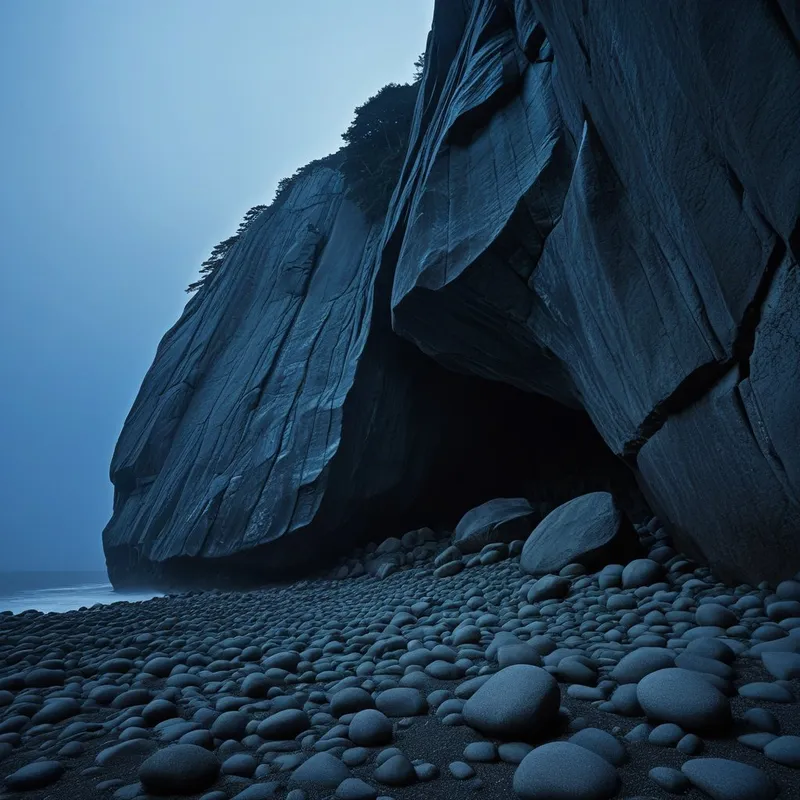
The cause was a wound, a divine insult from her brother, the storm Susanoo. In his rage and folly, he had defiled her sacred weaving hall. Humiliated and grieving, Amaterasu retreated into the Ama-no-Iwato, a celestial cavern of stone, and sealed the entrance with a mighty boulder. With her light imprisoned, the Takamagahara and the world below were plunged into an unending night. Chaos, the primeval chaos that existed before order, began to seep back into the corners of reality.
The assembled kami gathered before the cave, their divine radiance dimmed. They pleaded, they reasoned, but the rock door remained implacable, a monument to wounded pride and profound sorrow. Despair threatened to become their new sovereign. Then, from among them, stepped Ame-no-Uzume-no-Mikoto. She did not wear the face of worry, but a spark of fierce, knowing mischief.
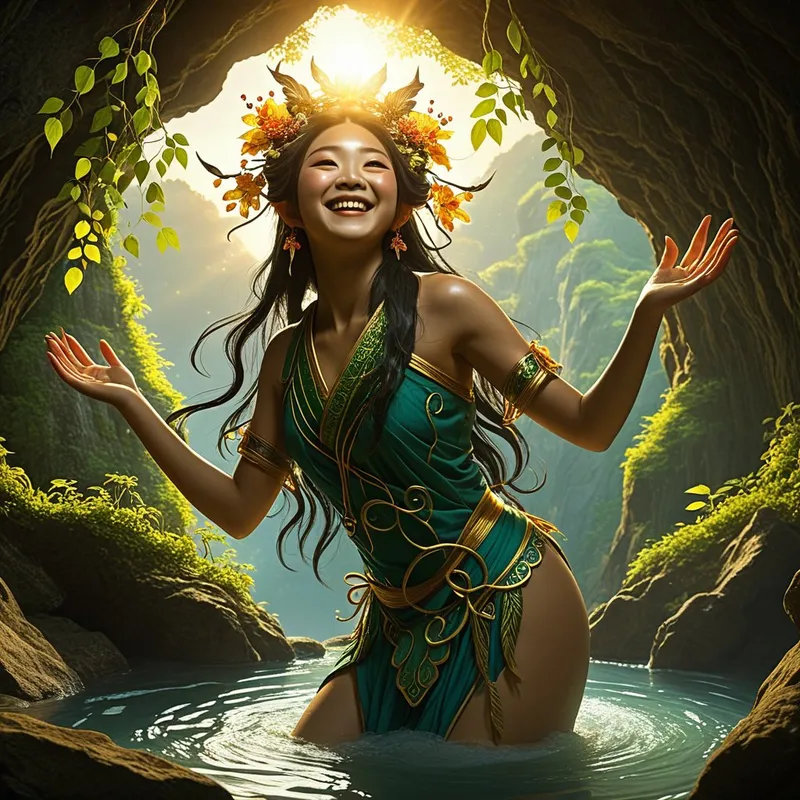
Without a word, she overturned a wooden tub before the cavern's mouth. Then, she began. She stamped upon the tub, the sound a sharp, defiant drumbeat in the silence. She gathered sacred sasa leaves in her hands. And then she danced. Not a graceful, measured dance, but a wild, ecstatic, and deliberately absurd performance. Her body convulsed with a sacred frenzy, her limbs flying in abandon. She loosened her garments, baring her breasts, and laughed—a loud, ringing, unashamed laugh that shattered the solemn dread.
The other kami stared, first in shock, then in confusion. But something in her raw, untamed joy was infectious. A chuckle broke out, then another. Soon, the very Plain of High Heaven roared with divine laughter, a cacophonous, healing wave of sound that beat against the stone door.
Inside her dark sanctuary, Amaterasu heard it. The strange, thunderous mirth piqued her curiosity. "How can there be laughter and celebration while I am hidden and the world is in darkness?" she wondered. Cracking the boulder open just a sliver, she peered out. "What is this merriment?"
At that moment, Ame-no-Uzume, in her divine prescience, cried out, "We rejoice because there is a deity here more glorious than you!" As she spoke, the Yata-no-Kagami, crafted by the skillful Ishikoridome, was held aloft before the crack. Amaterasu, seeing her own radiant reflection—a brilliance she had forgotten in her grief—drew closer in wonder. In that instant of captivated curiosity, the mighty Ame-no-Tajikarao seized the rock door and flung it aside forever.
Light, glorious and golden, flooded the heavens once more. Life, rhythm, and order were restored. And at the center of it all stood Ame-no-Uzume, her dance complete, her laughter now mingling with the dawn she had summoned.
Cultural Origins & Context
This foundational myth is recorded in Japan's oldest chronicles, the Kojiki (712 CE) and the Nihon Shoki (720 CE). These texts were not mere storybooks but political and cosmological documents, crafted to establish the divine lineage of the imperial family, descended from Amaterasu. The myth of the Rock Cave, therefore, serves a critical societal function: it explains the origin of ritual, the necessity of the imperial regalia (the mirror), and establishes a template for restoring order (kami harmony) from chaos.
Ame-no-Uzume is not a peripheral figure but a central, institutionalized force in early Shinto practice. She is considered the ancestral kami of miko, the female shamans or attendants who serve at shrines. Her ecstatic dance (kamigakari) is the archetypal act of ritual possession and divine mediation, a means of attracting the kami and facilitating their interaction with the human world. The myth was likely performed and re-enacted in early Kagura (神楽) ceremonies, making it a living, participatory theology where the community collectively invoked the return of light and fertility.
Symbolic Architecture
The myth presents a profound psychological drama where logic, pleading, and force fail, but ecstatic expression succeeds. Amaterasu’s retreat represents a state of deep depression, introversion, or psychic injury—the conscious ego withdrawing its illuminating energy from the world, plunging the inner life into stagnation and coldness. The cave is the unconscious itself, become a prison.
Ame-no-Uzume embodies the archetype of the Life-Giving Spirit, a force that operates not through opposition but through irresistible attraction. Her tools are not weapons, but instruments of revelation: rhythm, humor, the body, and unbridled authenticity.
The most profound light is not summoned by demanding it appear, but by creating a celebration so compelling that darkness becomes curious about what it is missing.
Her dance on the upturned tub is alchemical. The tub, a mundane object, becomes a sacred drum, transforming chaotic stamping into purposeful rhythm—the first step in re-ordering chaos. Her disrobing is not lewdness but a symbolic shedding of social persona, revealing the raw, instinctual self beneath. Her laughter is the key; it breaks the spell of solemn despair. It represents the psychic function that can detach from a situation’s gravity, introducing a new, liberating perspective. The mirror, then, is the final catalyst. It does not argue or flatter; it simply reflects the hidden Self back to itself, allowing Amaterasu to recognize her own inherent worth and radiance, forgotten in her wounded isolation.
The Dreamer's Resonance
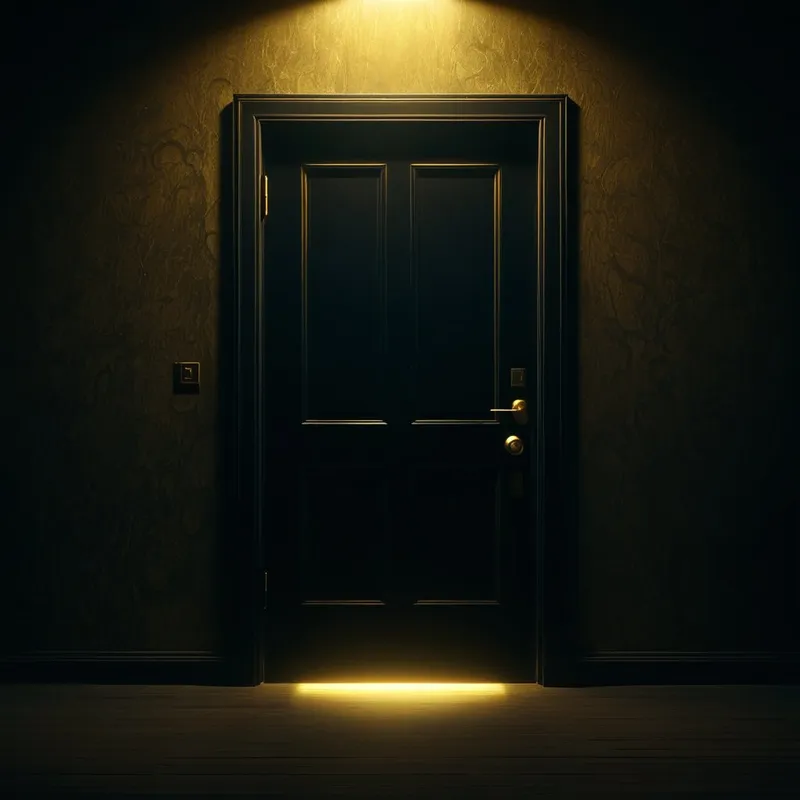
When this myth pattern stirs in the modern dreamer, it often signals a psyche laboring under a self-imposed exile. One may dream of being trapped in a dark room, unable to find the door, or of a vital, joyful part of oneself being locked away. The world of the dream feels colourless, slow, and heavy.
The somatic experience is one of contraction: a tight chest, shallow breath, a sense of being frozen or numb. Psychologically, this is the "Amaterasu complex"—a retreat into a cave of resentment, perfectionism, or depression after a perceived injury to one's dignity or creativity. The ego has identified so completely with its wound that it denies its light to the rest of the inner system.
The appearance of an Ame-no-Uzume figure in a dream—whether as a laughing stranger, an unexpected burst of music, or the dreamer themselves beginning to move in an uninhibited way—marks the psyche's innate healing intelligence activating. It is the unconscious proposing a solution that the conscious mind, steeped in the problem's logic, could never conceive: the solution of embodied joy, absurdity, and authentic expression as the means to lure the sequestered life-force back into the world.
Alchemical Translation
The individuation process modeled here is the transmutation of wounded pride into revelatory grace. The initial state is one of divine inflation—Amaterasu’s light is so central to her identity that an insult to it causes total systemic collapse. The alchemical work is not to diminish the sun, but to change its relationship to itself.
Ame-no-Uzume represents the neglected psychic function that must be integrated. For the overly serious, rational, or spiritually austere individual, she is the call to integrate the Jester. Her dance is the "foolish" act that breaks a deadly serious identification: starting to create without concern for the outcome, allowing the body to move without judgment, speaking a vulnerable truth with laughter in one's voice.
The cave of despair is sealed by the ego's hand, but it can only be opened by the soul's laughter.
The ritual objects are internalized. The "upturned tub" is any mundane activity turned into a personal ritual of rhythm and presence—walking, breathing, a simple craft. The "mirror" is the practice of self-reflection devoid of criticism, simply observing one's own being with curiosity. The final act, the flooding of the world with light, is the moment of psychic integration. The liberated energy—creativity, vitality, love—no longer belongs solely to the inflated ego but is returned to the service of the whole Self and, by extension, the world. One does not just have a talent or a light; one becomes a clearing through which it can freely flow, having learned that it is immune to true destruction and is most powerfully summoned not by force, but by festivity.
Associated Symbols
Explore related symbols from the CaleaDream lexicon: