The Human Form: The Somatic Architecture of the Self
The Somatic Echo
It begins not as an image, but as a pressure. A density in the chest, a phantom weight in the limbs, a sensation of being poured into a vessel that is simultaneously too tight and cavernously empty. This is the somatic echo of the human form in dreams—the body’s deep intelligence reporting on the state of the psyche’s architecture before the mind can assemble a narrative. It is the feeling of a blueprint etched in nerve and bone, a map of the self that is being surveyed, repaired, or entirely redrawn in the silent laboratories of sleep. You feel the contours of your persona like a suit you’ve worn too long, and beneath it, the ache of disowned parts—the atrophied muscle of courage, the calcified joint of grief, the humming, overactive circuit of anxiety. The dream of the human form is the psyche insisting you feel your own construction.
The Dreamer's Log
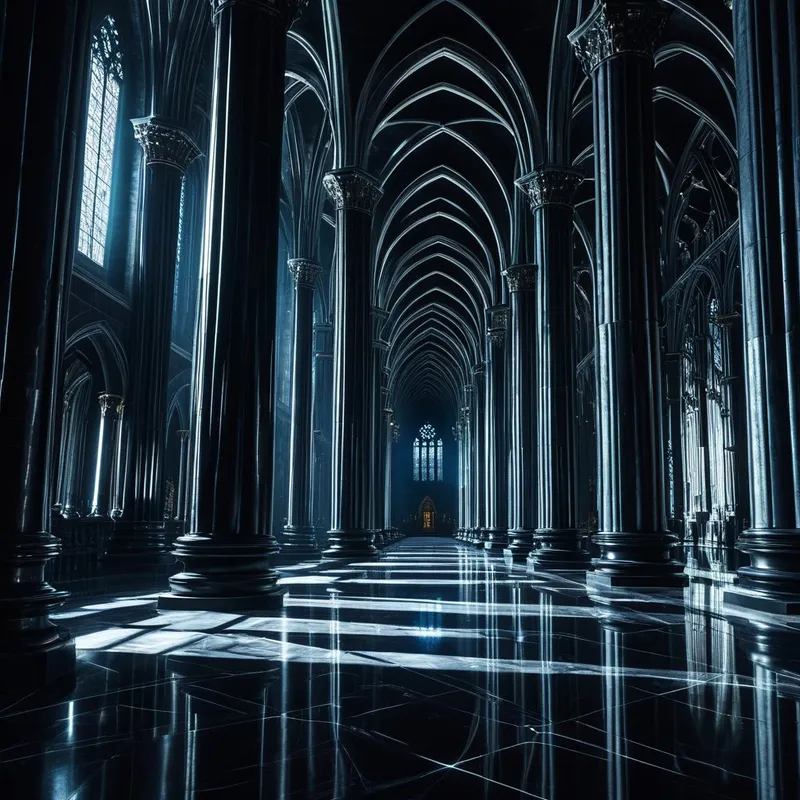
In the dream, I am led into a silent, vaulted chamber. On a stone slab lies a form—human, but carved from a single piece of dark, polished stone. It has no face, no details, only the suggestion of limbs and a torso. A voice, without source, says, "It is waiting for your breath." I reach out, but my fingers are made of smoke.
Alchemical Interpretation: The dream presents the latent, potential Self—the unanimated prima materia of identity—awaiting the animating spirit of conscious engagement from a dreamer who currently experiences their own agency as insubstantial.

The False Lead
This theme is not a simple commentary on body image or physical health, though it may wear those clothes. To interpret a dream of a melting face as mere anxiety about aging, or of a giant body as a wish for power, is to mistake the symphony for a single note. These are not literal forecasts but symbolic equations. The terror of a crumbling form is not a prophecy of illness, but the psyche’s honest depiction of a crumbling internal structure—a belief system, a relationship to authority, a sense of purpose—losing its integrity. The grief is for a way of being that must dissolve so that a more authentic configuration can take its place.
Psychological Architecture
Here, in the shadowed workshop, the real labor occurs. The human form in dreams is the visible interface of our Internal Family System. That stone figure on the slab? It is the Exiled part, the vulnerable child frozen in trauma, deemed too painful to inhabit. The monstrous, pursuing figure with too many arms? That is a Firefighter part, a protector gone rogue, its frantic distortion a desperate attempt to manage overwhelming feeling. The process of Individuation, of becoming whole, is not about destroying these parts but about witnessing their architecture. It is the slow, courageous work of approaching the stone form and, instead of fearing its cold perfection, sitting with it. It is asking the monstrous protector, "What are you trying to save me from?" This is Shadow work: re-membering the dismembered. It is the reintegration of the power we left in the shadow of the parent, the sensitivity we buried under cynicism, the wildness we caged in civility. The dream shows us the current blueprint, complete with walled-off rooms and unstable foundations, so we may become the architect of a more gracious, integrated home.
Mythic Resonance
We see this universal firmware in the myth of Osiris, dismembered by Set, his body parts scattered across Egypt. Isis does not find a new god; she gathers the fragments and reconstitutes him, a sovereign whole born from the act of profound recollection. The form was shattered, not to end it, but to necessitate a more conscious reassembly. Similarly, the tale of the Golem echoes in our digital age—a human form fashioned from clay (the raw earth of the unconscious) and animated by inscribed word (the logos of conscious intent). It speaks to the awesome and terrifying responsibility of giving form to the formless forces within us. Will our creation be a servant of our wholeness, or a monstrous expression of our unintegrated shadow?
Symbolic Nodes
- Distortion: Melting, stretching, shrinking, or transparent flesh.
- Multiplication: Extra limbs, eyes, or heads; seeing one's own body from outside.
- Transformation: Becoming animal, mineral, machine, or elemental.
- Fragmentation: Bodies of clay, glass, or puzzle pieces; dismemberment.
- Absence/Presence: Featureless faces, hollow chests, or overwhelmingly detailed internal anatomies.
- Construction/Deconstruction: Being assembled, repaired, or taken apart by unseen hands or forces.
Archetypal Resonance
The dreams of the human form hum with the core frequency of The Creator Archetype. This is not merely about artistic endeavor, but about the fundamental human impulse to give form to essence. The somatic echo is the Creator’s restlessness—the pressure of unmanifest potential in the chest, the itch in the hands to shape the raw material of experience. Its shadow, the Mad Scientist or Self-Centered Creator, manifests in dreams as bodies built for power without heart, or forms so perfect they are sterile and isolating, reflecting a psyche that seeks to construct an identity in defiance of nature, relationship, or vulnerability. The alchemical potential here is to move from the Shadow’s solipsistic fabrication to the true Creator’s sacred artistry: using the heat of lived experience to sculpt a self that is both a unique creation and an integral part of the greater human tapestry.
The Alchemical Process
The alchemical transmutation of the human form is the Solve et Coagula—dissolve and coagulate—applied to the very substance of identity. The intense psychological heat is generated by the tension between who you have believed yourself to be (the familiar, often cramped form) and the potential self the dream reveals (the stone figure, the giant, the transparent body). This heat is felt as identity crisis, profound grief for outgrown selves, and the terror of the formless. The pressure is the weight of existential responsibility: "If I am not that, then what, and who, am I to become?" The transformation occurs when you stop fleeing the melting sensation and instead allow the old architecture to dissolve. You must become the vessel and the substance within it, simultaneously. The grief of the lost form is transmuted into sovereignty when you realize you are not the crumbling clay, but the hand that holds it—and the conscious breath that decides what to shape next.

The Integration Protocol
Question 1: When you feel the somatic echo of this dream—the pressure, density, or emptiness—what specific belief or old story about yourself feels most physically present in that sensation?
Question 2: If the form in your dream (whether distorted, ideal, or fragmented) could speak one sentence of truth about what it needs to become whole, what would it say?
Question 3: What part of your current "form"—your personality, habits, or self-presentation—feels most like a protective shell or costume, and what vulnerable, authentic quality is it designed to shelter?
Action 1 (Somatic Grounding): For three minutes upon waking, lie still. Do not recall the dream images. Instead, scan your body for the feeling the dream left behind. Locate its epicenter. Breathe into that space, not to change it, but to acknowledge its message. Whisper, "I feel you."
Action 2 (Unstructured Re-Forming): Take a large piece of paper and soft charcoal or clay. Without planning, let your hands express the sensation of the dream's form. Create a smear, a shape, a texture. This is not art; it is a direct transcript from the somatic echo to the physical world. Destroy it or keep it without judgment.
Action 3 (Ritual of Intentional Embodiment): Choose one small, integrated action your dream-self seemed capable of (e.g., standing firm, being transparent, reaching out). Consciously perform this action in your waking life today in a symbolic way. If the form was about bearing weight, carry something with deliberate grace. If it was about transparency, speak one honest sentence you normally would withhold. You are programming the new blueprint through enacted metaphor.
Final Validation
To dream of the human form is to be entrusted with a profound and disorienting grace. It means your psyche is engaged in the deepest kind of work: the remaking of the vessel that carries your spirit. The fear, the grief, the sheer strangeness of it are not signs of breaking, but of becoming. The sovereignty you seek does not come from finding a perfect, static form, but from embracing the sacred, ongoing responsibility of being both the sculptor and the clay. You are not falling apart. You are being recalled to the workshop, handed the tools, and asked, with great love, to participate in your own magnificent, never-ending creation.