The Somatic Echo
Before the mind conjures an image, the body knows. The dream of Structure announces itself not as a thought, but as a pressure. It is the deep, tectonic ache in the jaw from holding a shape too tightly. It is the phantom weight of invisible beams across the shoulders, a sensation of being both the load-bearing wall and the weight it carries. There is a specific, hollow vibration in the solar plexus—the feeling of an empty elevator shaft at the core of you, cables groaning with the strain of ascent or the terror of freefall. This is the somatic ground from which the dream-images of towers, bridges, labyrinths, and ruins will rise. It is the body’s silent log of its own architecture, reporting stress fractures long before the conscious mind hears the creak.
The Dreamer's Log
The dream is always the same: I am in a vast, forgotten server room, a cathedral of obsolete technology. My task is to trace a single cable from its origin to its terminus. But the cables are thick as vines, fused together in impossible knots, pulsing with a dull, green light. I follow one, and it leads me in a circle, back to my own starting point, the server rack humming with a sound like a trapped wasp.
This is the alchemy of the tangled circuit: a psyche mapping its own feedback loops, seeking the primary code within the chaos of conditioned responses.

The False Lead
Do not mistake the dream of Structure for a simple nightmare of collapse or a literal anxiety about your job or home. The crumbling tower is not a prophecy of misfortune; the labyrinth is not merely a symbol for a confusing relationship. These are the superficial readings. The true theme speaks to the architecture of the self. A dream of a fragile bridge is not about a fear of travel, but about the integrity of the connection between who you were and who you are becoming. The locked door is not about an external barrier, but about a chamber of the heart or mind you have walled off from your own awareness. To interpret these dreams as external portents is to remain a tenant in your own psyche, complaining about the plumbing, rather than recognizing yourself as the architect, the builder, and the very ground upon which it all stands.
Psychological Architecture
Here lies the deep Shadow work: to become conscious of the blueprints you inherited but never signed. We are born into psychic structures—family systems, cultural narratives, trauma responses—that form our initial load-bearing walls. The dream of Structure emerges when these inherited frameworks can no longer contain the expanding consciousness of the living soul. A wall must come down, but the terror is existential: if I remove this beam, what if the whole ceiling falls?
This is the individuation process in its most concrete form. It is not an airy transcendence, but a gritty, internal renovation. You must enter the basement of your being, that damp and shadowed place, and assess the foundation. You will meet the internal family of subpersonalities: the Inner Foreman who insists, “This is how it’s always been built,” the Orphaned Child huddled in a corner of the old structure, afraid of the open sky, and the Rebel who wants to demolish everything with dynamite. The work is to listen to each, to feel the truth in their fears and their rages, and then, from a place of deeper sovereignty, to redesign. To integrate is to build a structure that honors the history in the old stones but is aligned to the true north of your present spirit.
Mythic Resonance
Consider the myth of the Minotaur’s Labyrinth. The common reading is of a hero slaying a beast. But go deeper. The Labyrinth was a structure built by the master architect Daedalus to contain a shameful, monstrous truth—the offspring of a broken vow. The hero Theseus does not simply fight; he is given a thread by Ariadne, a symbol of connection to the outer world and to love. His journey is one of navigating a structure of containment. He moves into the heart of the shame (the Shadow), does what must be done, and uses the thread to find his way back out, fundamentally altering the structure’s purpose from a prison to a traversable path. The myth is not about the monster, but about the psyche’s capacity to thread its way through the complex, defensive architecture it once built for its own survival.
Symbolic Nodes
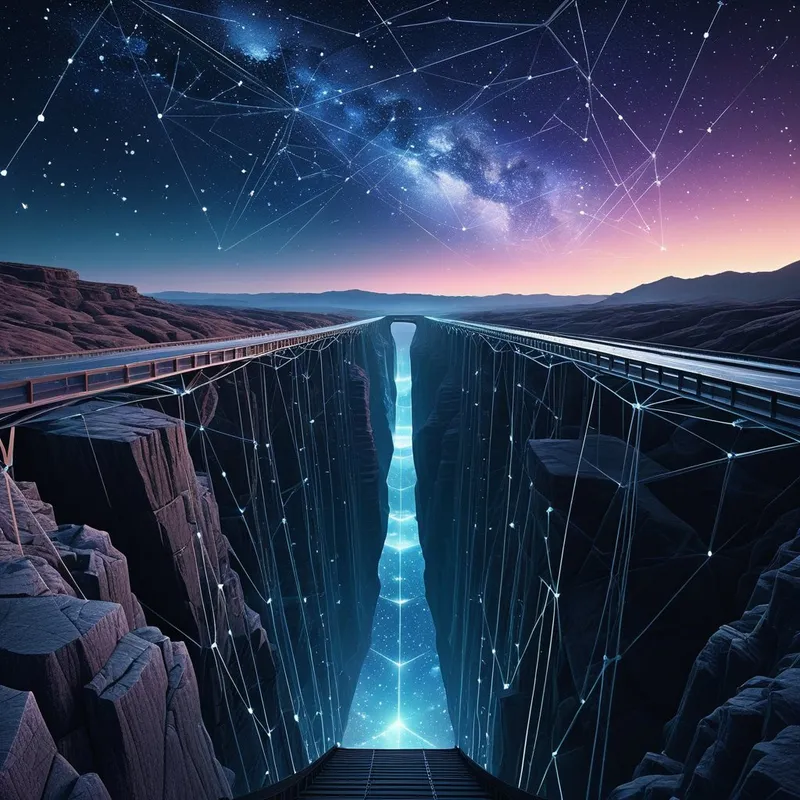
- Bridges: Connections between states of being, ideas, or aspects of the self. Their condition—stable, swaying, broken—reveals the integrity of these links.
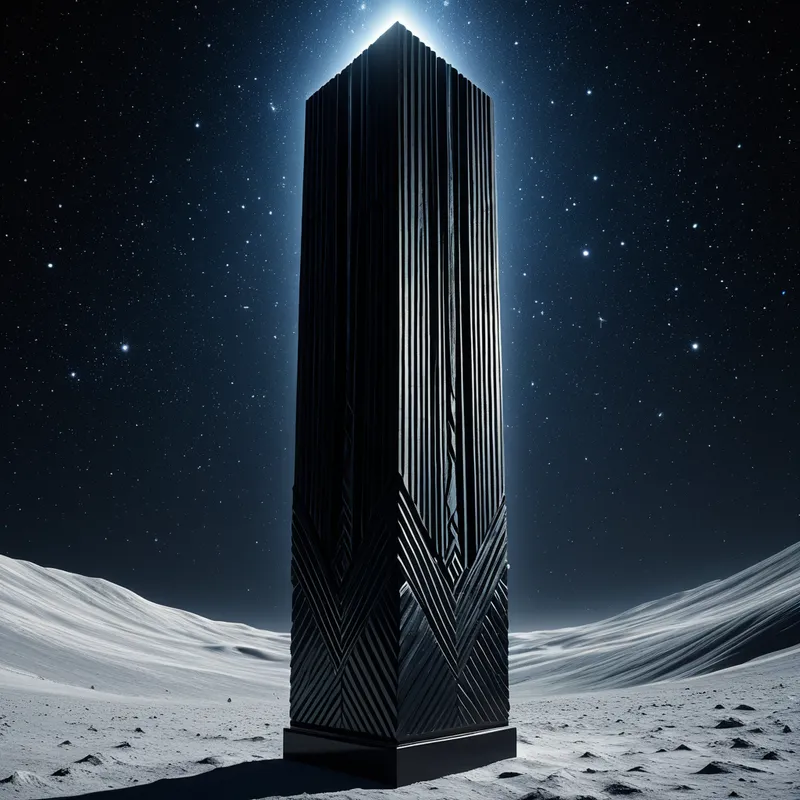
- Towers & Skyscrapers: Ambition, aspiration, spiritual reach, or isolated ego. A leaning tower speaks of foundational imbalance; a transparent one of vulnerable visibility.
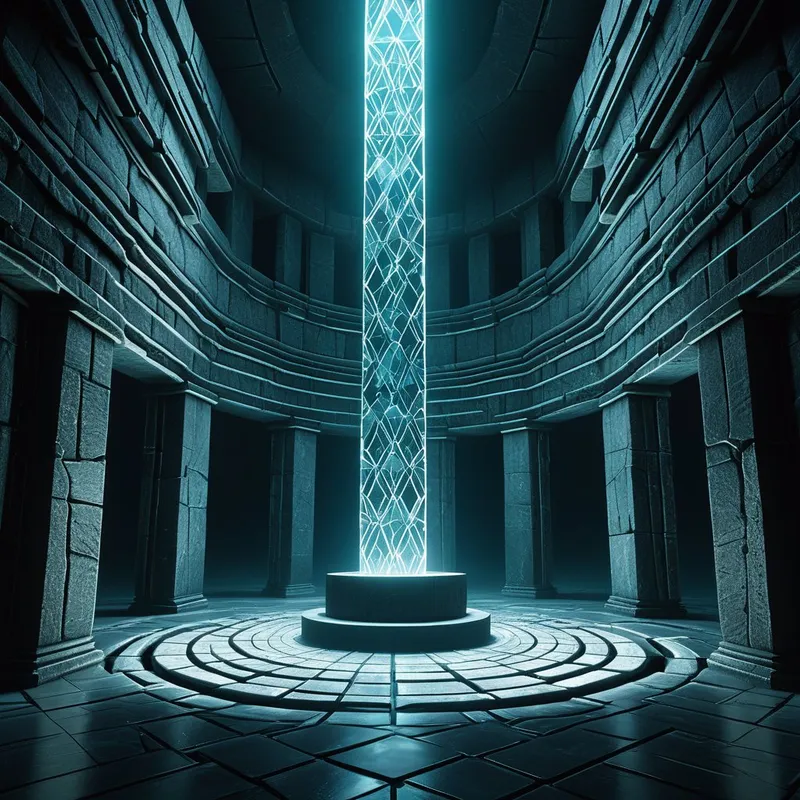
- Foundations, Basements, Cellars: The subconscious, inherited patterns, repressed memories, and the structural integrity of the whole.
- Labyrinths/Mazes: The complex, often defensive structure of the psyche, the journey to the center of the Self.
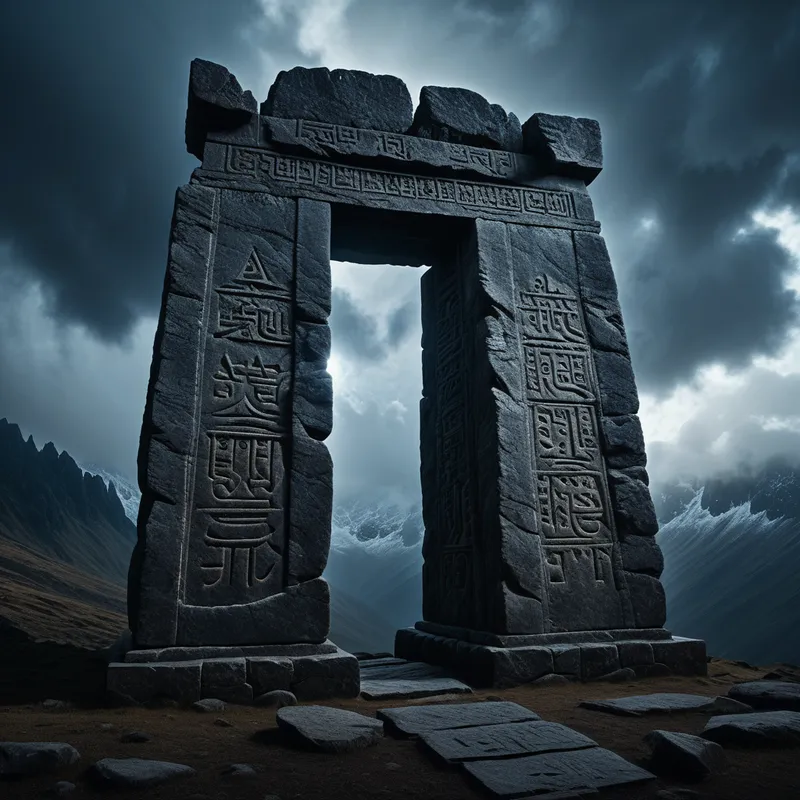
- Doors, Hallways, Staircases: Transitions, thresholds, access (or lack thereof) to new rooms of potential within the self.
- Cables, Circuits, Schematics: The neural pathways of belief, the wiring of habit and thought, the flow (or blockage) of vital energy and information.
- Ruins: The beautiful, poignant evidence of a structure that has served its purpose and fallen, making space for something new.
Archetypal Resonance
The Creator Archetype is the master architect of this dream-space. Its energy is not merely about artistic expression, but about the fundamental human impulse to give form to the formless, to shape chaos into a habitable, meaningful order. The somatic echo—that pressure in the bones—is the Creator feeling the constraints of an old form, itching to draft new plans. Its shadow, the Mad Scientist or Self-Centered Creator, manifests when we become tyrannical architects of our own lives, building rigid, isolating structures of perfectionism or control, forgetting that a true creation must breathe and grow. The alchemical potential here is immense: the Creator holds the power to consciously dismantle the prison and, from the same materials, build a sanctuary.
The Alchemical Process
The transmutation of Structure is the move from being contained by to consciously creating your form. The prima materia is the raw grief and terror of collapse—the feeling that your world, your identity, is coming apart. The alchemical fire is the sustained, conscious pressure of holding that disintegration without rushing to rebuild the old shape. You must dwell in the liminal space of the ruin. This is the solve: the dissolution of rigid, outgrown forms. The heat comes from the anxiety, the fear of the void, the voices of internal and external critics demanding you “put yourself back together.”
Then comes the coagula: the recombination. This is not a return, but a revelation. From the dissolved elements—the memories, the traits, the lessons of the old structure—a new pattern coalesces. It is not built from scratch, but re-membered. The pressure transforms the grief of loss into the profound sovereignty of choice. You are no longer a passive inhabitant of an inherited psychic house. You become the land, the architect, and the builder all at once, erecting a structure that is resilient because it is authentic, because it has conscious foundations laid by your own hand.
The Integration Protocol
Question 1: In your waking life, where do you feel the most profound sense of "pressure" or "load-bearing"—not necessarily physically, but psychically or emotionally? What structure (a belief, a role, a routine) is creating that strain?
Question 2: If your current inner world were a building, what one room is most often locked? What would you find inside if you dared to turn the key?
Question 3: Recall a time an old structure in your life collapsed (a relationship, a career path, a belief). Instead of focusing on the loss, what essential, indestructible "material" did that experience leave you with that you still have today?
Action 1 (Somatic Blueprint): Stand barefoot. Feel your feet on the ground. Imagine roots descending from your soles, anchoring you. Now, slowly scan your body upward. Where do you feel held, supported? Where do you feel rigidity or hollow strain? Don’t change it. Just map it. This is your body’s current architectural report.
Action 2 (Unstructured Cartography): With a large piece of paper and pens, draw the map of your internal landscape. Do not think. Let your hand move. Let it sketch continents of passion, cities of memory, rivers of thought, and most importantly, the structures. What bridges connect which lands? Are there walled-off territories? Ruined castles? Let the drawing be a non-verbal audit of your psychic architecture.
Action 3 (Ritual of Keystone): Find a small, solid stone. Hold it and imbue it with the quality of your most resilient, core Self—your integrity, your courage, your compassion. In a quiet moment, place this stone somewhere significant: in a garden, at the base of a tree, on your altar. As you place it, state silently or aloud: "This is my foundation. Upon this, I choose to build."
Final Validation
It is terrifying to feel the foundations shake. It is exhausting to be the constant architect of your soul. This work is not for the faint of heart; it is the labor of a lifetime. Yet, within that very terror lies your supreme authority. Every dream of a cracking wall, every nightmare of a lost path, is not a prophecy of doom, but a sacred summons from the depths. It is your own psyche, in its ancient and loving intelligence, handing you the drafting tools. The structure may tremble, but the ground of your being is eternal. You are not the building that may fall. You are the unshakable earth upon which all things—and all new beginnings—are built.