The Dream of Ritual Transition: An Initiation into a New Self
The Somatic Echo
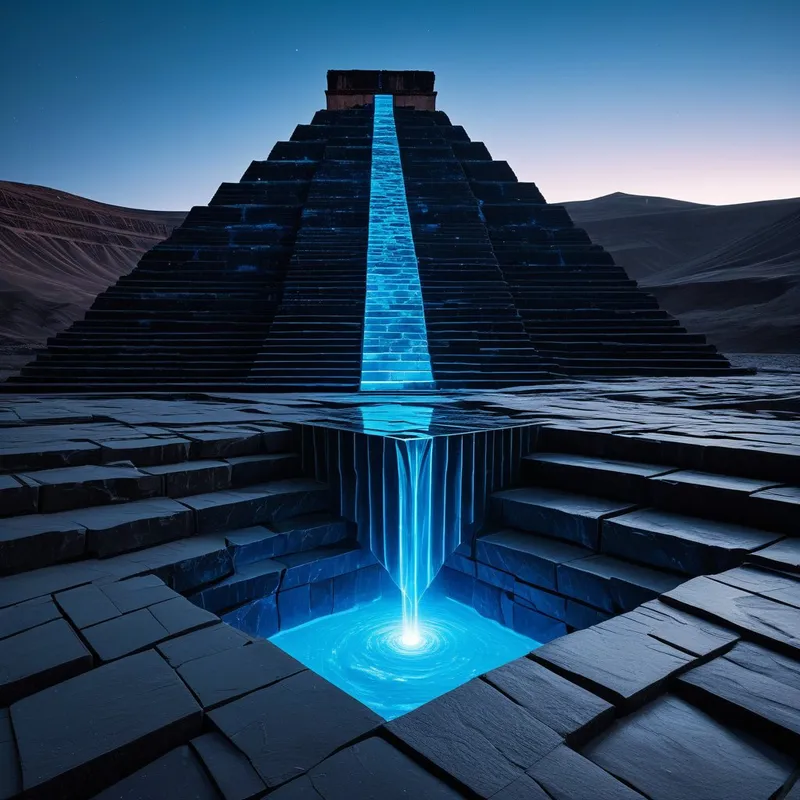
It begins not with an image, but with a feeling. A gravity in the chest, a hollowing out behind the sternum as if a vital organ has been quietly removed. There is a sense of being watched by the architecture of your own life, the walls of your daily routine suddenly feeling like a stage set. The air grows thick, ceremonial. Your breath becomes shallow, a conscious act. This is the body’s prelude to a psychic earthquake—the visceral recognition that you are standing at a threshold. The old ground is dissolving, and the new ground has not yet formed. You are in the liminal space, the temenos, where the only solid thing is the ritual itself.
The Dreamer's Log
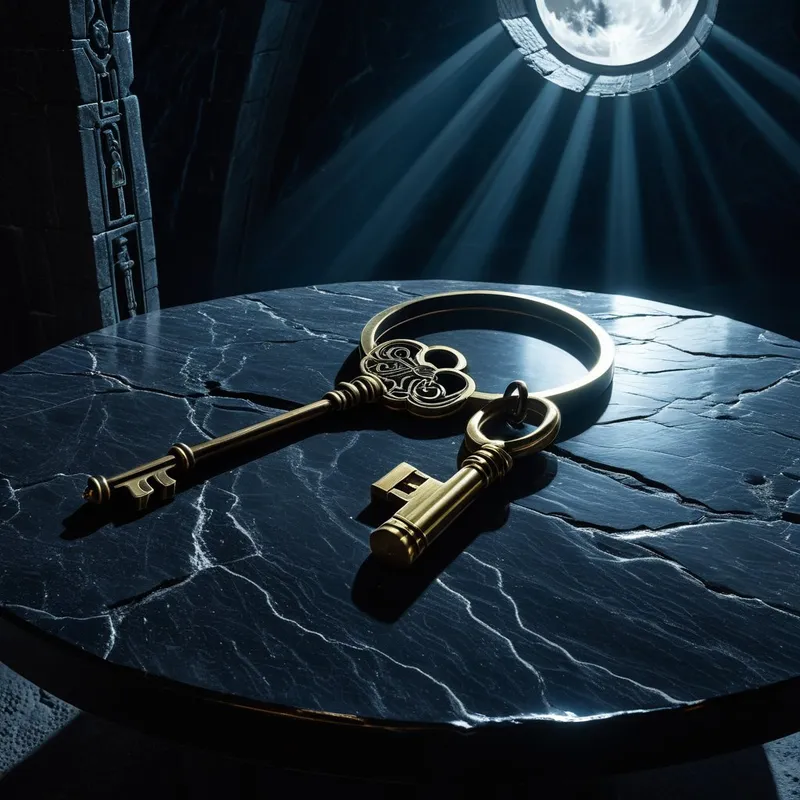
The dreamer stands in a vast, silent library where the books are bound in skin that breathes. A hooded figure, faceless but familiar, places a heavy, cold key into their palm. The instruction is not spoken but known: Find the door this opens, but know you cannot return the way you came. The key begins to dissolve, seeping into their lifeline like ink.
This is the psyche’s alchemical contract: to receive the tool of liberation, you must first metabolize its weight and accept the irrevocable nature of the passage it demands.
The False Lead
This is not a dream about simple change, nor is it a portent of external bad luck. A ritual transition is not the chaos of a storm tearing the roof off; it is the deliberate, sacred dismantling of the roof by your own hands because the structure beneath can no longer contain you. To mistake this profound, internal initiation for mere misfortune is to spit in the face of the Self that is trying to be born. The terror is not a sign you are wrong; it is the signature of something profoundly right pressing against the confines of what you have known.
Psychological Architecture
Here, Shadow work is not a battle but a ceremony. The psyche, in its infinite wisdom, constructs a formal rite because the transition is too vast, too dangerous, to be left to the whims of the conscious ego. The ritual is the container for the chaos of transformation. You are not just changing a habit or ending a relationship; you are dissolving an entire internal family system—a council of sub-personalities, protectors, and exiles that has governed your inner world. The "orphaned" part that learned to be small, the "caregiver" that smothers in the name of love, the "ruler" that maintains control through tyranny—each must be acknowledged, thanked, and released from their old posts. This is the individuation process in its most raw form: the conscious ego does not lead this ritual; it submits to it. It becomes the sacrificial object on the altar, so that a more authentic center of gravity, the Self, can emerge.
Mythic Resonance
Consider Inanna’s descent. The Sumerian goddess of heaven and earth does not stumble into the underworld; she chooses to go, donning her seven sacred me, her symbols of power. At each of the seven gates, she is stripped of one, until she arrives naked and bowed before her sister, Ereshkigal, and is hung on a hook. This is not defeat, but the essential formula of ritual transition: to gain a deeper sovereignty, you must willingly surrender the trappings of your current identity. The return journey, where she reclaims her me, is only possible because she first allowed them to be taken. The myth lives in us when we dream of handing over a prized possession, removing a crown, or walking through a series of arches that each demand a piece of us.
Symbolic Nodes
- Crossing a bridge that dissolves behind you.
- Being handed a sealed scroll, a key, or an unmarked vial.
- Participating in a silent, solemn procession with unknown figures.
- Standing before a door that was not there yesterday.
- Exchanging your everyday clothes for ceremonial robes (or being stripped of them).
- A formal, wordless exchange—a bow, a passed object, a sealed pact.
- A clock striking an hour that does not exist.
Archetypal Resonance
The energy humming at the core of the Ritual Transition dream is that of The Magician Archetype. Not the stage illusionist, but the deep alchemist who understands the fundamental laws of reality and works within them to transmute base material into gold. The somatic echo—the charged, ceremonial atmosphere—is the Magician’s sacred space, the temenos where the rules of the ordinary world are suspended. The ritual itself is the Magician’s technology, the precise operation that catalyzes change. This archetype’s shadow, the Manipulator, is the peril here: the ego’s attempt to hijack the ritual for its own ends, to fake the surrender, to seek power without the requisite dissolution. The alchemical potential lies in submitting to the true Magician within—the deep psyche—allowing it to perform the operation on you, transforming the lead of your former identity into the gold of a more integrated Self.
The Alchemical Process
The alchemy of ritual transition is Solve et Coagula—to dissolve and to coagulate. The intense psychological heat, the nigredo, is generated by the conscious, agonizing participation in your own dismantling. You must hold the grief for what is being lost—not just an external circumstance, but an entire way of being. The pressure is the unwavering demand of the ritual: you must follow the steps even when you are blind to their purpose. There is no bypass. The terror is the solvent. You allow the familiar structures of your personality, your defenses, and your stories to dissolve in this bath of awe and fear. Only from this black, chaotic solution can a new substance precipitate. The coagulation is not a return to form, but the slow, mysterious crystallization of a new pattern around the authentic core of the Self. The sovereignty gained is not over your world, but over the process of your own becoming.

The Integration Protocol
Question 1: What identity, role, or cherished self-story did the ritual in my dream ask me to surrender or leave behind?
Question 2: If the key, scroll, or object offered in the dream represents a new capacity, what old way of operating must I release to fully wield it?
Question 3: Who were the silent witnesses or officiants in my dream ritual? What parts of my own psyche might they represent, and what blessing or judgment did they hold?
Action 1 (Somatic Anchoring): For one minute each morning, stand still and place a hand over your heart. Do not try to calm it. Simply feel its rhythm, its animal insistence. This is the drumbeat that continues through all rituals, the constant beneath the change. Acknowledge it.
Action 2 (Unstructured Mapping): Without planning, take a large piece of paper and draw two landscapes. One is the "territory" you are leaving (use shapes, colors, textures—not literal images). The other is the vague, emerging territory hinted at in the dream. Draw a threshold between them. Let the drawing be messy, symbolic, and incomplete.
Action 3 (Micro-Ritual of Passage): Physically enact a small, symbolic transition. At dusk, light a candle to mark the end of a day. Speak aloud one thing you consciously release from this day. Then, blow the candle out. Sit in the full darkness for three breaths before turning on an electric light, formally crossing into the "night" phase. The act must be deliberate and slightly formal.
Final Validation
It is right to be afraid. The psyche does not stage a sacred ritual for trivialities. The gravity you feel is a measure of the significance of this inner event. You are not breaking down; you are being initiated. The ceremony may be terrifying, but its very existence is proof of a profound intelligence within you, one that knows you are ready for a sovereignty your waking self cannot yet imagine. Trust the ritual. It is the oldest architecture of the soul, and it is building a home for the person you are becoming.