The Dream Language of the Tribe: Decoding Cultural Symbolism
The Somatic Echo
Before the image forms, there is a feeling. It is not a thought of a temple, a flag, or a ritual mask. It is a vibration in the marrow—a deep, resonant hum that feels both ancient and intimately personal. It is the weight of a thousand gazes you cannot see, the echo of a chant in a language you’ve never learned. Your body becomes a vessel for a memory that is not yours, yet feels more familiar than your own breath. There is a gravity to it, a pull toward something vast and patterned, a sense of being both an individual drop and part of a timeless ocean. This somatic echo is the psyche’s first whisper: you are not dreaming in a vacuum. You are dreaming within a lineage.
The Dreamer's Log (Case Vignette)
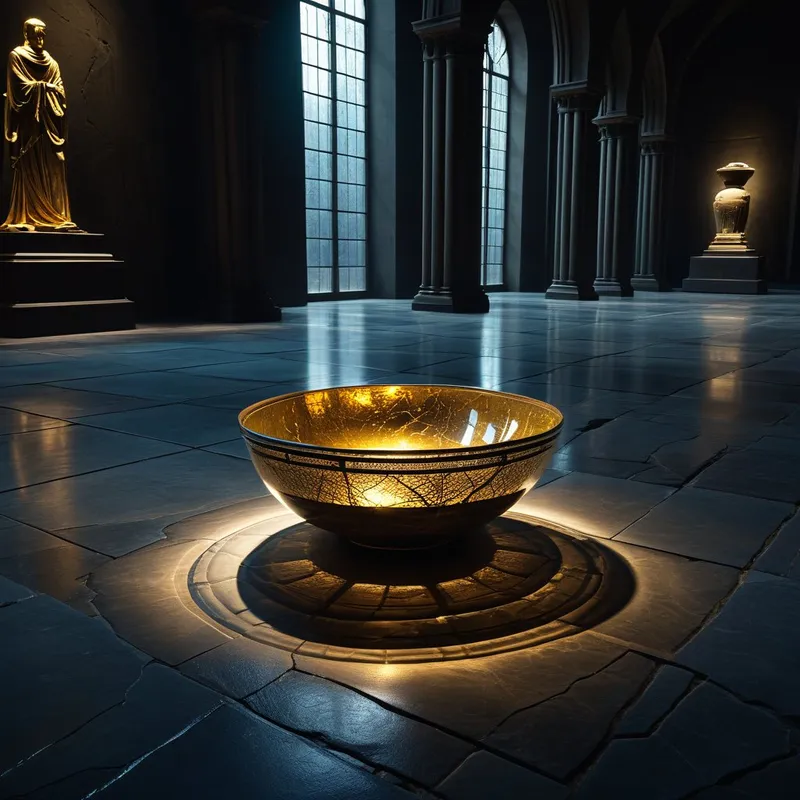
I am in a museum, but it is my own home. In a glass case, I find a simple, cracked ceramic bowl from my grandmother’s kitchen. As I look closer, the cracks begin to glow with a soft, golden light, and through them, I can see not the other side of the case, but rolling hills under a foreign sky, and people moving in a slow, ceremonial dance.
Alchemical Interpretation: The dream alchemizes the personal heirloom (the bowl, the grandmother) into a living portal, transmuting fragmented family memory into direct, visceral connection to the cultural soil from which it grew.
The False Lead
This theme is not about nostalgia or a simplistic longing for “the old ways.” It is not a command from your ancestors to adopt specific traditions or reject modernity. To interpret it as such is to mistake the map for the territory. The cultural symbol in your dream is not a prescription for how to live; it is a mirror for understanding why you live as you do. It is not about external allegiance, but about internal reconciliation. The dream is not saying, “Go back.” It is asking, “What within you, forged in the fires of your lineage, is seeking recognition and integration now?”
Psychological Architecture
Here, the Shadow work is an archaeology of the inherited self. We each carry within us an internal family system that stretches back generations—not just of people, but of values, traumas, triumphs, and survival strategies. A cultural symbol in a dream often points to a complex—a charged cluster of thoughts, feelings, and memories—that is collective in nature. To individuate is not to erase this inheritance, but to consciously sort through it. It is to hold the sacred text and the silent taboo in each hand, feeling their weight. It requires discerning what is authentic soul-food from your lineage and what is merely unexamined psychic baggage. The process feels like gently disentangling your own voice from a chorus of ghosts, learning to sing a harmony that is uniquely yours within the ancient song.
Mythic Resonance
Consider the Greek myth of Ariadne and the Minotaur’s Labyrinth. The labyrinth itself is a profound cultural symbol—a man-made, intricate structure representing the convoluted maze of societal rules, familial expectations, and inherited fate. Theseus, the hero, must enter this inherited structure to face the monstrous shadow (the Minotaur) at its center. But he cannot navigate it alone. He needs Ariadne’s thread, a gift of intuitive, connective wisdom that links him back to his point of origin. The dream of cultural symbolism often presents us with our own labyrinth—the complex patterns of our upbringing and heritage. The work is not to destroy the labyrinth, but to find our Ariadne’s thread: the conscious, connecting principle that allows us to traverse its depths, integrate the shadow, and re-emerge with sovereignty.
Symbolic Nodes
- Ritual Objects & Sacred Spaces: Altars, chalices, masks, temples, churches, mosques, stone circles.
- National & Familial Emblems: Flags, coats of arms, tartans, signet rings, heirlooms that feel "charged."
- Archaic Clothing & Uniforms: Traditional garb, military uniforms from another era, robes of office.
- Mythic Beasts & Heraldic Animals: Dragons, phoenixes, griffins, lions, eagles as they appear in cultural lore.
- Ancestral Landscapes: Specific mountains, rivers, forests, or villages known in family or cultural history.
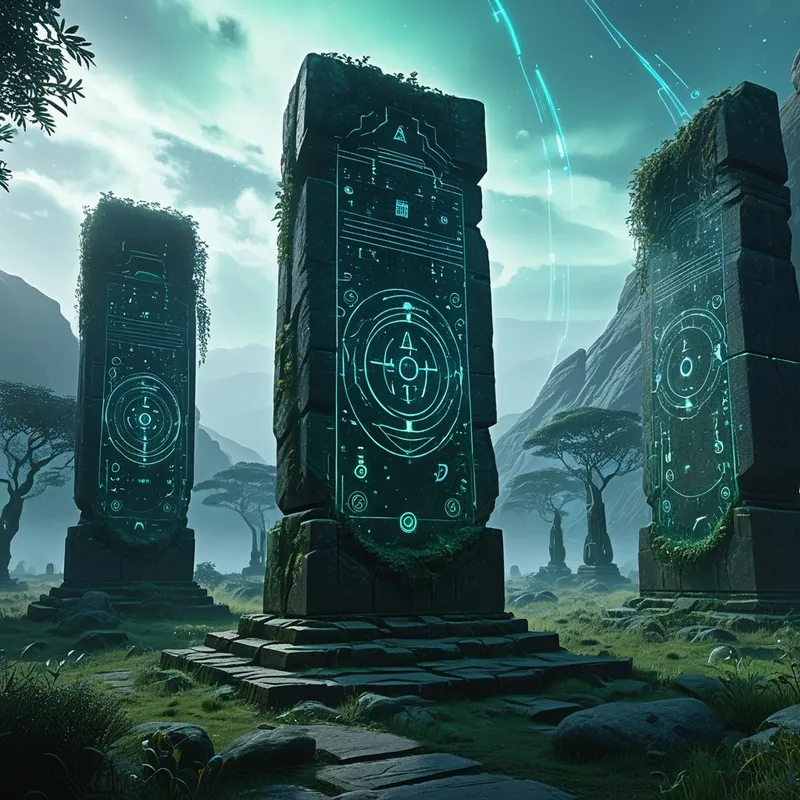
- Forgotten or Fragmentary Scripts: Inscriptions on walls, crumbling scrolls, pages of a book in an unknown language.
Archetypal Resonance
The most active archetype in this theme is The Orphan Archetype. This may seem counterintuitive, for the Orphan is often associated with feeling alone and unsupported. Yet, the dream of cultural symbolism arises from the Orphan’s deepest quest: to find its true family, its authentic belonging. The somatic echo is the Orphan’s longing—the hollow ache that senses a connection just beyond memory. The dream symbol is the clue, the fragment of a map leading home. This is not the Shadow Orphan’s victimhood, but the mature Orphan’s profound realism, undertaking the sober, often painful work of sifting through inherited narratives to discover where it truly belongs. Its alchemical potential lies in this honest excavation, transforming the grief of disconnection into the earned sovereignty of chosen affiliation.
The Alchemical Process
The alchemical vessel here is your own awareness, and the prima materia is the raw, often contradictory mass of your inherited cultural identity. The necessary heat is the friction of conscious examination—the discomfort of questioning sacred cows and honoring forgotten wounds alike. The pressure is the weight of responsibility you feel to both honor and transcend your lineage. The transmutation occurs through a process of sacred distillation. You must hold the complex mixture of pride, shame, beauty, and burden that your culture represents to you, and apply the gentle, persistent heat of non-judgmental attention. The impurities—blind loyalty, reactive rejection, unconscious bias—are burned away not as enemies, but as fuel. What remains in the crucible of the self is the quintessence: not the culture “out there,” but its purified, essential wisdom integrated into your unique being. The leaden weight of fate becomes the golden thread of meaning.
The Integration Protocol
Question 1: When you sit with the feeling of this dream symbol, what is the first, wordless emotion that arises? Is it warmth, dread, curiosity, shame, or awe? Follow that feeling without a story.
Question 2: If this symbol could speak with the voice of your most compassionate ancestor, what one sentence of guidance or warning would it whisper to you about your current life path?
Question 3: What is one cherished belief or behavior in your life that you realize is not truly yours, but an unconscious inheritance? What is one buried fragment of your lineage that you have consciously chosen to bring into the light?
Action 1 (Ancestral Anchor): Find a quiet moment and place both feet firmly on the floor. Imagine roots descending from your feet, not into the earth of your current location, but into the specific soil of a land your ancestors called home. Breathe into the sensation of being supported by that deep, historical ground, without needing to define it further. Hold this for three breaths.
Action 2 (Symbolic Re-Creation): Choose one object from your dream or from your waking life that carries cultural weight. Draw it, but do not draw it accurately. Distort it, fragment it, merge it with another symbol from your personal life (a favorite coffee mug, a pet, a modern logo). Let the drawing be a conversation between the inherited form and your personal touch.
Action 3 (Ritual of Selective Honor): Create a simple, private ritual. Light a candle. Name aloud one aspect of your cultural inheritance you are grateful for and choose to carry forward. Then, name one aspect you consciously acknowledge and choose to release, not with anger, but with respect, as you would lay down a heavy burden you no longer need to bear. Blow out the candle, signifying the completion of this act of conscious choice.
Final Validation
To dream in the language of cultural symbols is to feel the immense, sometimes terrifying, weight of history upon your singular soul. It is to be given a puzzle where the pieces are made from the joys and sorrows of people you never met. This work is not easy; it can feel like trying to breathe at the bottom of a deep, time-filled sea. But remember: the dream came to you. The symbol sought your consciousness. This is not an assignment to rebuild the past, but an invitation to become the conscious curator of your inheritance. You are the point where the river of lineage meets the ocean of your own becoming. You are not drowning in the depths; you are learning to speak the water’s ancient tongue, so you may navigate your present shores with profound, hard-won wisdom.