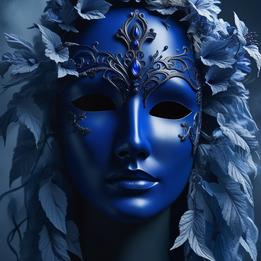
Phantom Mask
The Phantom Mask represents hidden identities, the duality of self, and the interplay of illusion and reality.
Phantom Mask Dream Meaning
The Phantom Mask represents hidden identities, the duality of self, and the interplay of illusion and reality.
Interpretive Themes
Mythological Resonance
Dionysus
GreekGod of theater and ecstasy, whose followers wore masks in rituals to transcend individual identity, exploring the duality of self and collective frenzy.
Noh Theater Masks
JapaneseCarved wooden masks used in classical drama to represent archetypal characters like gods or demons, where the actor's breath brings them to life, blurring performer and role.
Cultural Lenses
African Perspective
View Context →Traditionally used in rituals and ceremonies. Associated with tribal storytelling. [African Cultures] Symbols of cultural identity.
Modern Western Perspective
View Context →Widely featured in masquerades and festivities. Associated with expressions of creativity. [Pop Culture] Represent multifaceted identities.
Historical Authorities
Want a deeper analysis?
Get a personalized interpretation of your entire dream including this symbol.
Interpret My DreamThe Oracle's Prediction
Combine multiple symbolsA revelation about someone's true intentions or character will occur.
Timeframe
Immediate (Next 48h)
Intensity
Deep
An insight into your own multifaceted nature will dawn.
Timeframe
Lunation (~29 Days)
Intensity
Deep
Common Appearances & Contexts
| Context | Emotion | Interpretation |
|---|---|---|
| Context Wearing the mask while performing | Emotion Elation | Interpretation Indicates joy in expressing different aspects of oneself. |
| Context Face hidden behind the mask in a crowd | Emotion Isolation | Interpretation Represents feelings of disconnection from others. |
| Context Removing the mask to reveal another face | Emotion Shock | Interpretation Indicates discovery of deeper layers of self. |
Interpret Your Full Dream
Beyond this symbol, every dream carries a unique story. Share your dream for a personalized AI-powered interpretation.