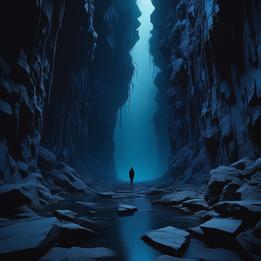
Otherworldly Chasm
A deep, mysterious void that signifies the unknown, fears, and the eternal journey of the soul.
Otherworldly Chasm Dream Meaning
A deep, mysterious void that signifies the unknown, fears, and the eternal journey of the soul.
Interpretive Themes
Mythological Resonance
Tartarus
GreekThe primordial abyss beneath the underworld, a void of chaos and punishment where Titans were imprisoned.
Ginnungagap
NorseThe primordial void that existed before creation, a yawning gap between fire and ice from which all life emerged.
Cultural Lenses
Middle Eastern Perspective
View Context →Dark, unexplored regions seen as gateways to the afterlife. Used in funerary practices and beliefs about the afterlife. [Ancient Egypt] Challenges perceptions of death and existential fears.
East Asian Perspective
View Context →Concepts of void and emptiness linked to enlightenment. Used in meditative and spiritual practices. [Asian Cultures] Facilitates self-examination of fears and desires.
Historical Authorities
Want a deeper analysis?
Get a personalized interpretation of your entire dream including this symbol.
Interpret My DreamThe Oracle's Prediction
Combine multiple symbolsA profound initiation or spiritual breakthrough awaits.
Timeframe
Seasonal (~3 Months)
Intensity
Deep
A period of existential confusion or disorientation may surface.
Timeframe
Lunation (~29 Days)
Intensity
Deep
Common Appearances & Contexts
| Context | Emotion | Interpretation |
|---|---|---|
| Context Standing on the edge of a chasm, peering into the void | Emotion Fear | Interpretation Represents confronting deep-seated anxieties. |
| Context Falling into an endless chasm | Emotion Anxiety | Interpretation Signifies losing control or feeling overwhelmed. |
| Context Exploring the depths of the chasm with courage | Emotion Wonder | Interpretation Indicates a willingness to confront the unknown. |
Interpret Your Full Dream
Beyond this symbol, every dream carries a unique story. Share your dream for a personalized AI-powered interpretation.